The cloud isn't a cloud. It's hundreds of fiber-optic cables buried under oceans and continents. It's millions of servers in data centers from California to Indonesia, humming through the night. It's the water pulled from local aquifers to cool those servers, the carbon pumped into the air, the communities displaced to make room for infrastructure we never see.
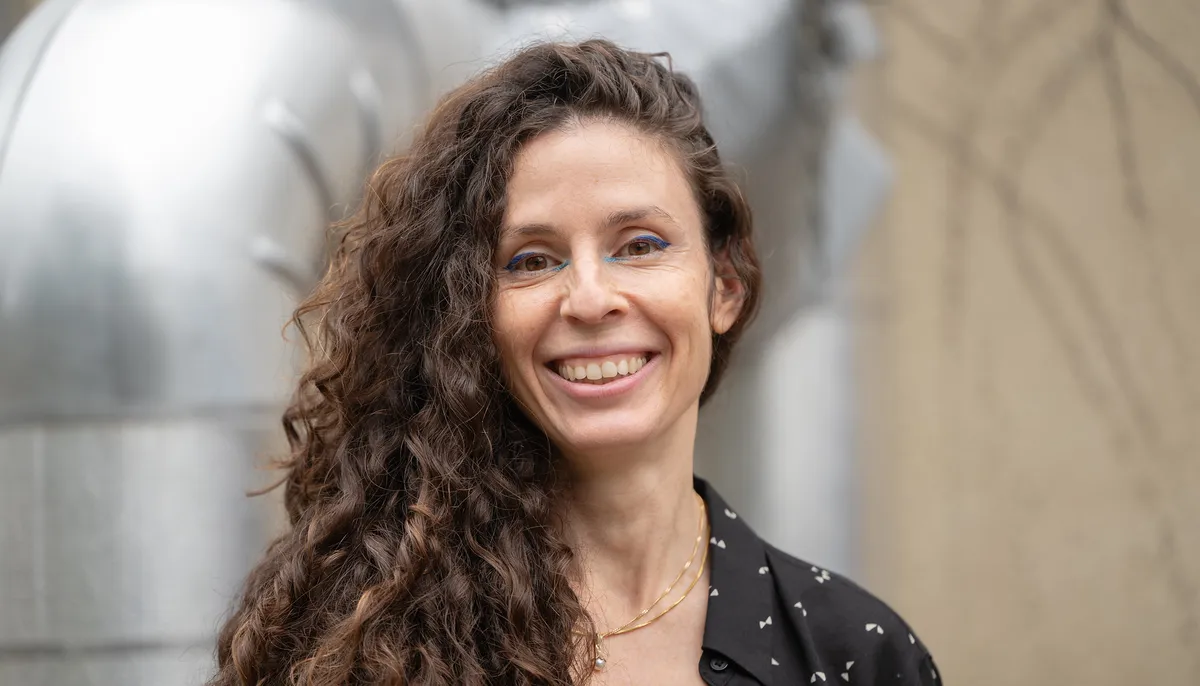
UC Berkeley associate professor Alex Saum-Pascual has spent years thinking about this gap — the one between the frictionless digital experience on your screen and the messy physical reality that makes it possible. In her forthcoming book Earthly Algorithms: A Materialist Reading of Digital Literature, she argues that digital tools, especially generative AI, are designed to hide this reality from us. They make us feel separate from nature, untethered, weightless. But we're not.
"There's something so perverse in digital technology," Saum-Pascual says. "The biggest thing humans have ever made — the internet — is the most hidden."
We're a new kind of news feed.
Regular news is designed to drain you. We're a non-profit built to restore you. Every story we publish is scored for impact, progress, and hope.
Start Your News DetoxWhat We Don't See
When you ask an AI chatbot a question or stream a movie, you're triggering a cascade of physical events: electricity flowing through undersea cables, cooling systems working overtime, rare earth minerals being extracted somewhere far away. The software may feel ephemeral, but the infrastructure is brutally material.
Different data centers operate under different rules. Some companies prioritize renewable energy; others don't. Some regions have strict labor standards; others have far fewer protections. This patchwork of policies and practices stays invisible to users, hidden behind the seamless interface.
The explosion of AI has made this problem more urgent. Training a single large language model can consume as much electricity as a small country uses in a year. And because AI tools promise efficiency and convenience, they trigger what economists call the Jevons Paradox: the more efficient a technology becomes, the more we use it, and the more resources it consumes overall. Meanwhile, the everyday digital activities we barely think about — streaming, email, social media — continue their steady drain on water and energy.
Making the Invisible Visible
Saum-Pascual believes artists and humanists have a role to play here. Not by lecturing people about carbon footprints, but by using art to make the familiar feel strange again. In her own digital poetry, she forces readers to confront the material cost of engaging with her work. One piece, "Resistance to," requires you to download it, to actively pull it onto your own computer, to navigate its screens. In doing so, you're consuming energy, using resources, becoming complicit in the very infrastructure she's asking you to think about.
In her courses, she doesn't teach students to master AI or code. She teaches them to ask questions: Where did this tool come from? Who benefits from it? What does it cost, and who pays that cost? She describes digital technology as a "pharmakon" — a Greek word for something that can heal or poison depending on the dose. The point isn't to reject these tools, but to use them with eyes open.
As AI becomes more woven into daily life — in schools, workplaces, homes — this kind of critical thinking feels less like academic navel-gazing and more like essential literacy. The infrastructure isn't going anywhere. But maybe, if enough of us see it, we'll start demanding it be built differently.