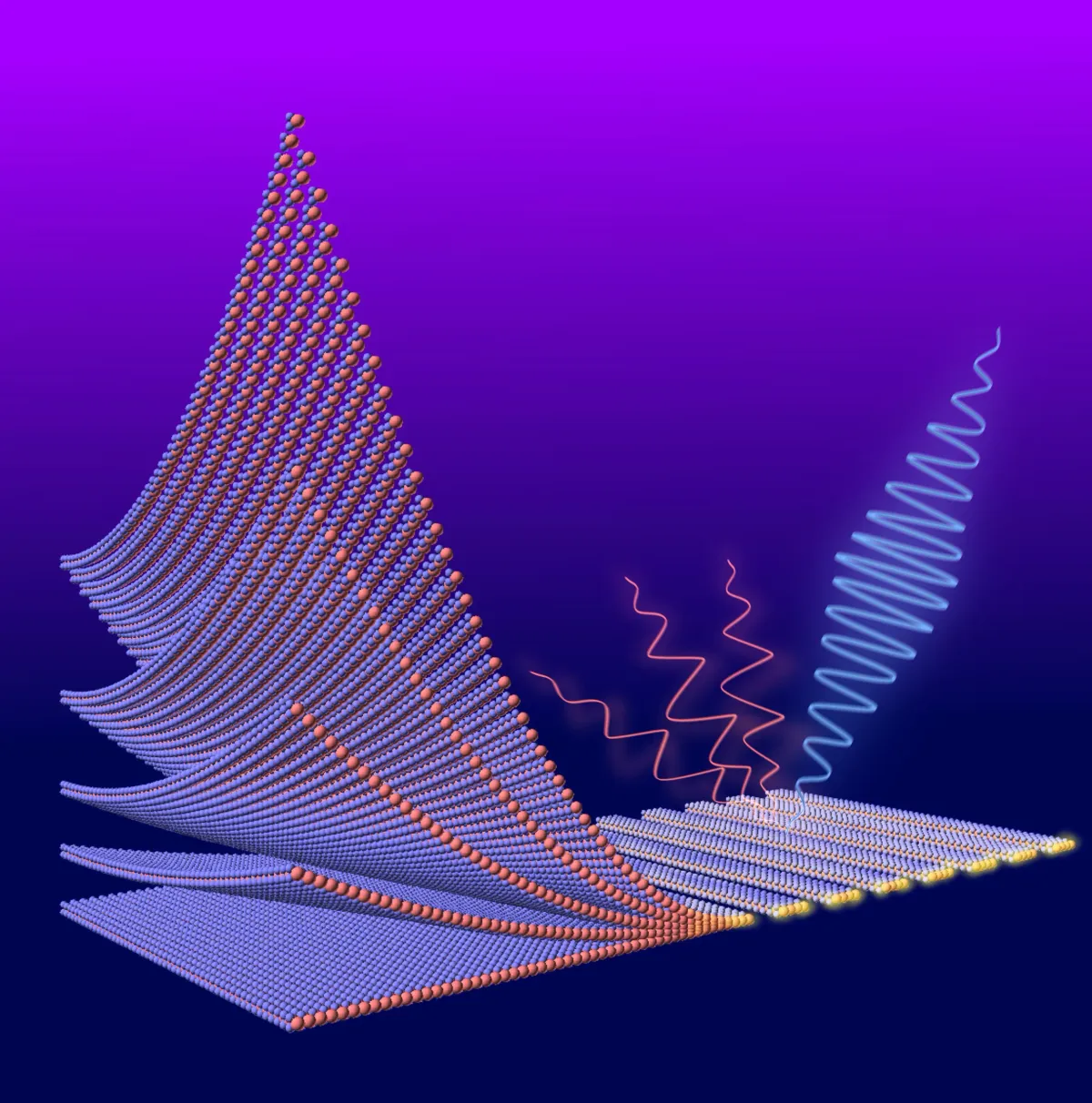
Imagine tiny particles that tick like a clock, moving back and forth in a perfect rhythm. These are called time crystals, and for about ten years, scientists have known they're real. Now, a team at New York University just made a new one that does something truly wild: it seems to break one of the most basic rules of physics.
Newton's Third Law says every action has an equal and opposite reaction. Think of pushing a wall — the wall pushes back. But these new time crystals? They don't play by those rules.
Floating on Sound Waves
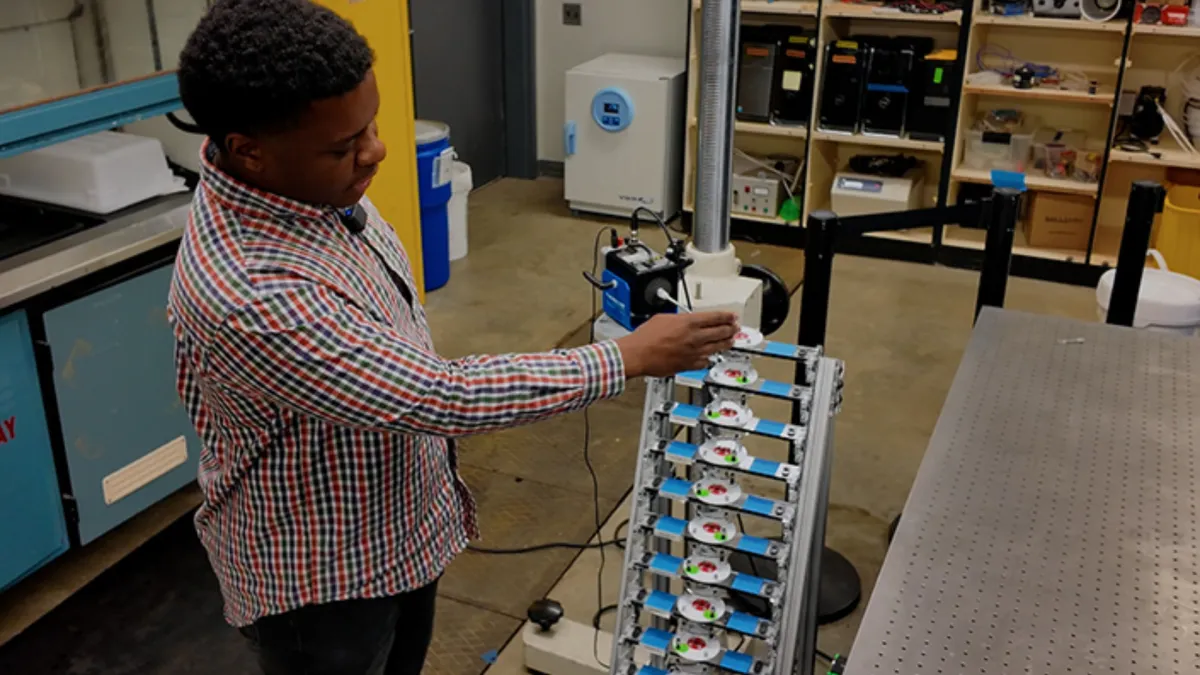
Here's the setup: Physicists floated tiny styrofoam beads, like the ones in packing peanuts, on sound waves. This "acoustic levitator" keeps them hovering in mid-air. When these floating beads interact, they swap sound waves. But here's the kicker: a bigger bead pushes a smaller bead harder than the smaller bead pushes back. It's like two ferries of different sizes hitting each other with waves; the bigger one has more sway.
We're a new kind of news feed.
Regular news is designed to drain you. We're a non-profit built to restore you. Every story we publish is scored for impact, progress, and hope.
Start Your News DetoxThis uneven push means their interactions aren't balanced. It's a nonreciprocal interaction, and it lets the beads start oscillating on their own, creating that steady, ticking rhythm of a time crystal. That's a huge deal because it challenges what we thought we knew about how forces work.
What's even cooler is that this isn't some invisible quantum weirdness. This system is about a foot tall, something you can hold, and you can actually see it working with your own eyes. Professor David Grier, who led the research, said that while time crystals sound complicated, their setup is "remarkably simple."
This breakthrough, published in Physical Review Letters, isn't just a parlor trick. It could help us understand all sorts of natural timing systems, like how our bodies' circadian rhythms work, or even how our cells break down food. It hints at new ways to build future tech, from quantum computers to advanced data storage, all by bending the rules of the universe just a little bit.