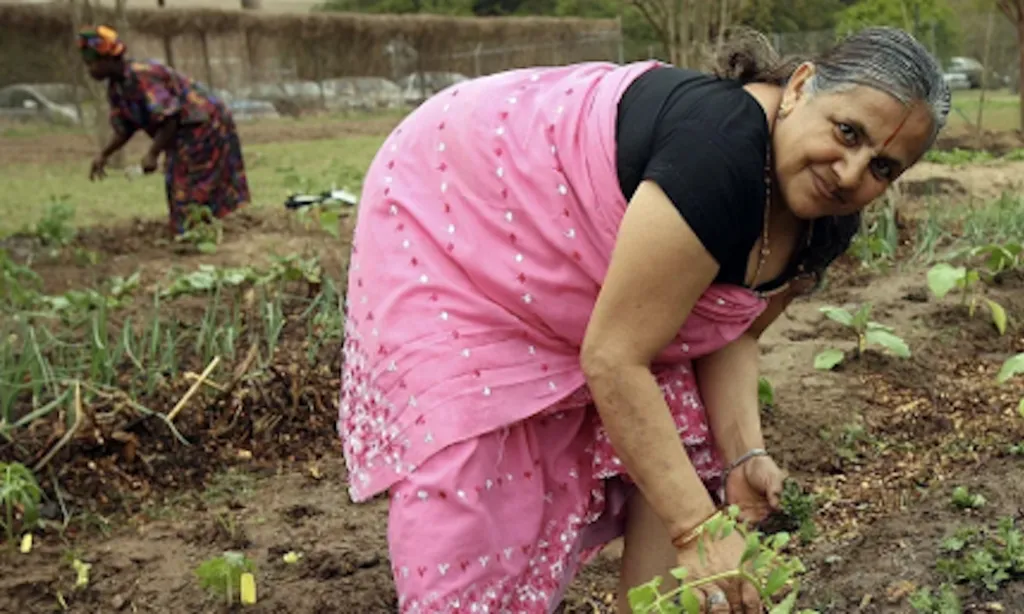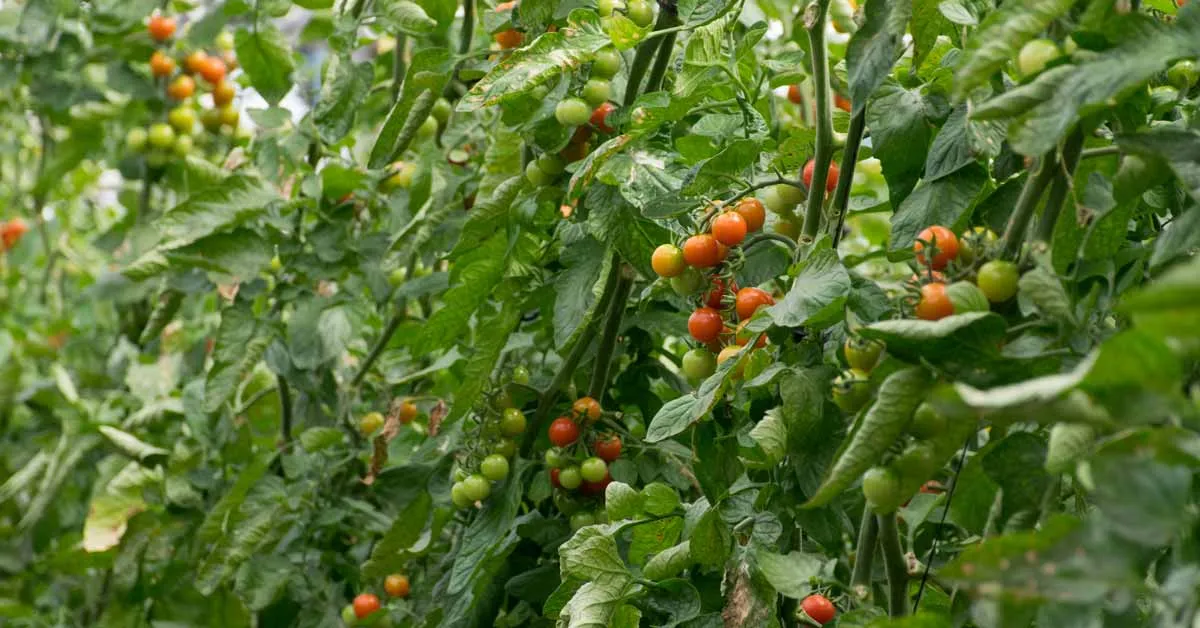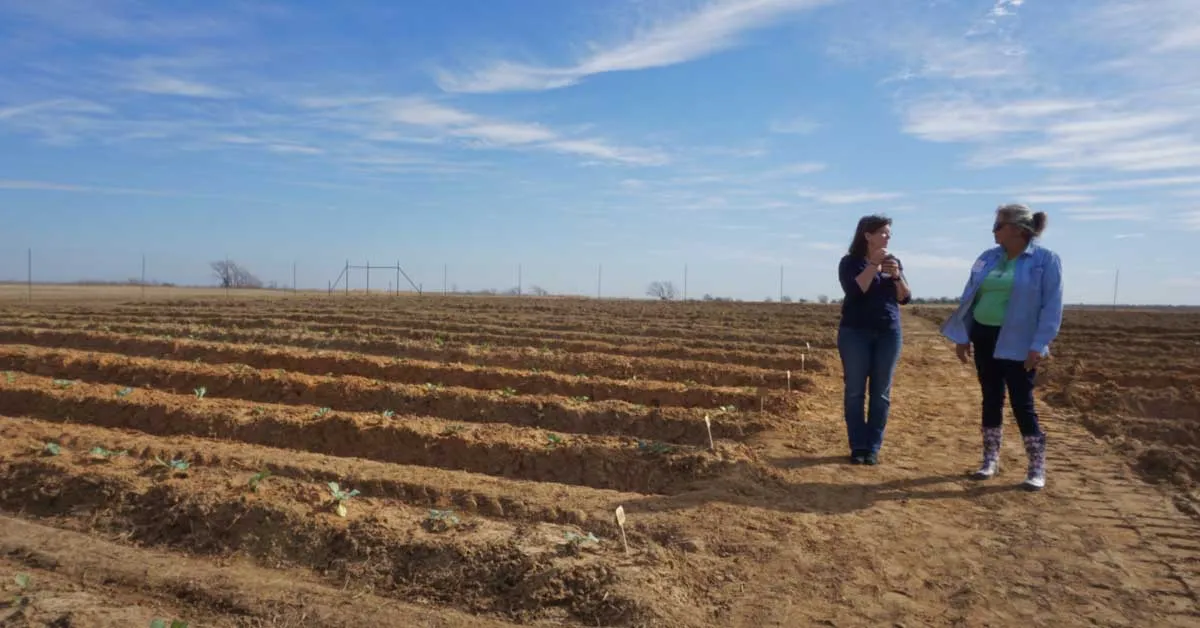
Sixty miles east of Waco, in a town called Jewett, something unexpected is growing from the ground that once fueled a power plant. The NRG Dewey Prairie Garden sits on what used to be part of a coal mine — 35,000 acres of it, some still stretching into town. Since it started harvesting in April 2022, the garden has pulled 10,000 pounds of vegetables from soil that spent years being excavated.
Jewett is what the USDA and Feeding America officially call a food desert. Many residents live over 10 miles from the nearest grocery store. Food insecurity here runs 51% higher than the national average — the kind of statistic that usually stays a statistic, not something that changes.
But this garden is changing it. Managed by the nonprofit Texan by Nature, it supplies fresh produce to six food pantries serving an estimated 3,000 people every year. No transaction required. Just people from the community coming to pick what's been grown.
We're a new kind of news feed.
Regular news is designed to drain you. We're a non-profit built to restore you. Every story we publish is scored for impact, progress, and hope.
Start Your News Detox"You wouldn't think that this could happen," Debbie Glaze, one of the lead gardeners, told The Texas Tribune. "I think it's amazing that the ground is actually growing all these vegetables after all that mine digging."
What makes this matter beyond the pounds of tomatoes and squash is where those vegetables land. Most clients at the local food pantries can't regularly afford fresh produce — the cost alone puts it out of reach. In Leon, Limestone, and Freestone Counties, obesity and diabetes rates are among the highest in Texas. Fresh vegetables aren't a luxury here. They're a gap in what people can actually access.
Kathleen Buchanan, who works at The Lord's Pantry of Leon County, described the garden simply: "a true blessing for all of us." Kristy Vandegriff, from Leon Community Food Pantry, pointed to the broader shift: "Being able to offer fresh fruits and vegetables on a regular basis will help our clients make choices for better health."
The garden is expanding by another nine acres. That means more harvest, more pantries stocked, more families in a three-county area with the choice that food security actually provides.
It's a particular kind of progress — not a technology or a policy, but land given a second life, and a community finally able to grow what it needs.