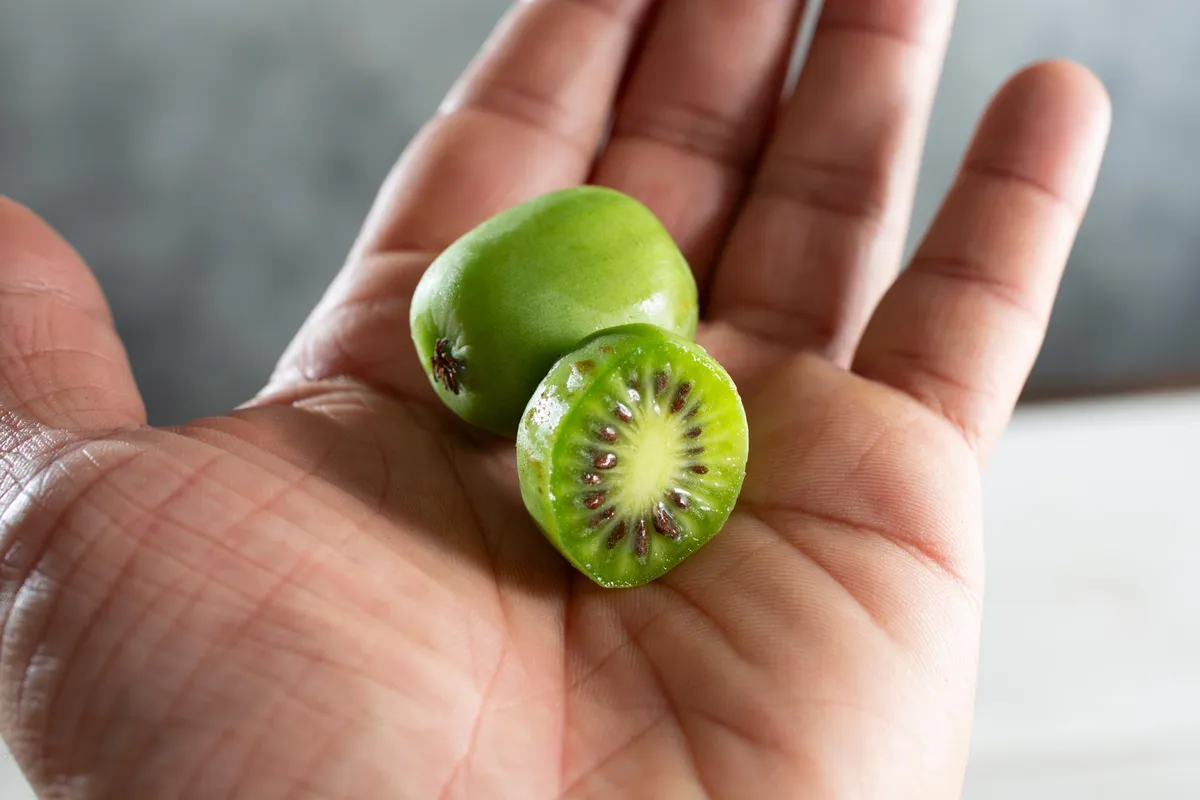
A small fruit from Japan, called "Sarunashi" (Actinidia arguta), is getting attention from scientists. This fruit, also known as kiwiberry, might help stop lung cancer from starting.
Lung cancer is the top cause of cancer deaths worldwide. Smoking is the main risk factor. Scientists are looking for ways to block cancer in its earliest stages, before tumors can grow.
Sarunashi Juice Fights Lung Tumors
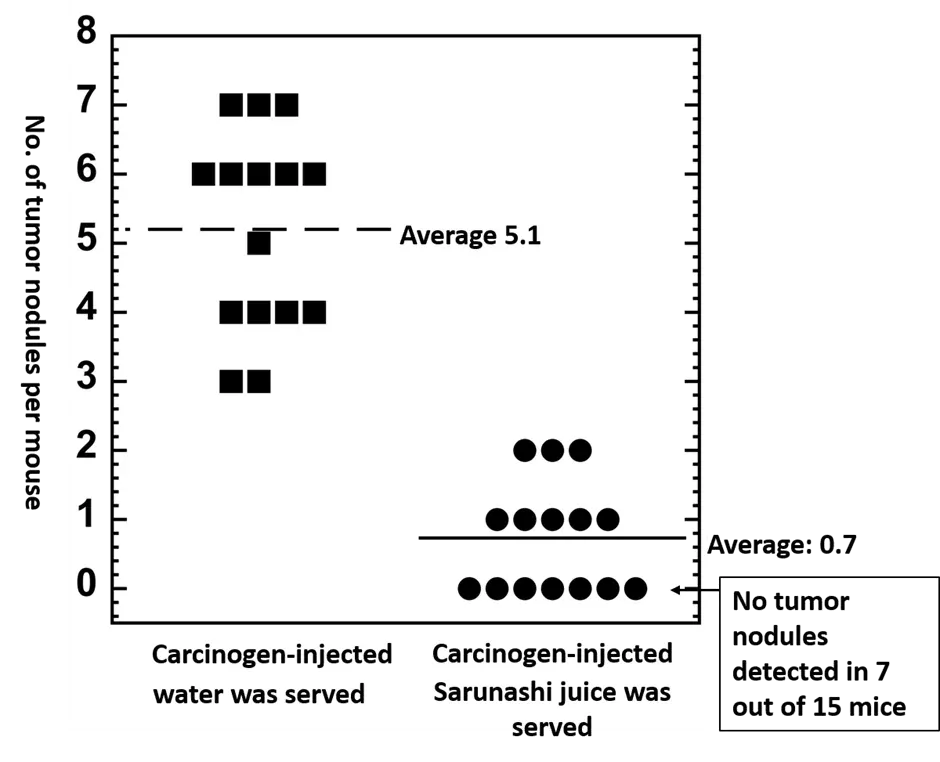
Researchers at Okayama University studied Sarunashi. They found that its juice reduced lung tumor growth in mice. These mice were exposed to NNK, a chemical found in tobacco that causes cancer.
We're a new kind of news feed.
Regular news is designed to drain you. We're a non-profit built to restore you. Every story we publish is scored for impact, progress, and hope.
Start Your News DetoxThe juice also lowered the number of tumor spots in the lungs. A compound in the fruit, isoquercetin (isoQ), also showed protective effects.
In lab tests, the juice stopped a protein called "Akt." This protein helps cancer grow. These findings suggest the fruit could interfere with both the start of cancer and the signals that help tumors keep growing.
Protecting DNA and Preventing Mutations
The research also showed that Sarunashi juice reduced DNA damage from NNK and MNNG. These chemicals are known to cause mutations and are used in cancer research.
However, this protection didn't work in mice that lacked important DNA repair enzymes. This suggests the juice might help cells fix genetic damage, rather than just shielding them from it.
Dr. Arimoto-Kobayashi explained that the study looked at how A. arguta juice and isoQ prevent lung tumors caused by NNK in mice. They also wanted to understand how the fruit works against tumors.
In another study, the team tested a tea made from the leaves and twigs of A. arguta. This tea also showed anti-mutation effects against several known mutagens. The tea seemed less potent than the juice, but it suggests both might use similar protective chemicals.
Broader Cancer Prevention Potential
The team also looked at colorectal cancer models. Mice treated with DMH, a chemical that causes pre-cancerous changes in the colon, showed fewer abnormal crypt foci (ACF) when given Sarunashi tea. ACF are early signs of colorectal tumor development.
The total ACF count in tea-treated mice dropped to 60.5% of the level seen in mice that only received DMH. Smaller ACF lesions also decreased significantly.
No colon tumors appeared during the study. However, the reduction in these early lesions suggests the plant might help prevent other types of cancer too.
Professor Katsuyuki Kiura, a co-author, noted that Sarunashi juice and isoQ reduced lung tumor growth caused by NNK. He said the juice targets both the start and progression of cancer. It does this by preventing mutations, helping repair DNA, and stopping Akt-mediated growth signals. IsoQ might contribute to these effects by stopping Akt, but it might not be the main active ingredient.
These findings show that giving Sarunashi juice to mice reduced lung tumor development. While human clinical trials are still needed, the compounds in Sarunashi, including isoQ, look promising for cancer prevention.
Deep Dive & References
Chemopreventive effects and anti-tumorigenic mechanisms of Actinidia arguta, known as sarunashi in Japan toward 4-(methylnitrosamino)-1-(3-pyridyl)-1-butanone (NNK)- induced lung tumorigenesis in a/J mouse - Genes and Environment, 2022
Antimutagenic effects of a tea made from Actinidia arguta, sarunashi in Japanese, and its inhibitory effects on the formation of aberrant crypt foci induced by 1,2-dimethylhydrazine in mice - Genes and Environment, 2025