When you take a deep breath, your chest rises. When you breathe out, it falls. This way of breathing is common in many modern animals, including mammals, reptiles, and birds. Now, scientists have found its earliest known example.
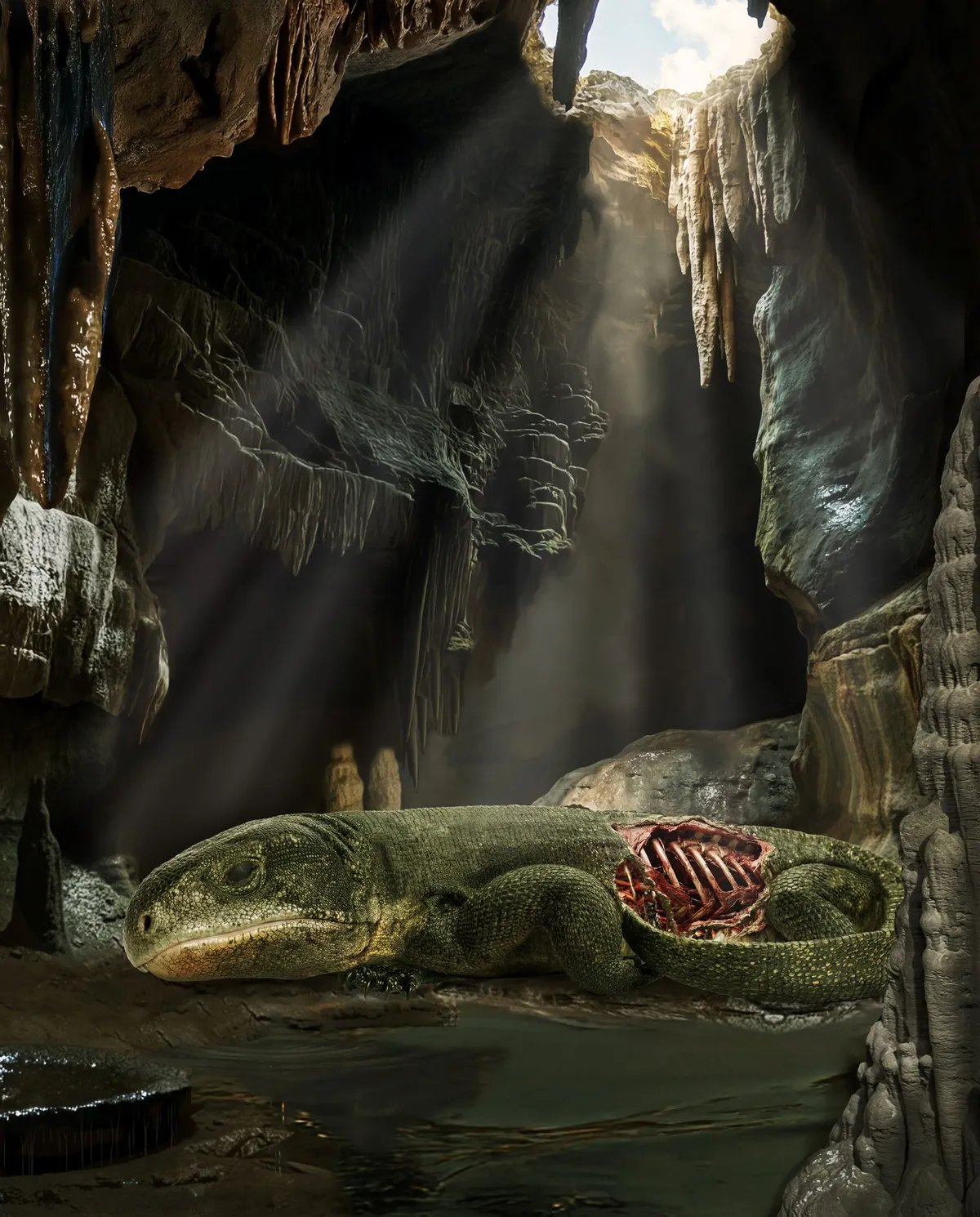
Researchers have identified this breathing system in a 286 to 289-million-year-old mummified reptile called Captorhinus aguti. This discovery offers new insights into how land animals adapted to life on Earth.
Ancient Breathing Breakthrough
About 300 million years ago, reptiles moved from living in water to living entirely on land. Their ancestors, like many amphibians today, breathed through their skin. They also pushed air into their lungs by moving their mouths or throats.
We're a new kind of news feed.
Regular news is designed to drain you. We're a non-profit built to restore you. Every story we publish is scored for impact, progress, and hope.
Start Your News DetoxThis older breathing style wasn't ideal for the more active lives of early land animals, known as amniotes. Developing a new system that used muscles between the ribs to pump air, like bellows, was a major step forward. This system is what mammals, reptiles, and birds use today.
Ethan Mooney, a vertebrate paleontologist, noted that the mummified Captorhinus is one of the most important early amniote fossils. It provides a unique look into the lives and evolution of the first reptiles.
Uncovering the Past
Mooney and his team studied three Captorhinus specimens found in caves in Oklahoma. This site is famous for its fossils from the Permian period. The fossils were incredibly well-preserved by mineral-rich water and crude oil. This preserved not only bones but also skin and cartilage, which usually decay.
The team used a special imaging technique with neutron beams to examine the fragile fossils. This allowed them to create 3D models of the ancient reptiles' body parts. Mooney described seeing thin, textured structures wrapped around the bones. He found a "nice wrapping of skin around the torso of this animal," with a "wonderful accordion-like texture."
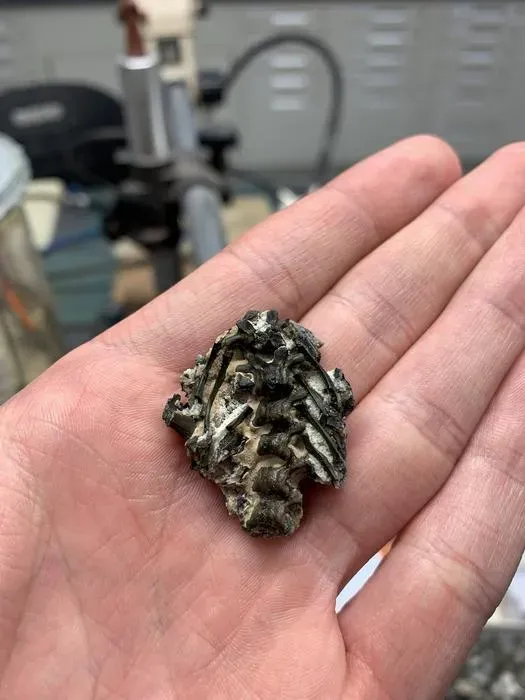
Two of the Captorhinus specimens helped researchers reconstruct the creature's skeleton. They learned how the rib cage, backbone, and shoulders connected. This allowed them to understand how the animal's chest and neck worked for breathing.
Robert Reisz, a study co-author, explained that once the rib cage could move with muscles, inhalation became possible. This was a critical step in evolution. This more powerful breathing method likely helped amniotes develop many different head shapes. This led to the diversity seen in dinosaurs, living reptiles, and mammals.
Elizabeth Brainerd, a biologist not involved in the study, highlighted that these fossils offer a complete picture of this flexible breathing system. It is very similar to what we see in modern lizards.
Deep Dive & References
The oldest million-year-old mummy reveals the origins of breathing in amniotes - Nature, 2026