Ever wonder what keeps you strong as you age? Scientists just found a surprising answer: a little-known part of your brain called the caudate nucleus. It seems to be key to maintaining physical strength, even into your later years.
Researchers at the University of California, Riverside, put older adults into an MRI machine. They watched their brains light up as they squeezed a device as hard as they could. This simple grip test is actually a super-reliable way to tell how resilient someone is and if they might become frail down the road.
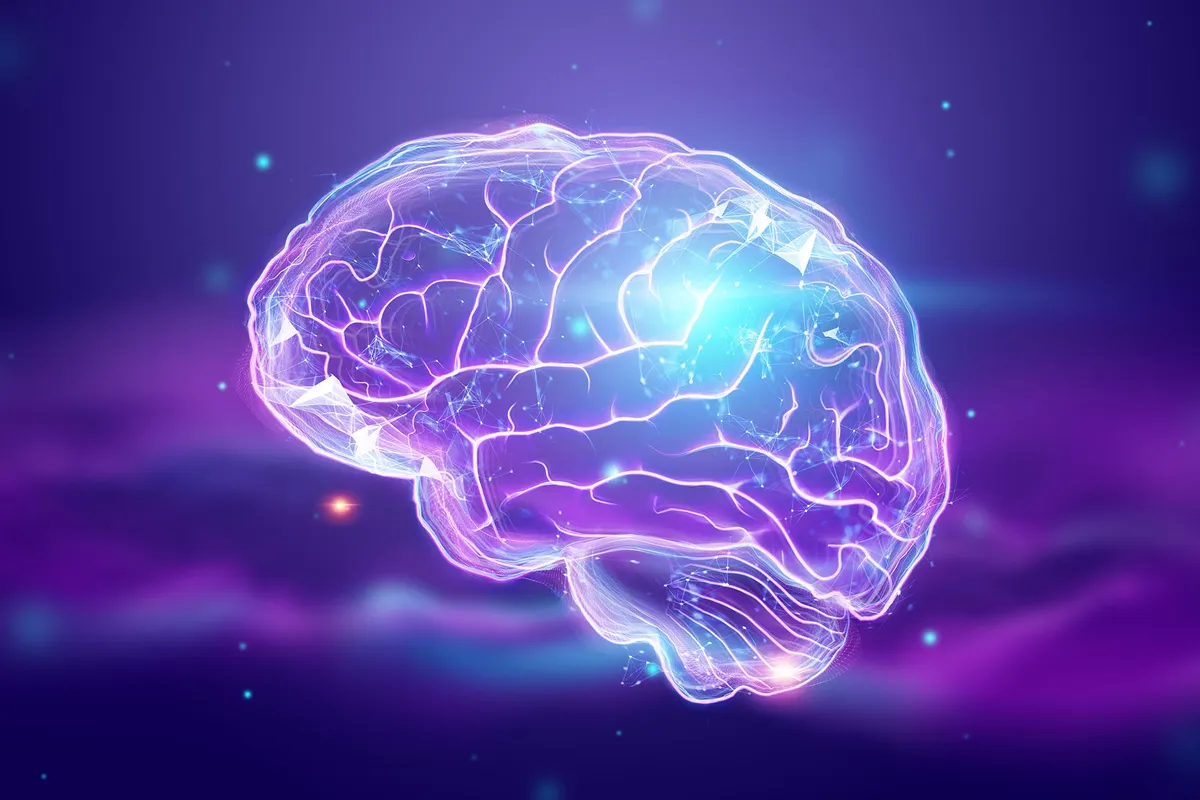
Xiaoping Hu, a bioengineering professor on the team, explained it perfectly: grip strength isn't just about your muscles. It's a snapshot of how well your brain and body are still working together. And that's where the caudate nucleus comes in.
We're a new kind of news feed.
Regular news is designed to drain you. We're a non-profit built to restore you. Every story we publish is scored for impact, progress, and hope.
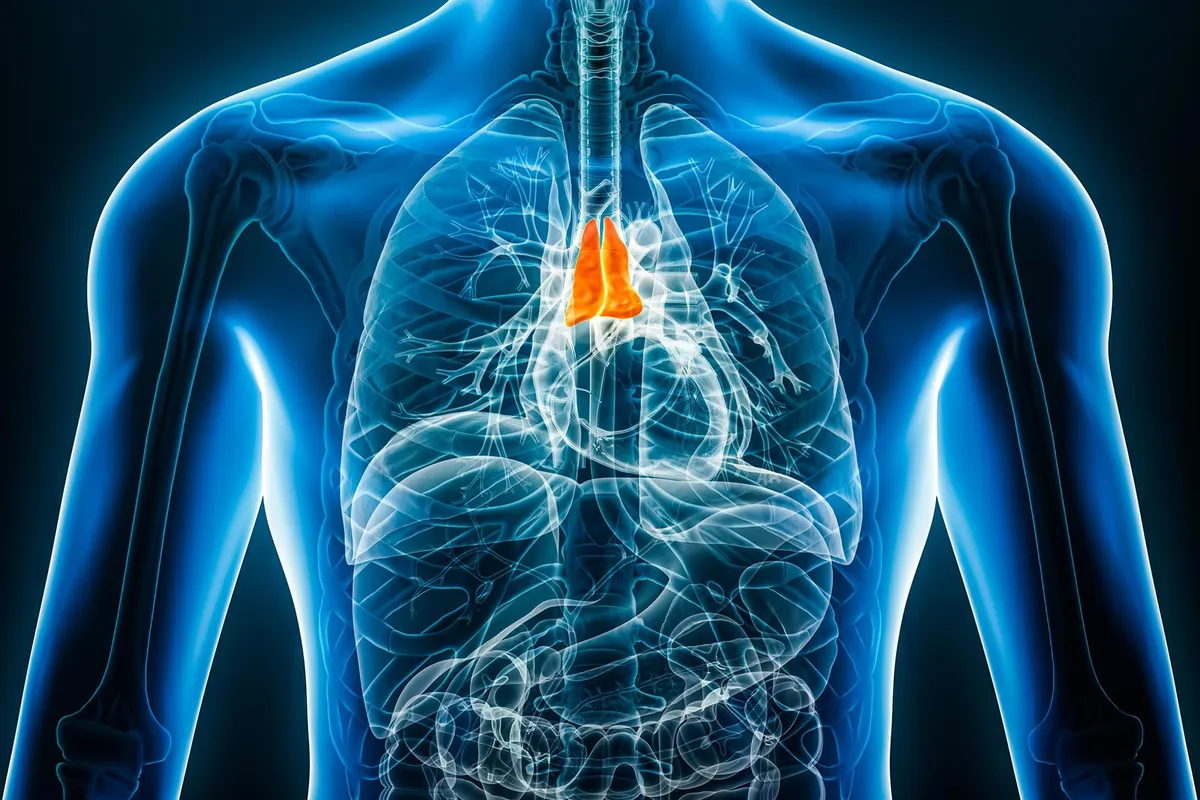
Start Your News DetoxThis deep brain structure is known for helping with movement and making decisions. But its strong link to physical strength? That's a new one. The team found that activity in the caudate nucleus was the best predictor of how strong someone's grip was.
Think of it like this: Amin Ghaffari, a doctoral researcher, said they mapped all the "phone lines" in the brain. They wanted to see which connections were strongest when someone squeezed. The caudate nucleus network showed one of the clearest signals.
A Closer Look at the Brain-Strength Link
The study included 60 adults from the Riverside area. Each person had three MRI sessions while doing those strength tests. They even adjusted the data for things like muscle mass, so they could focus purely on what the brain was doing.
What they saw was clear: more blood flow and stronger connections in the caudate nucleus meant greater grip strength. This was true for both men and women. While other brain areas (like those for memory and attention) also played a role, the caudate nucleus was the star.
This is a big deal because earlier studies usually just looked at brain structure or what the brain did at rest. This team actually watched the brain working during a physical effort. It’s like getting a live feed instead of just a static picture.
Hu thinks this could help doctors spot frailty much earlier. Imagine identifying brain patterns before someone even starts to lose strength. That's seriously cool.
Why This Matters for Your Future
Frailty isn't just about losing muscle. It's a wider decline in how your body, mind, and emotions handle things. And grip strength is a simple, effective way to check for it. By linking it to specific brain networks, these scientists are opening up new doors.
They hope to create new ways to diagnose frailty and even find targets for treatments. Just like you hit the gym to strengthen your muscles, Ghaffari suggests we might find ways to strengthen these specific brain connections too. That's a pretty wild thought.
This research is just the beginning, but it offers a fresh perspective. It shows us that aging isn't just one thing happening all at once. It's a process, and understanding these brain links could help us reduce some of its tougher effects down the line.