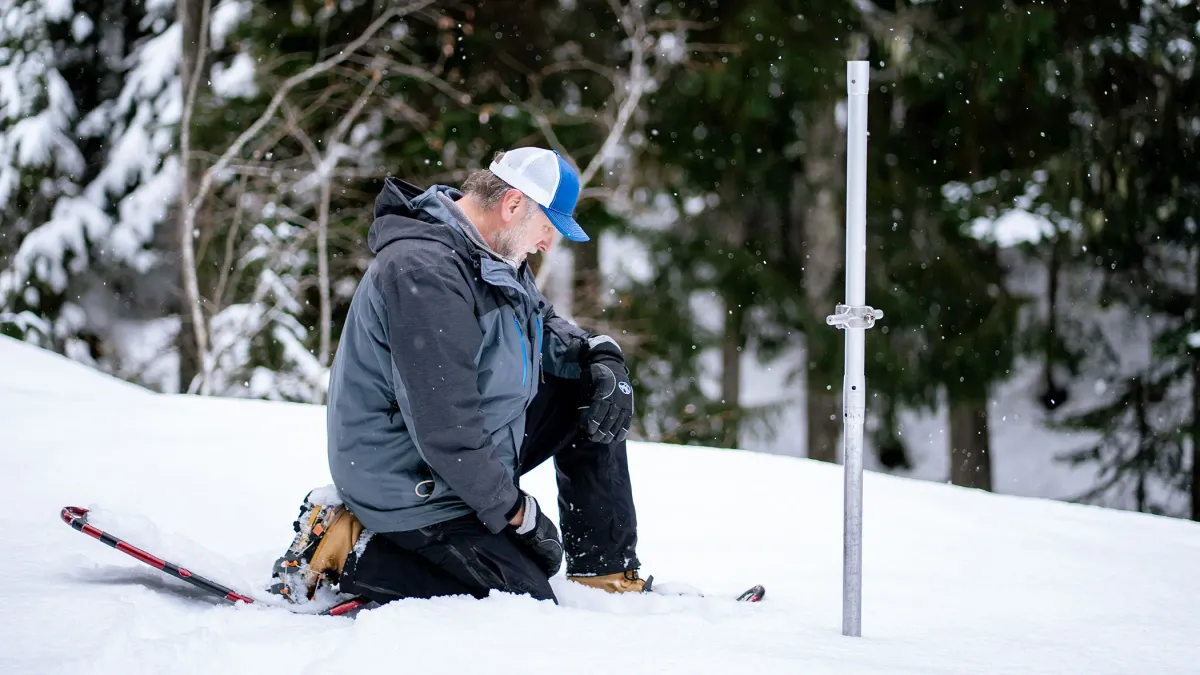
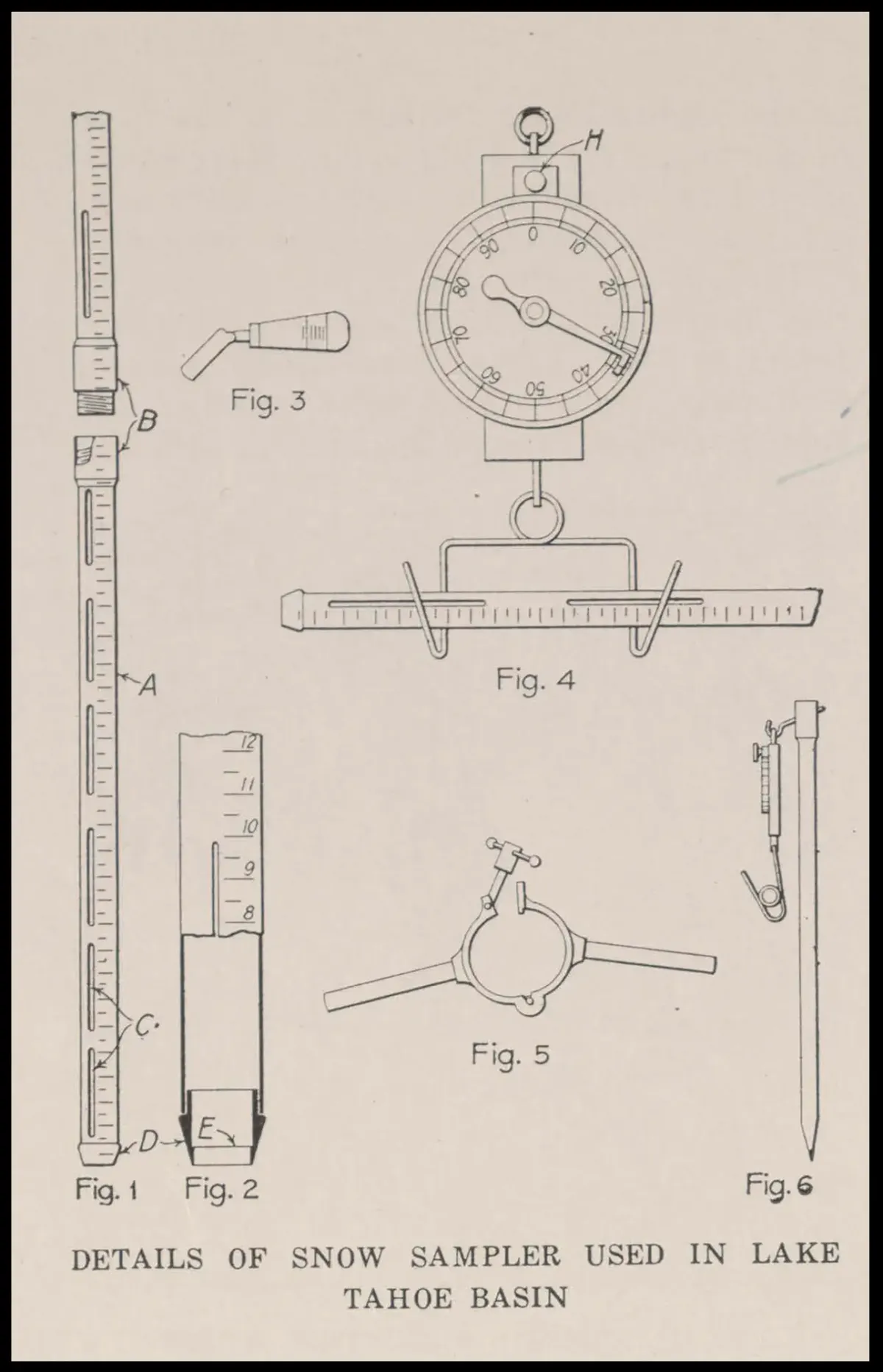
On a freezing February morning in Washington's Cascade mountains, hydrologist Toby Rodgers strapped on snowshoes. His mission? To jab a long aluminum tube into the snow, pull out a core, and weigh it. Because apparently, that's how you predict the future.
Specifically, the future of water. That simple measurement tells Rodgers how much water will flow into rivers, lakes, and reservoirs when all that snow decides to melt come summer. It’s a low-tech crystal ball for the West’s most precious resource.
The Original Snow-Whisperer
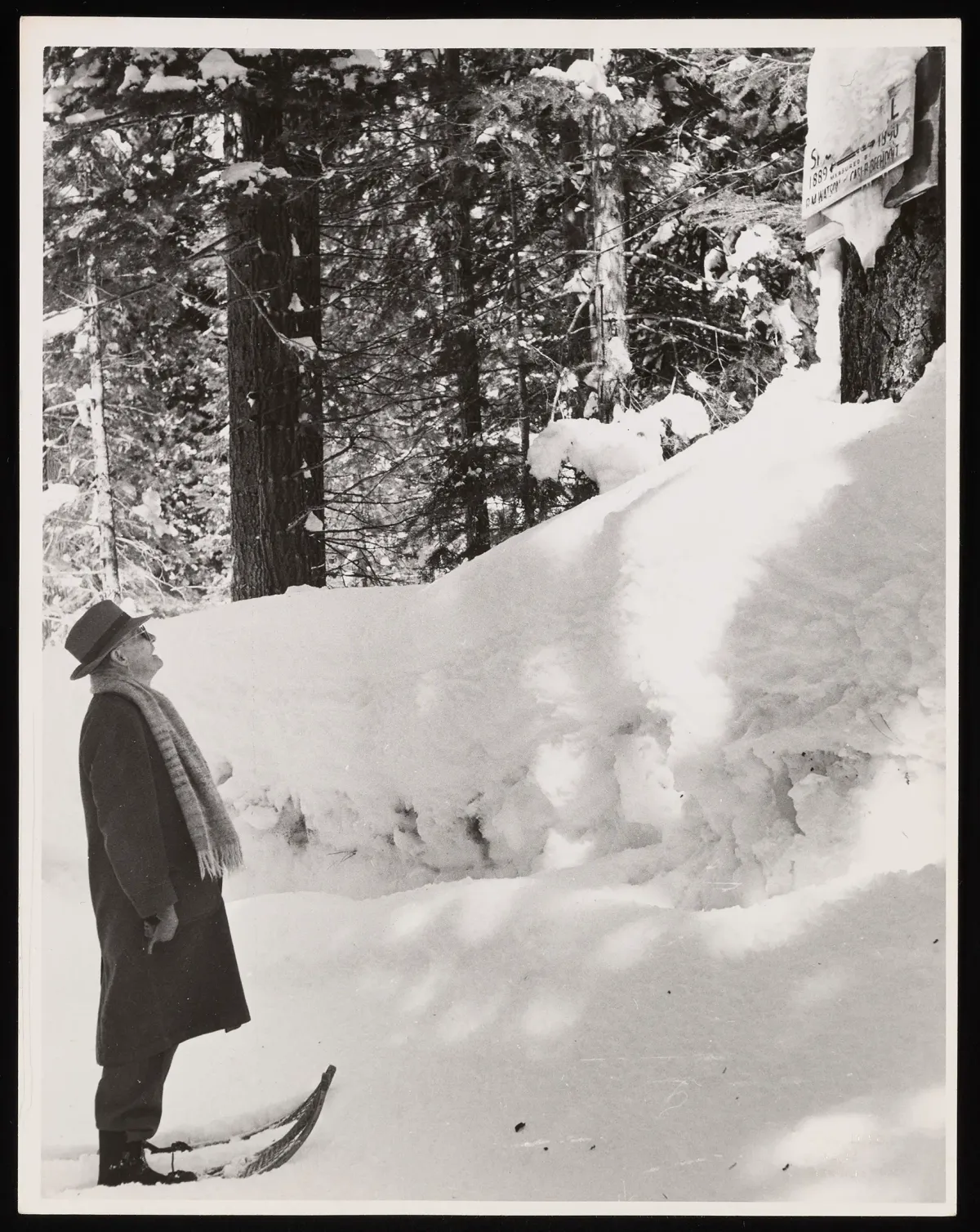
The tube, rather grandly named the Church Sampler, is a century-old innovation from James Church — the undisputed godfather of snow science. Back in the early 1900s, Church was a classics professor in Reno, Nevada, who just really liked hiking the Sierra Nevada mountains in winter. He also noticed Reno, like much of the burgeoning West, had a serious water problem. Farms and industries were growing, but the water supply was a fixed, melting asset.
We're a new kind of news feed.
Regular news is designed to drain you. We're a non-profit built to restore you. Every story we publish is scored for impact, progress, and hope.
Start Your News DetoxChurch had an epiphany: measure the winter snow, predict the summer water. Simple, right? He developed his tube, originally the Mount Rose Sampler, to do just that. You plunge it in, pull out a snow core (scraping out any dirt, naturally), and weigh the whole thing. The weight of the snow directly translates to the weight of the water it will become. Let that satisfying number sink in.
Rodgers still uses it: "You plop a tube through the snow, pull out a core. You weigh the amount of snow in it, and from that weight, you get inches of water sitting on the ground in your snowpack." Church’s method was so effective, it spread across California and then throughout the entire Western U.S. Because when your life depends on water, you stick with what works, even if it looks like a glorified cookie cutter for snow.
When the Snow Just Doesn't Show Up
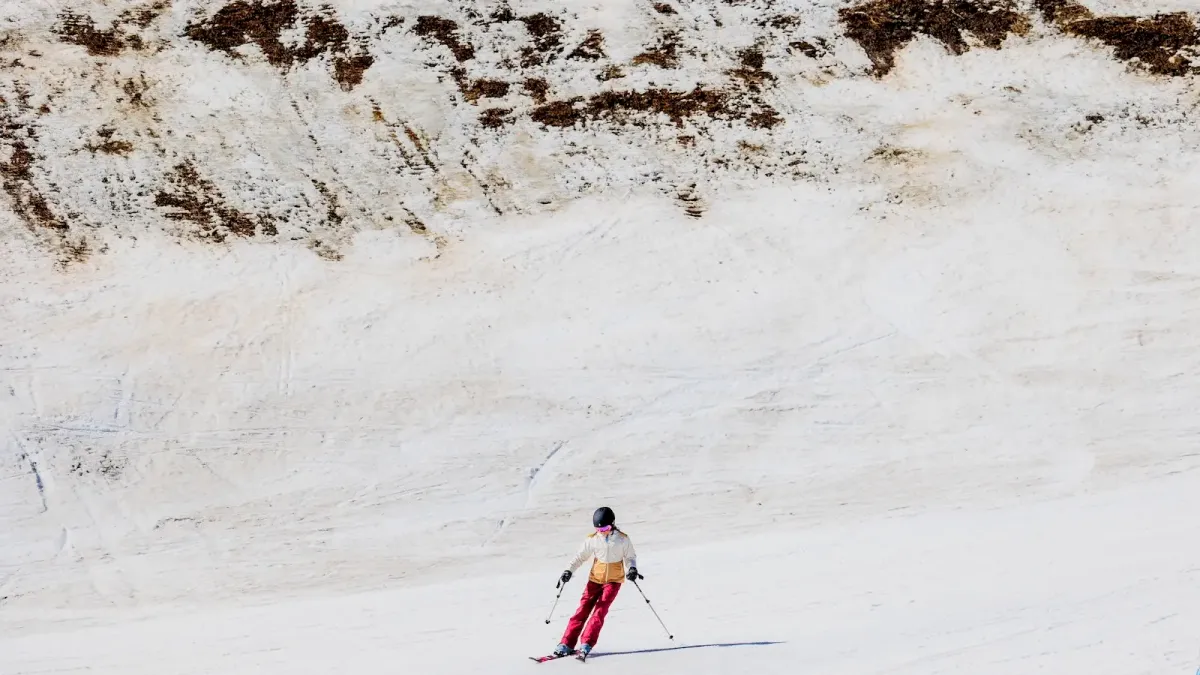
Today, the Church Sampler is more vital than ever. Climate change has made snow prediction a lot less predictable. Warmer winters mean some century-old sampling sites just don't get snow anymore. Rodgers notes the old courses "used to get more consistent snowpack. When we measure it now, we don’t know for sure what we’re going to find on the ground when we get there."
Big winter storms that once brought snow now often bring rain. Near Rodgers' site at Stevens Pass, Washington, a deluge of rain caused a massive flood, shutting down a highway for months. Great for the immediate water table, terrible for summer reservoirs. Less snow means less water when it’s most desperately needed – a phenomenon now grimly known as a “snow drought.”
This past April 1st (a key date for snowpack estimates), parts of California and the Southwest were sitting at a measly 17% of their typical early spring snow. Which means, yes, they’re already bracing for droughts and wildfires. A 2021 review in Nature projects the West could lose a quarter of its historical mountain snow in the next 25 years. Because, of course, it could.
So, while the future of snow is looking a little… thinner, the humble Church Sampler continues to give us the hard numbers we need. It’s a low-tech hero in a high-stakes climate, helping communities make slightly less terrible decisions in the face of increasingly terrible odds.