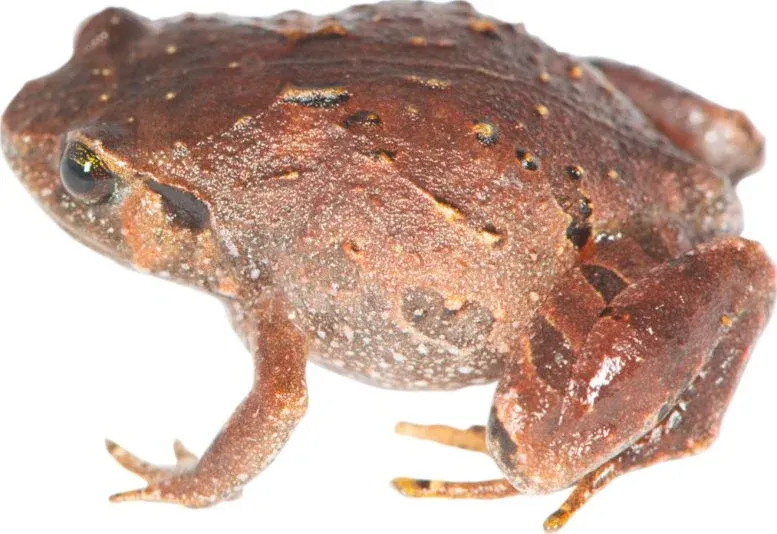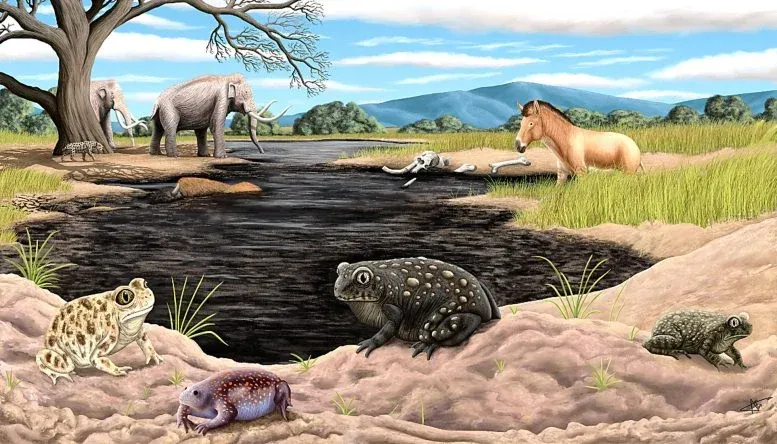
A tiny fossil, overlooked for decades at the La Brea Tar Pits, has been identified as a new species. This discovery reveals Spea labreae, an extinct spadefoot toad. It is the first new extinct amphibian species found from Ice Age Los Angeles.
Only one other extinct amphibian from the Pleistocene era has been found in North America. That makes this find very rare. It offers new insights into the climate and environment of prehistoric Southern California.
Uncovering a Hidden Species
The fossil that led to S. labreae is not a full skeleton. It's an incomplete sacro-urostyle, a bone at the base of a frog's or toad's spine. This specimen was first collected in the 1950s.
We're a new kind of news feed.
Regular news is designed to drain you. We're a non-profit built to restore you. Every story we publish is scored for impact, progress, and hope.
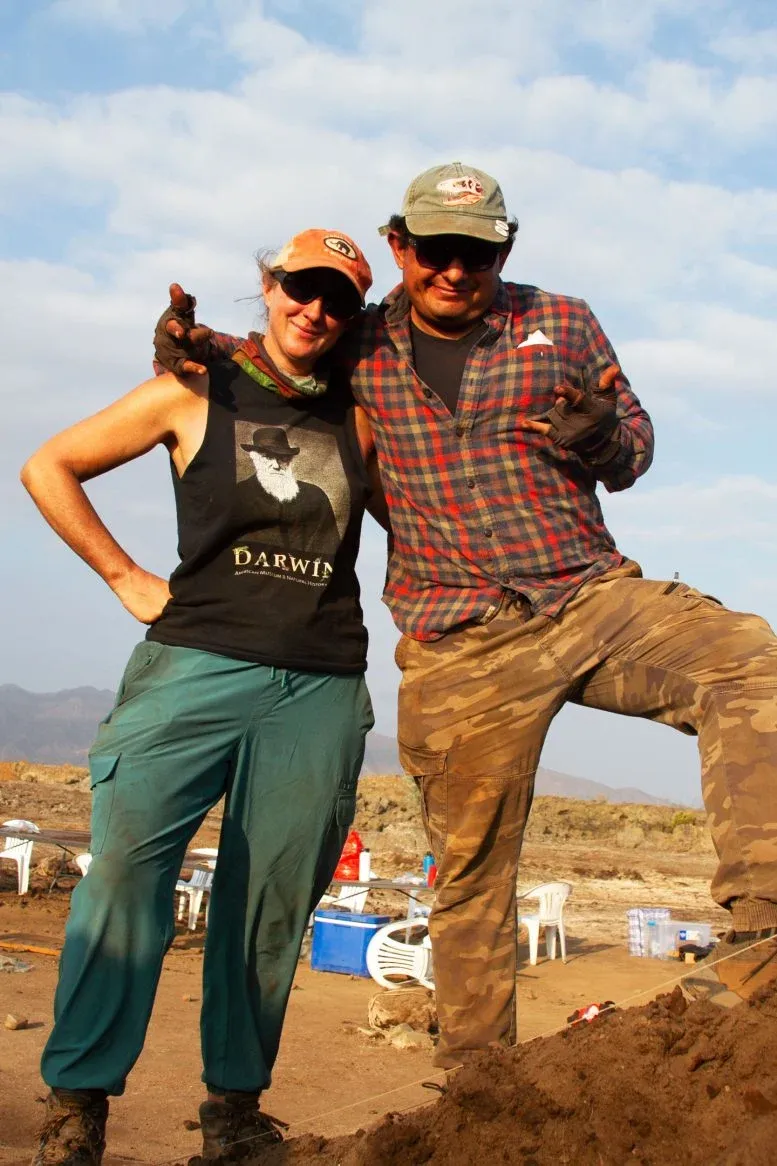
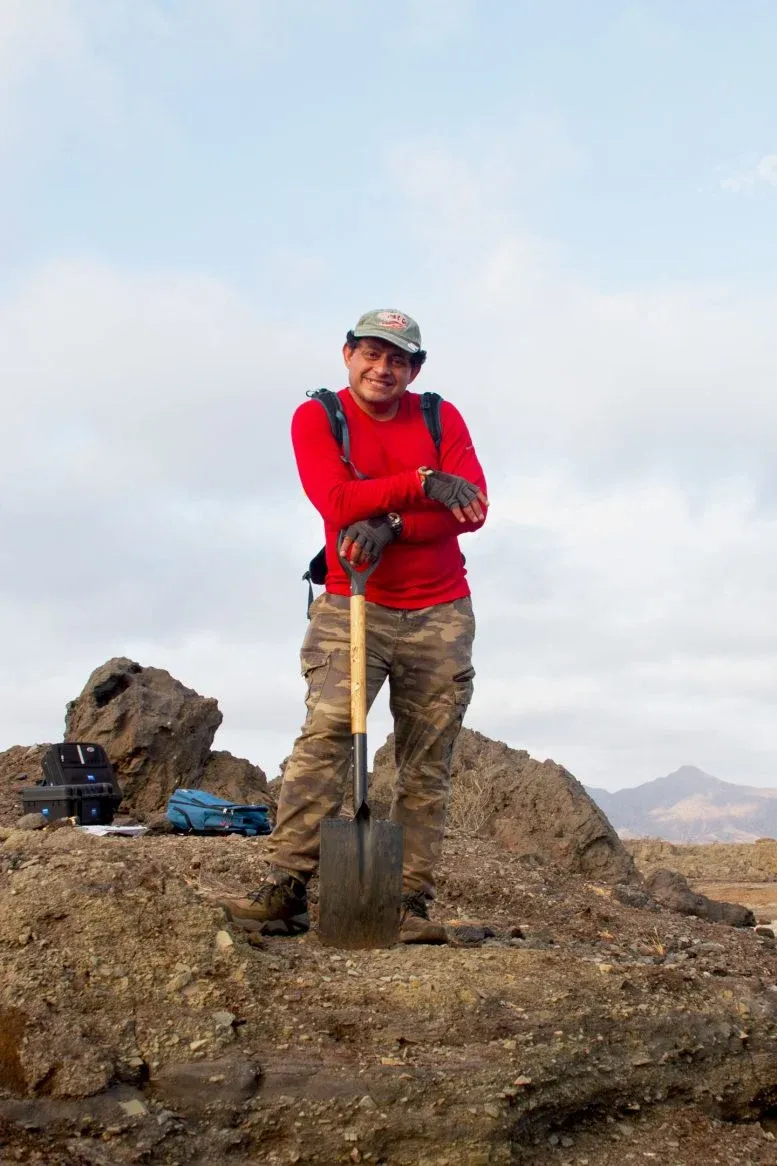
Start Your News DetoxDr. Alberto Cruz found it while looking through the La Brea Tar Pits' collection of reptiles and amphibians. He was a postdoctoral fellow and wasn't specifically looking for new species.
Dr. Cruz, a paleoecologist and paleogeographer, noticed the bone didn't quite match any known spadefoot toad. He first thought the unusual shape might be from an injury or disease. But after comparing it with many living spadefoot toads, he realized the differences were real.
He said, "I reviewed and reviewed a lot of specimens until I was convinced. I thought, 'Oh my gosh, this is a new species.'" This shows how old museum collections can still hold new discoveries. New questions and expertise can reveal species no one knew existed.
Dr. Emily Lindsey, Curator at La Brea Tar Pits, noted that this discovery highlights how new things are still being found, even after a century of research.
Amphibians as Climate Clues
La Brea is famous for large animals like mammoths and saber-toothed cats. But smaller animals can offer more precise clues about ancient environments. Amphibians are especially helpful because they are closely tied to their surroundings and don't travel far. Finding one fossil can give very local information about the habitat and climate.
Dr. Cruz explained that changes in the environment, like vegetation or temperature, directly affect these animals. This sensitivity means amphibian changes can help scientists track ecological shifts that large mammals might not reveal.
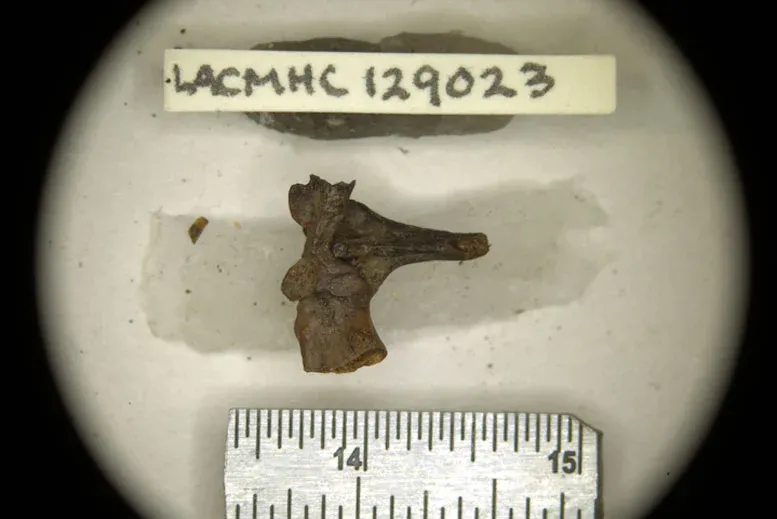
Frogs, toads, and salamanders have delicate skeletons that usually don't fossilize well. But La Brea's natural asphalt seeps have preserved many organisms, from large mammals to tiny vertebrates, plants, and insects. This unusual preservation allows scientists to study parts of the Ice Age ecosystem that would be missing elsewhere.
The scarcity of fossil amphibians suggests that many more species might have disappeared during the Pleistocene without leaving lasting remains.
Dr. Cruz studied amphibian bones from the Tar Pits, a collection not fully assessed in nearly 30 years. He compared these fossils with 80 specimens from other museums.
A Mexican Toad in Ancient Los Angeles
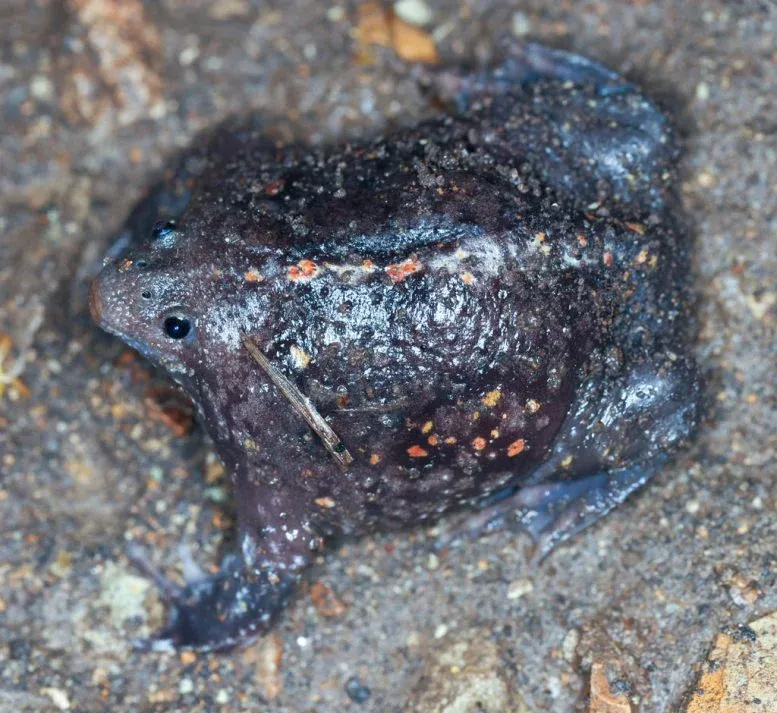
Researchers also found the first fossil record of the Mexican burrowing toad, Rhinophrynus, in the southwestern U.S. This toad now lives almost 2,500 kilometers away in southern Mexico. Its presence in ancient Los Angeles suggests that Ice Age Southern California had a very different environment than today.
The disappearance of S. labreae and the retreat of the Mexican burrowing toad tell a larger story. As the last Ice Age ended and environments changed, amphibian communities changed too. One species vanished, while another survived by moving far south.
Deep Dive & References: A new extinct Pleistocene species of spadefoot toad and comments on the paleoecology and paleobiogeography of anurans from Rancho La Brea, California - Journal of Vertebrate Paleontology, 2026