Imagine a material that can completely change its electronic personality, just by being told to. Scientists in the US just found one. This isn't just some lab trick; it could lead to computers that think faster and sensors that are way smarter.
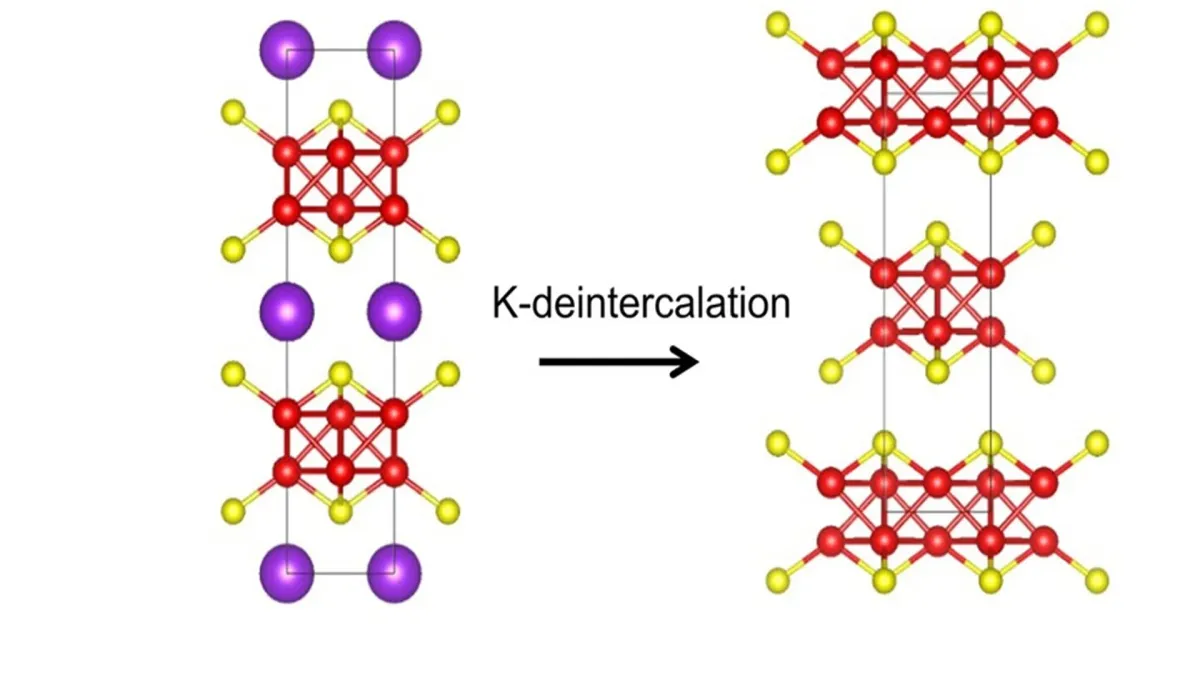
This clever material, called KxNi4S2, has layers of nickel and sulfur with potassium tucked in between. The wild part? You can actually push that potassium out and then put it back in. It's like a tiny, reversible quantum switch.

Mercouri Kanatzidis, who led the research at Northwestern University, says they don't know of any other material that can do this while keeping its basic structure intact. That's pretty nuts.
We're a new kind of news feed.
Regular news is designed to drain you. We're a non-profit built to restore you. Every story we publish is scored for impact, progress, and hope.
Start Your News DetoxA Tiny Quantum Traffic Controller
When potassium leaves the material, its internal structure shifts. This lets it switch between two very different quantum features: something called Dirac cones and something else called flat bands. Don't worry about the names, just know they control how electrons act.
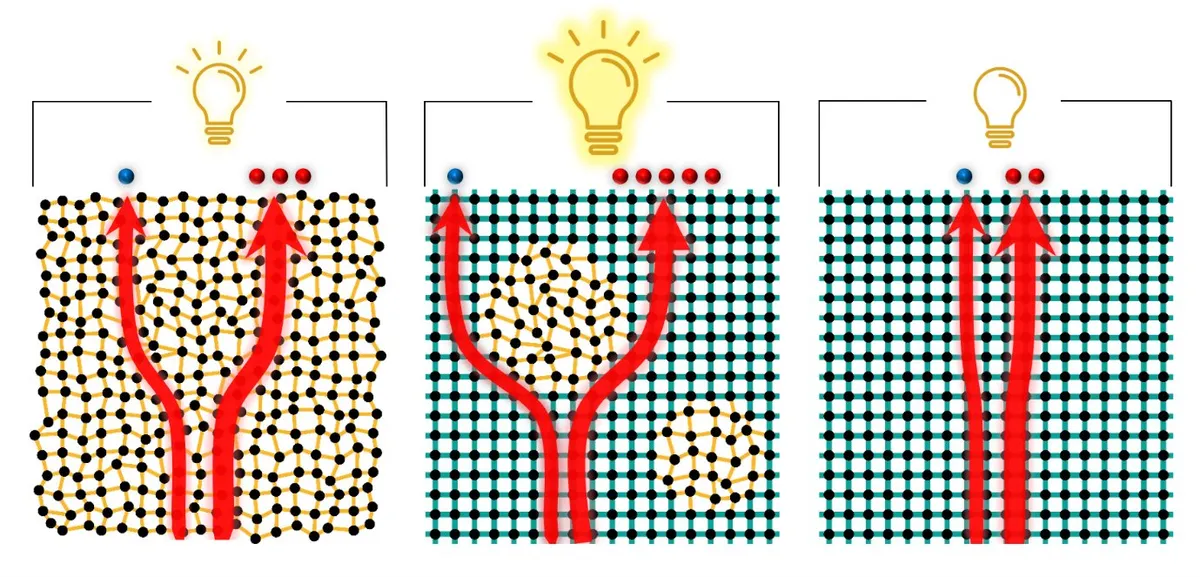
In the "Dirac" state, electrons become super light and zoom around really fast. But in the "flat-band" state, they slow down and act much heavier. Think of it like a tiny traffic controller for electrons, speeding them up or slowing them down as needed.
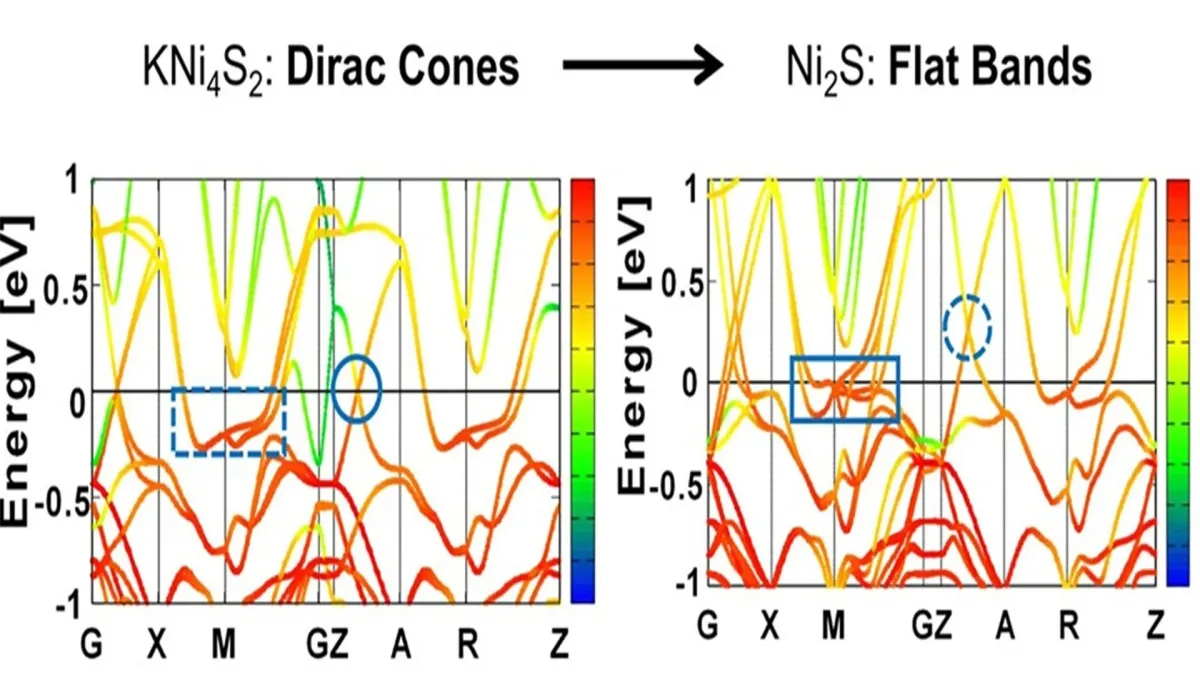
This kind of precise control over electron behavior is a huge deal for modern electronics. Devices that can change how electrons move on the fly could seriously boost performance and efficiency. We're talking about high-speed processors for your next phone or computer, and incredibly sensitive smart sensors.
The team made and studied samples at Argonne National Laboratory, using powerful computers and advanced light sources to confirm what was happening inside. It turns out the nickel atoms in the material are really chatty, and that interaction is what gives KxNi4S2 its unique talent.
Being able to switch quantum states within one single material simplifies things a lot. Instead of needing multiple different materials for different jobs, engineers might be able to use just one that adapts in real time. It's like having a multi-tool for quantum electronics. They're already planning to use this discovery to hunt for even more materials like it. Seriously cool stuff.