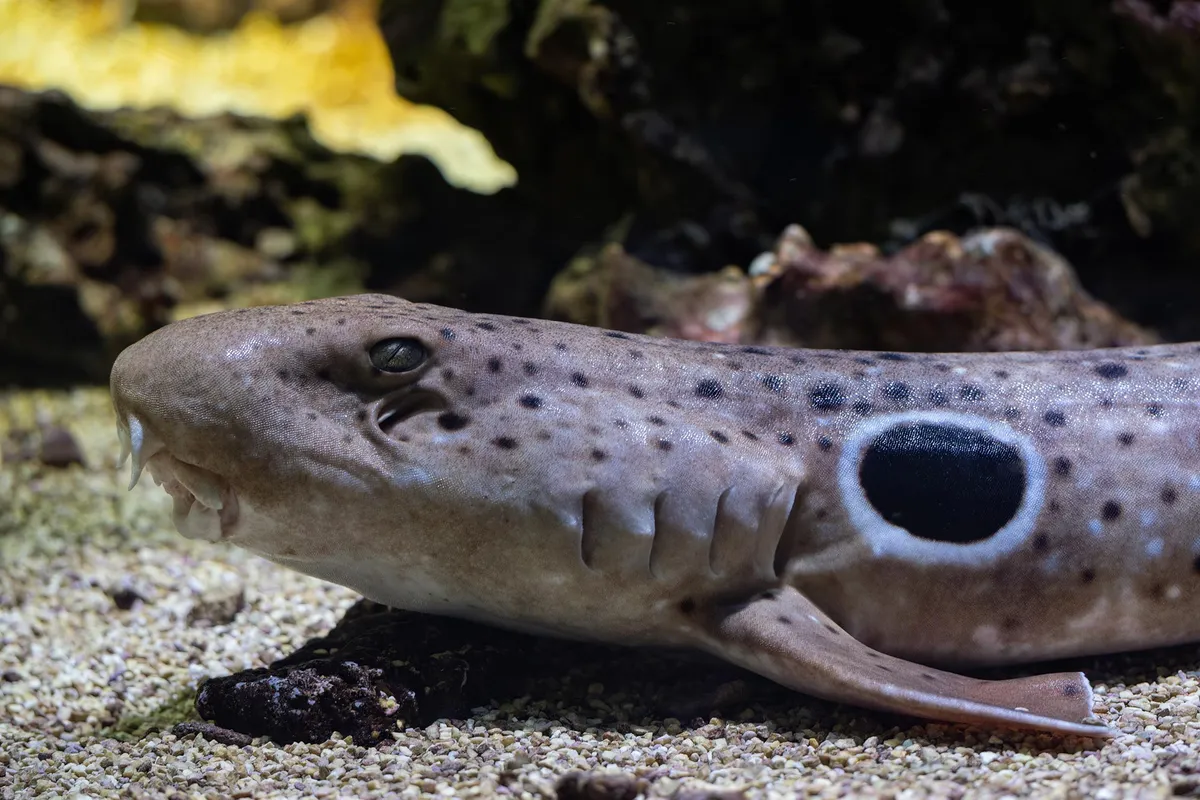
A small shark with a remarkable trick just upended what marine biologists thought they knew about reproduction.
Epaulette sharks—nicknamed "walking sharks" because they use their fins to move across the seafloor—can produce and lay eggs without any measurable spike in energy use. For most animals, making new life is supposed to be metabolically expensive. But researchers at James Cook University found something different.
Professor Jodie Rummer's team monitored five female epaulette sharks before, during, and after they laid eggs over a three-week cycle. They tracked oxygen uptake rates (a proxy for how hard the body is working) and measured blood chemistry and hormone levels. The result: everything stayed flat. No surge. No metabolic cost.
We're a new kind of news feed.
Regular news is designed to drain you. We're a non-profit built to restore you. Every story we publish is scored for impact, progress, and hope.
Start Your News Detox"Reproduction is the ultimate investment," Rummer said. "You are literally building new life from scratch. We expected their energy use would shoot up. But there was no uptick. It was completely flat."
The finding, published in Biology Open in 2025, matters more than it might first seem. For decades, scientists have assumed that when environmental stress hits—warming oceans, pollution, food scarcity—reproduction is the first thing animals will abandon. It's too expensive to maintain when survival is on the line. But epaulette sharks appear to have evolved a different strategy. They've optimized their physiology to lay eggs without paying an energy penalty.
"These sharks appear to have adapted their physiology to optimize their energy use," Rummer explained. "This challenges the narrative that when things go wrong, reproduction will be the first thing to go."
Dr. Carolyn Wheeler, the study's lead author, noted something equally striking: the sharks' blood chemistry and hormone levels remained remarkably stable throughout the process. That stability suggests epaulette sharks might be able to keep reproducing even under environmental stress—something most species can't do.
Why does this matter for the reef? Healthy shark populations help maintain the balance of coral ecosystems. If epaulette sharks can continue breeding even as oceans warm and conditions shift, they're more likely to survive the changes ahead. It's a small but genuine piece of good news in a conversation that usually tilts toward loss.
The research opens a new question: how many other species have evolved similar tricks that we simply haven't measured yet.