Counting animals is crucial for conservation. It's how scientists track species, monitor movements, and spot invaders. The problem? Traditionally, it involves a lot of human legwork, time, and money, and even then, things get missed.
But the last decade has seen a quiet revolution in wildlife monitoring. Biologists are now using environmental DNA, or eDNA — genetic material that living things shed into their surroundings. Think droppings, soil, water, even the air. This allows them to keep tabs on endangered species and sniff out invasive ones long before anyone actually sees them.
The Unexpected DNA Goldmine
Turns out, one of the best eDNA sources is something you probably try to avoid walking into: spiderwebs. These sticky architectural marvels trap not just the spider's own genetic material, but also bits of their meals, pollen from plants, and — crucially — the shed skin cells and saliva from every other creature that brushes past or gets caught. It seems the world is just one big DNA-shedding party, and webs are the ultimate bouncer.
We're a new kind of news feed.
Regular news is designed to drain you. We're a non-profit built to restore you. Every story we publish is scored for impact, progress, and hope.
Start Your News DetoxJoshua Newton, a molecular ecologist, put it best: spiderwebs are "probably one of the best substrates we’ve used and tried to date." He’s tried everything from flowers to car filters to find eDNA, and the webs consistently came out on top. They're particularly good at picking up vertebrates – animals with backbones – without scientists having to actively hunt for them.
There was just one tiny, sticky problem: to get this data, scientists had to destroy about 40 spiderwebs. Which, if you're trying to conserve nature, feels a bit counterintuitive. You're essentially evicting an arachnid to learn about its neighbors.
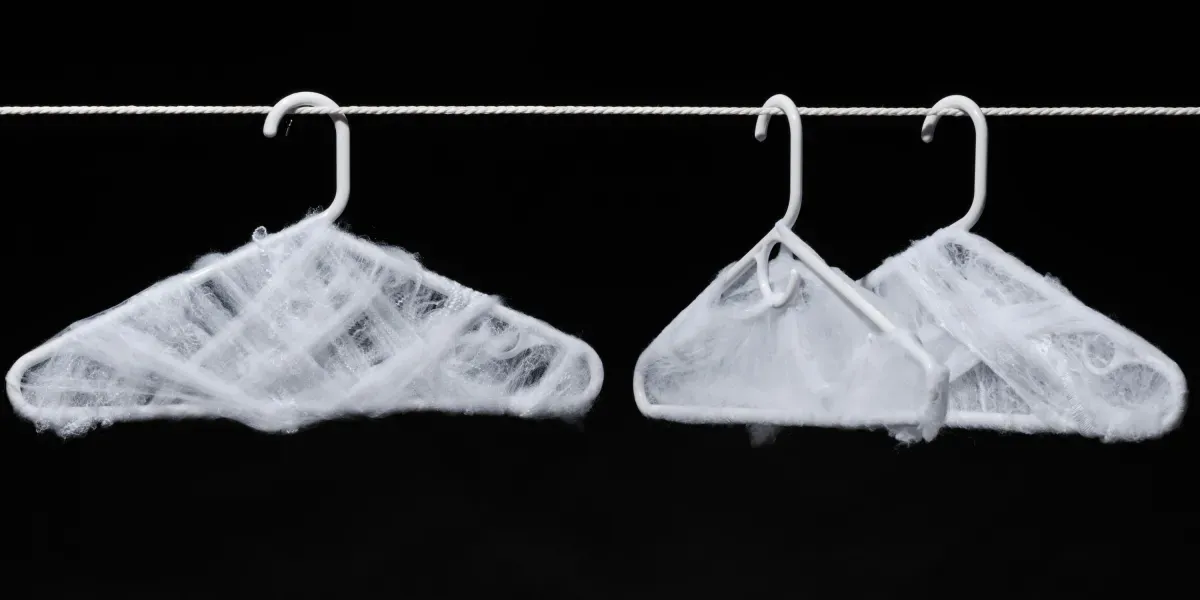
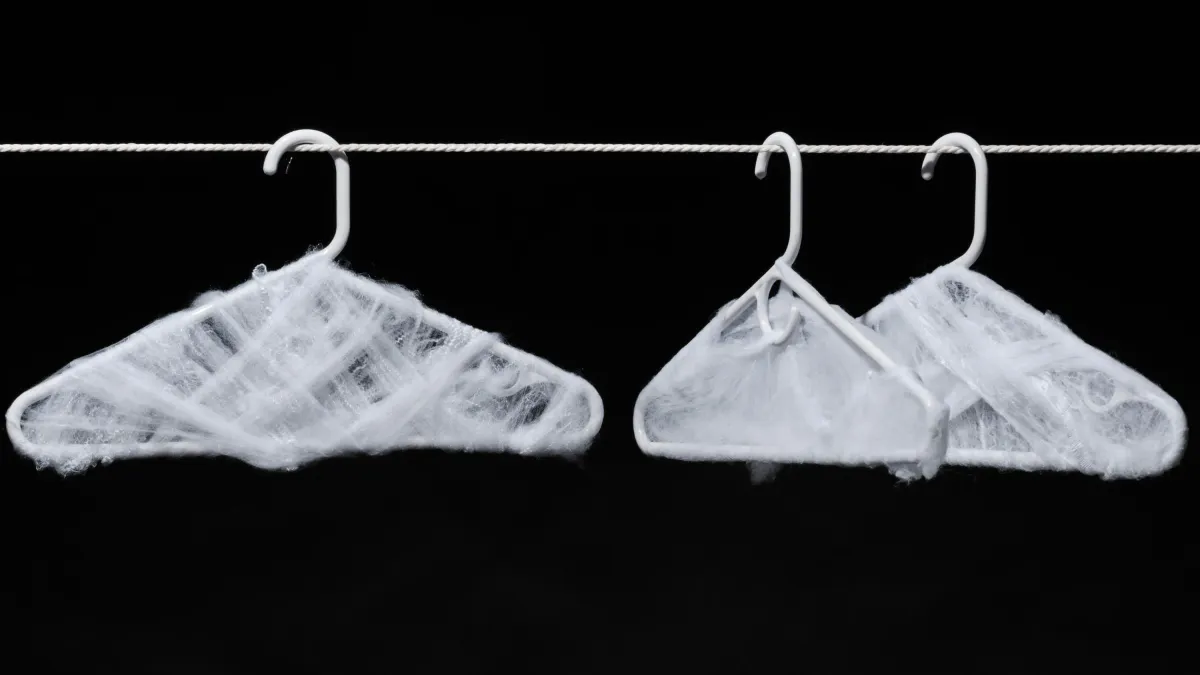
Enter Angela McGaughran, a genomicist with a stroke of genius. She bought some fake webs from a Halloween store, strung them on coat hangers, and hung them outside. The result? These faux webs snagged eDNA from nearby cows, sheep, and even exotic birds from a sanctuary. They were so effective they even out-performed real webs in detecting fungal spores, which could be a game-changer for monitoring crop diseases.
McGaughran's team is now scaling up, planning larger experiments to see if these artificial webs can become a cheap, passive, and incredibly effective way to survey biodiversity anywhere on Earth. Because apparently, all you need to unlock the secrets of an ecosystem is a bit of plastic string and a very patient spider-sense.