Genetic analysis has revealed a new baobab species in Madagascar. This discovery could change how two threatened tree populations are protected.
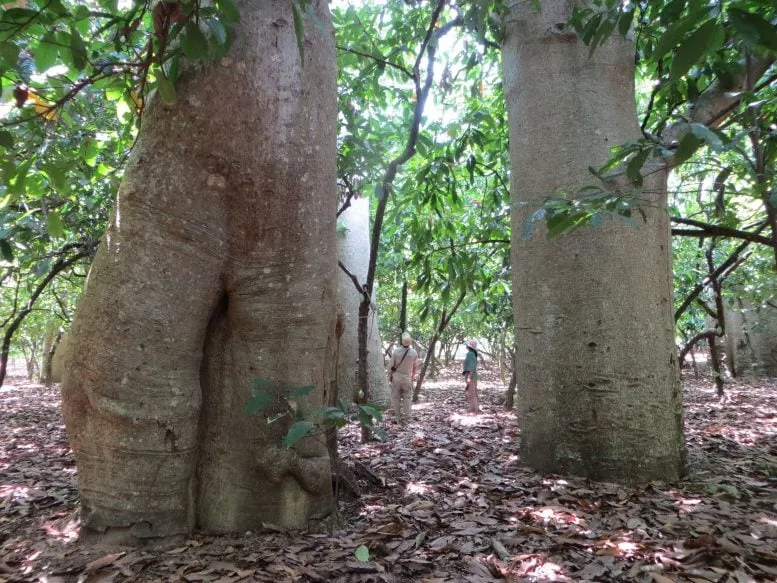
Researchers at the University of Wisconsin-Madison identified Adansonia bozy as a unique species. It is found only on the island of Madagascar. Before this, these trees were thought to be part of another Malagasy baobab species, Adansonia za. The findings were published in the journal Taxon.
Uncovering a Hidden Species
Even though the two species look alike, genetic tests showed that northern populations once called A. za are actually more closely related to other baobabs from northern Madagascar. Naming them a separate species could help direct conservation efforts for these endangered trees.
We're a new kind of news feed.
Regular news is designed to drain you. We're a non-profit built to restore you. Every story we publish is scored for impact, progress, and hope.
Start Your News DetoxBaobabs grow naturally in Australia, mainland Africa, and Madagascar. There were eight known species worldwide: one in Australia, one in Africa, and six in Madagascar. This new classification adds a ninth.
Nisa Karimi, the lead author, noted that it's surprising scientists are still answering basic questions about how many baobab species exist. David Baum, a co-author who has studied baobabs for over 40 years, explained that defining species can be complex. However, for A. bozy, the genetic evidence was very clear.
Baum said that any group recognized as a species should have organisms more closely related to each other than to anything outside the group.
The Challenges of Fieldwork
To get genetic samples, Karimi traveled to remote parts of Madagascar. She had to find individual baobabs. Many Malagasy species look almost identical from their leaves. So, identifying them meant seeing their flowers.
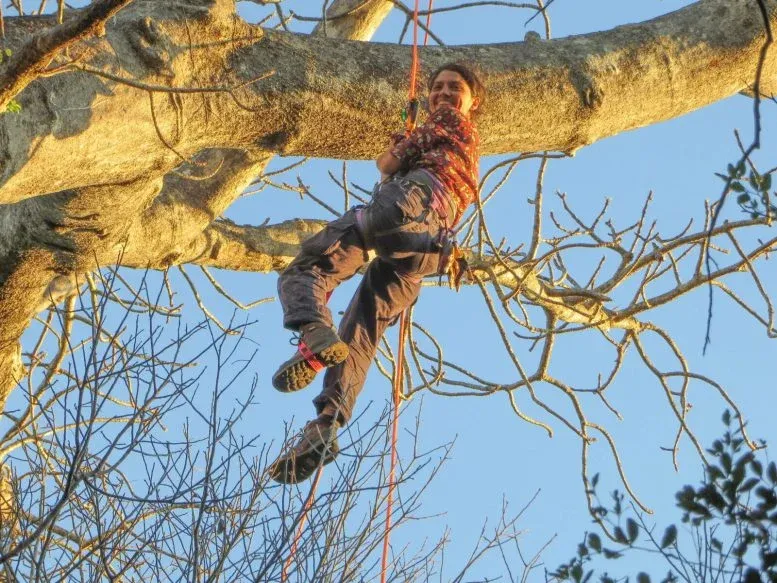
This created a small window for fieldwork. Each species blooms for only about a month. The flowers open after dark, sometimes on branches over 100 feet high. Karimi had to arrive at the right time and use special climbing gear to get to the flowers.
Once the leaf samples reached Wisconsin, a new problem arose. Grinding the leaves for DNA extraction created a slimy material. This was because the leaves had a lot of polysaccharides.
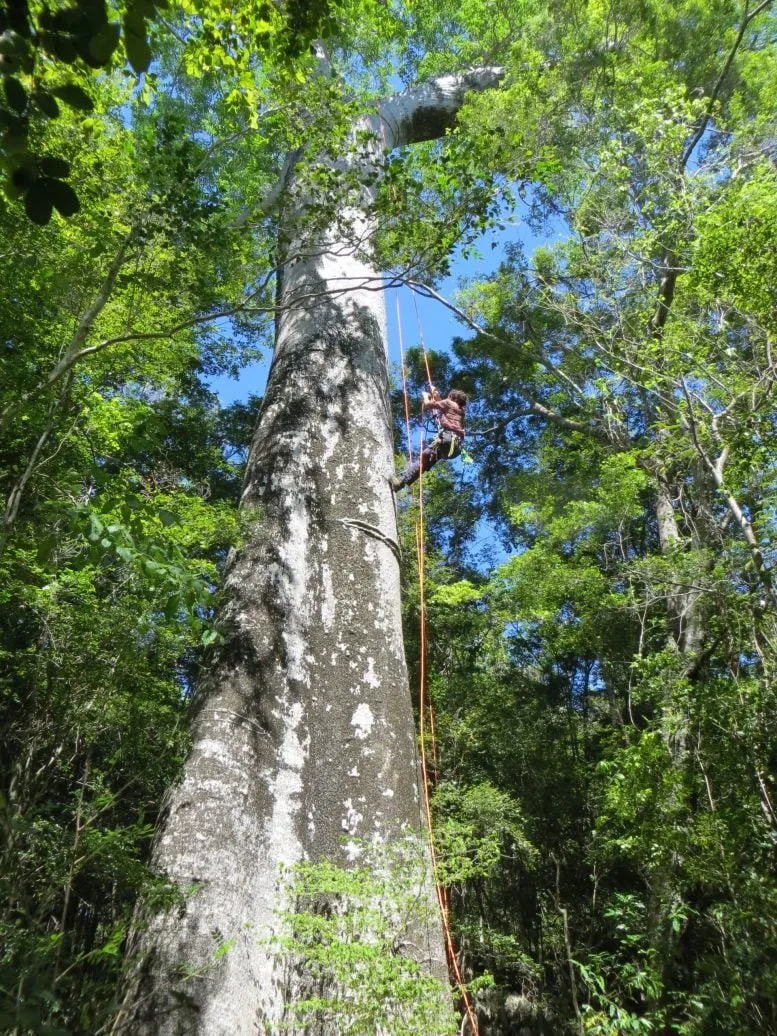
High-quality DNA is needed for long genetic sequences. But slimy tissue often causes DNA to break apart. After much effort, Karimi found a way to get the high-quality DNA needed for analysis.
The researchers used a technique called targeted sequence capture. This method identifies and sequences hundreds of selected genes. Scientists then compare these genes to understand how organisms are related.
Karimi found the important gene regions in the DNA fragments from each sample. She then compared these genes across species. Computational tools helped her combine and understand the hundreds of gene sequences.
Karimi explained that A. bozy, despite looking like the species it was grouped with, is actually more closely related to two other groups in northern Madagascar.
Impact on Conservation
Based on where A. bozy is found in Madagascar, Karimi and Baum believe the newly recognized species is endangered. This distinction could have real effects. Conservation funding in Madagascar often goes to threatened and endangered species. Recognizing A. bozy separately could bring more resources for its protection.
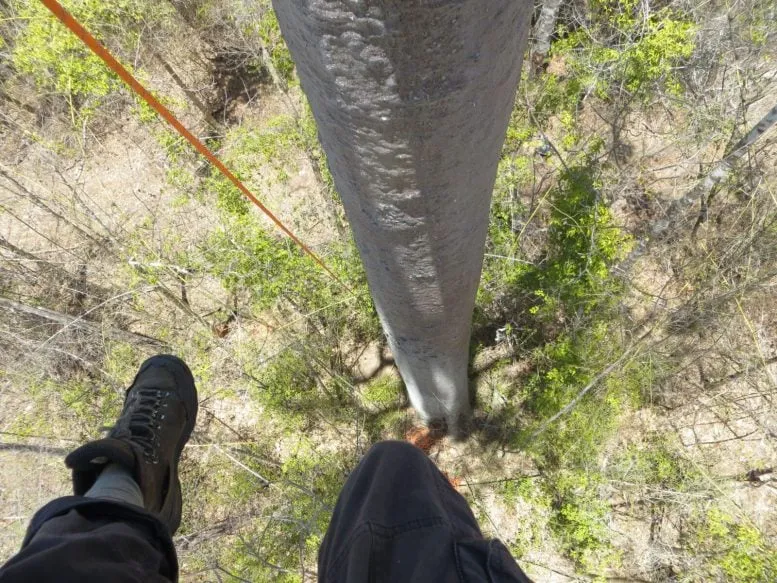
The findings also raise questions about A. za. This species was thought to have a much larger range. Removing the trees now classified as A. bozy means A. za has a smaller known population. This could lead to a new assessment of its conservation status.
Karimi emphasized that conservation is impossible without knowing how to describe, name, and understand species relationships.
Karimi and Baum think there might be more undiscovered species in remote parts of Madagascar. Their results also suggest that another widespread baobab, A. rubropstipa, might need to be split into separate species. They plan to continue studying Madagascar’s baobabs to better understand the island's biodiversity and improve conservation efforts.