Ever wonder why it takes us roughly 18 years to become a fully-fledged, semi-responsible adult, while a mouse is basically running a tiny rodent empire after a few weeks? Turns out, the answer might be in how quickly our cells take out the trash.
Scientists have been scratching their heads for ages trying to figure out the molecular secret behind our famously slow development compared to our furry, fast-paced mammal cousins. Now, new research points to a surprisingly simple, yet profound, difference: our proteins just last longer.
Think of it this way: cells are constantly building and breaking down proteins. This 'protein degradation' process is crucial for everything from staying healthy to setting the internal clock for embryo development. Previous studies hinted at this, noting one specific developmental protein (HES7) broke down slower in humans. But the new study says it's not just one protein. It's practically all of them.
We're a new kind of news feed.
Regular news is designed to drain you. We're a non-profit built to restore you. Every story we publish is scored for impact, progress, and hope.
Start Your News DetoxThe Grand Slowdown
Published in Developmental Cell, this research wasn't messing around. They compared the degradation rates of about 4,000 shared proteins between humans and mice. And the verdict? Humans are the slow-mo champions. Our proteins generally hang around for longer.
Miki Ebisuya, a senior author, noted the surprise: they expected to find a handful of key differences. Instead, it was a widespread, general feature across the human proteome. It didn't matter what the protein did, or which cellular cleanup crew (proteasome or lysosome) was supposed to handle it; human proteins just took their sweet time.
This means our cells are essentially running on a slightly delayed timer, offering a neat, unified explanation for why human development feels like watching paint dry compared to, say, a hamster.
Metabolism: The Unsung Pace-Setter
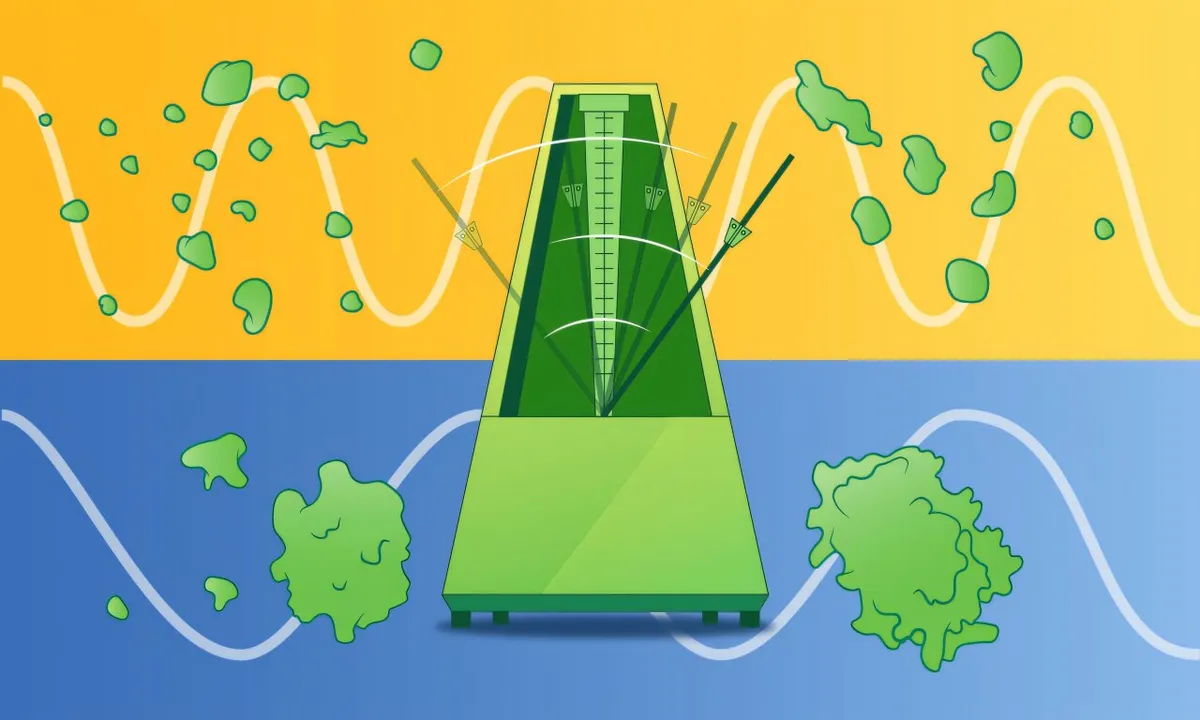
So, why the lag? The team dug deeper and landed on cellular metabolism. When they dialed down the metabolic activity in mouse cells, something fascinating happened: protein degradation slowed, and suddenly, those mouse cells were acting more human-like in their developmental speed.
It seems metabolism isn't just about burning calories; it's a fundamental conductor for how quickly our cells recycle their building blocks. This insight doesn't just explain developmental timing across species; it hints at a deeper connection between our basic cellular functions and the very pace of life itself. Which, if you think about it, is both impressive and slightly terrifying. Now, if only we could speed up our morning coffee metabolism...