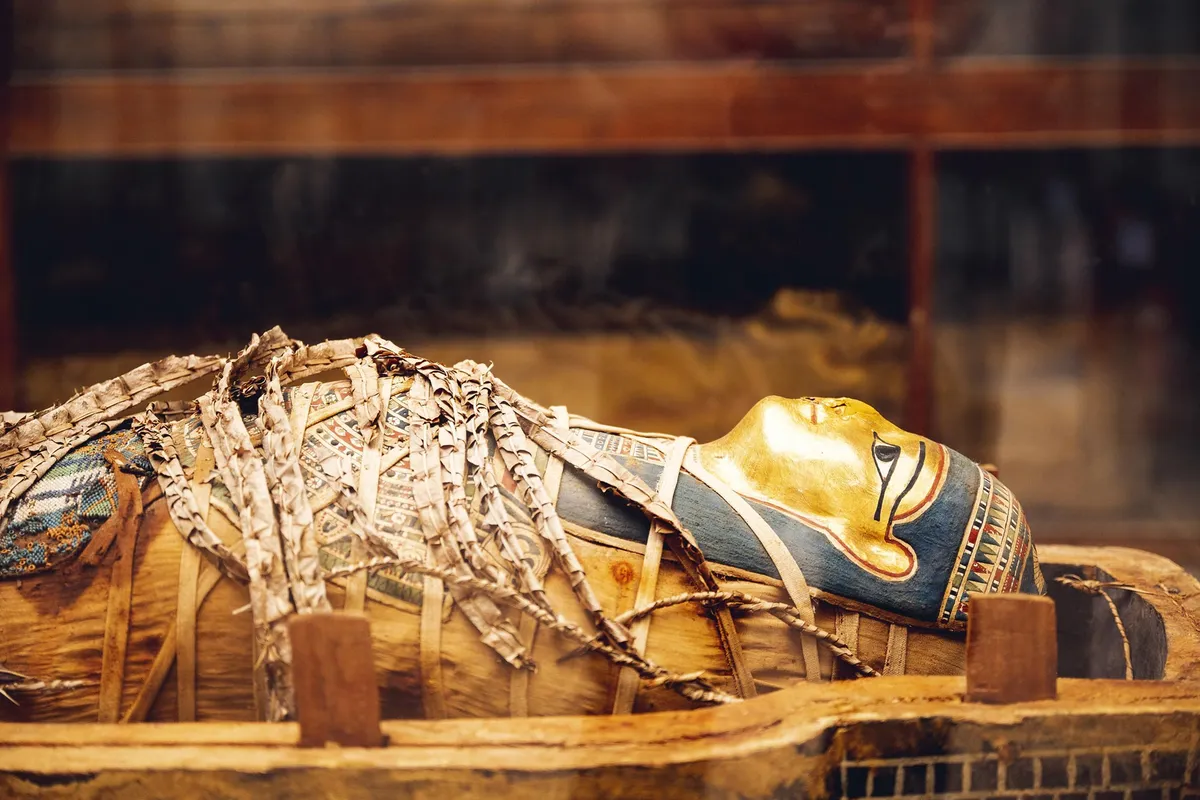
Scientists have cracked the chemical code hidden in the smell of ancient Egyptian mummies—and the findings tell a surprisingly sophisticated story of how embalming techniques evolved over two thousand years.
It sounds like a curiosity, but it's actually a window into ancient ingenuity. Rather than just smelling like old things, mummies release precise chemical signatures that document exactly what embalmers used and when they used it. And researchers at the University of Bristol figured out how to read this smell without damaging the fragile artifacts themselves.
The team analyzed volatile organic compounds—basically, the airborne chemicals released by tiny mummy fragments—from 35 samples spanning 19 mummies across 3,200 years. Instead of dissolving samples with solvents (which can destroy irreplaceable objects), they used solid-phase microextraction combined with gas chromatography to capture and identify 81 distinct chemical signatures.
We're a new kind of news feed.
Regular news is designed to drain you. We're a non-profit built to restore you. Every story we publish is scored for impact, progress, and hope.
Start Your News Detox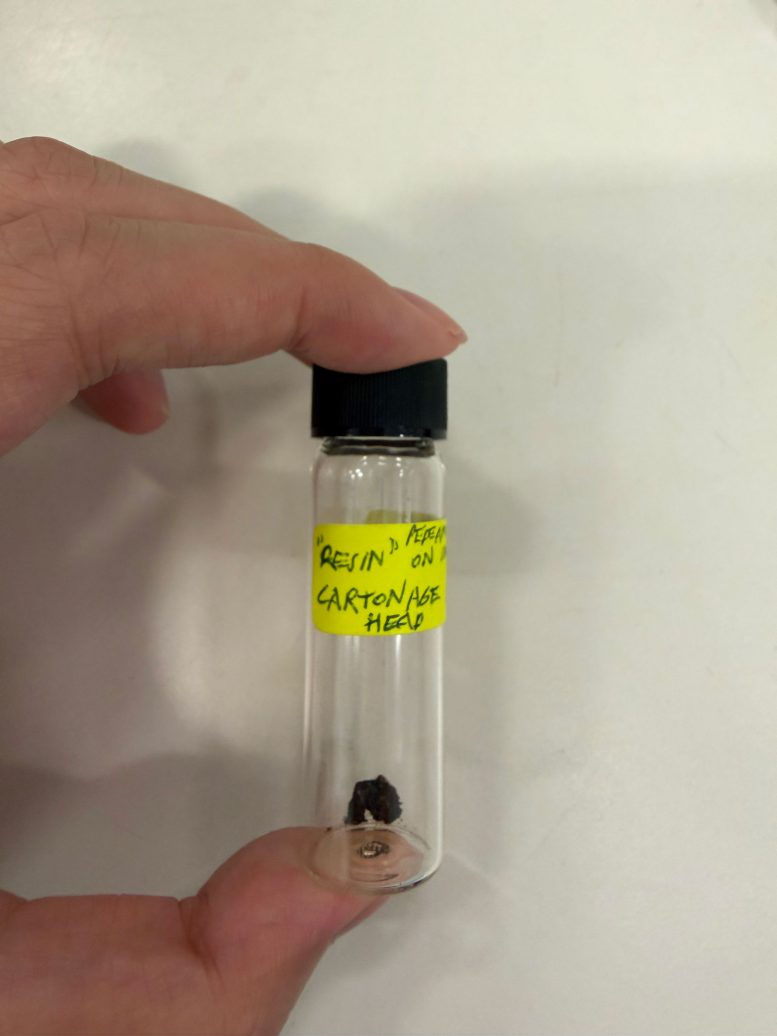
The Chemistry of Progress
Here's where it gets interesting: the chemical recipes changed dramatically over time. Earlier mummies, from around 3200 BC, relied on simple combinations of fats and oils. By later periods—moving toward 395 AD—embalmers were using far more complex mixtures of imported resins and bitumen, expensive materials that required specialized knowledge to prepare and apply.
This wasn't just about availability. The shift toward costlier, more sophisticated ingredients suggests embalmers were learning what actually worked. They weren't guessing. They were refining their practice based on what they observed about preservation.
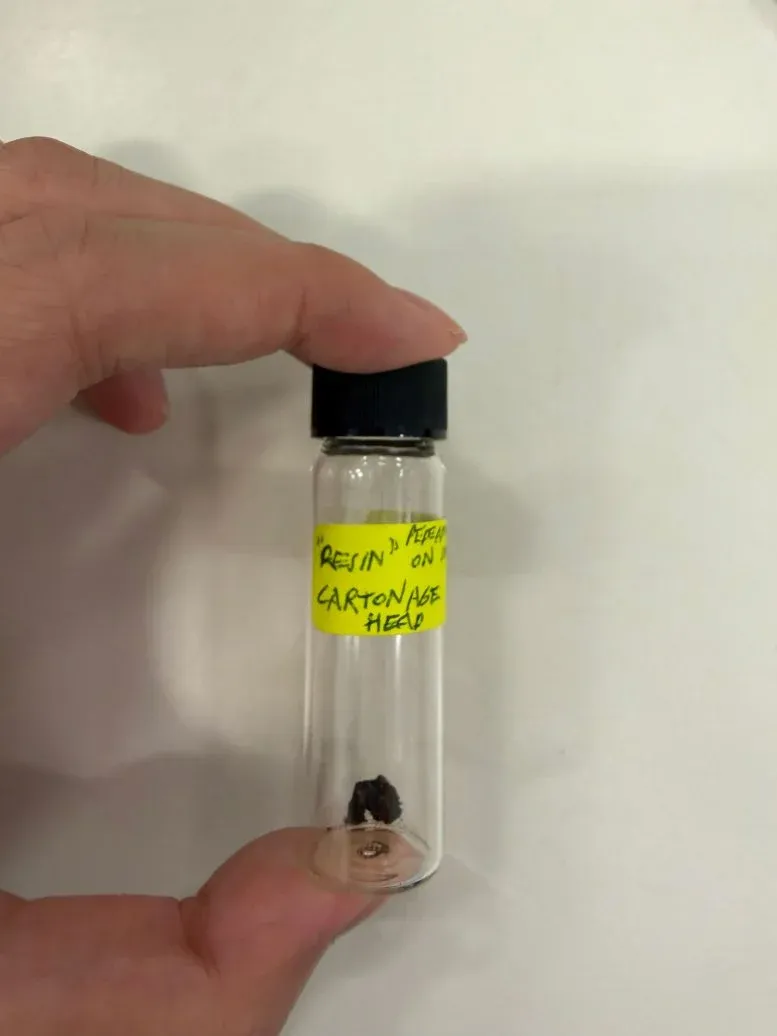
The research also revealed something subtler: embalmers used different recipes for different parts of the body. Heads often had different chemical patterns than torsos, hinting at specialized knowledge about how specific materials might protect different regions. It's the kind of detail that gets lost in time but shows up in smell.
"Earlier mummies had simpler profiles dominated by fats and oils, while later mummies displayed more complex mixtures incorporating imported resins and bitumen," said Dr. Wanyue Zhao, the researcher who led the analysis. "Such materials were more costly and required more specialized preparation, as the practice became more advanced."
Why This Matters Now
The breakthrough isn't just historical curiosity—it's genuinely useful for museums right now. This non-destructive approach means curators can screen fragile mummies and gather chemical data without ever touching them. Air sampling becomes a first step, a fast way to understand what's in a collection before deciding whether more detailed (and riskier) analysis is worth doing.
For researchers, it's a tool that works. Previous methods struggled to detect certain compounds, especially bitumen residues. This approach catches them clearly. "This approach expands the study of ancient Egyptian funerary practices, presenting a clearer, fuller picture of mummification recipes, material choices, and preservation strategies," said Richard Evershed, professor of chemistry at Bristol.
The technique opens possibilities for understanding how other ancient cultures preserved their dead—and for protecting irreplaceable artifacts while we study them. It's the kind of quiet win that doesn't make headlines but changes how museums work.