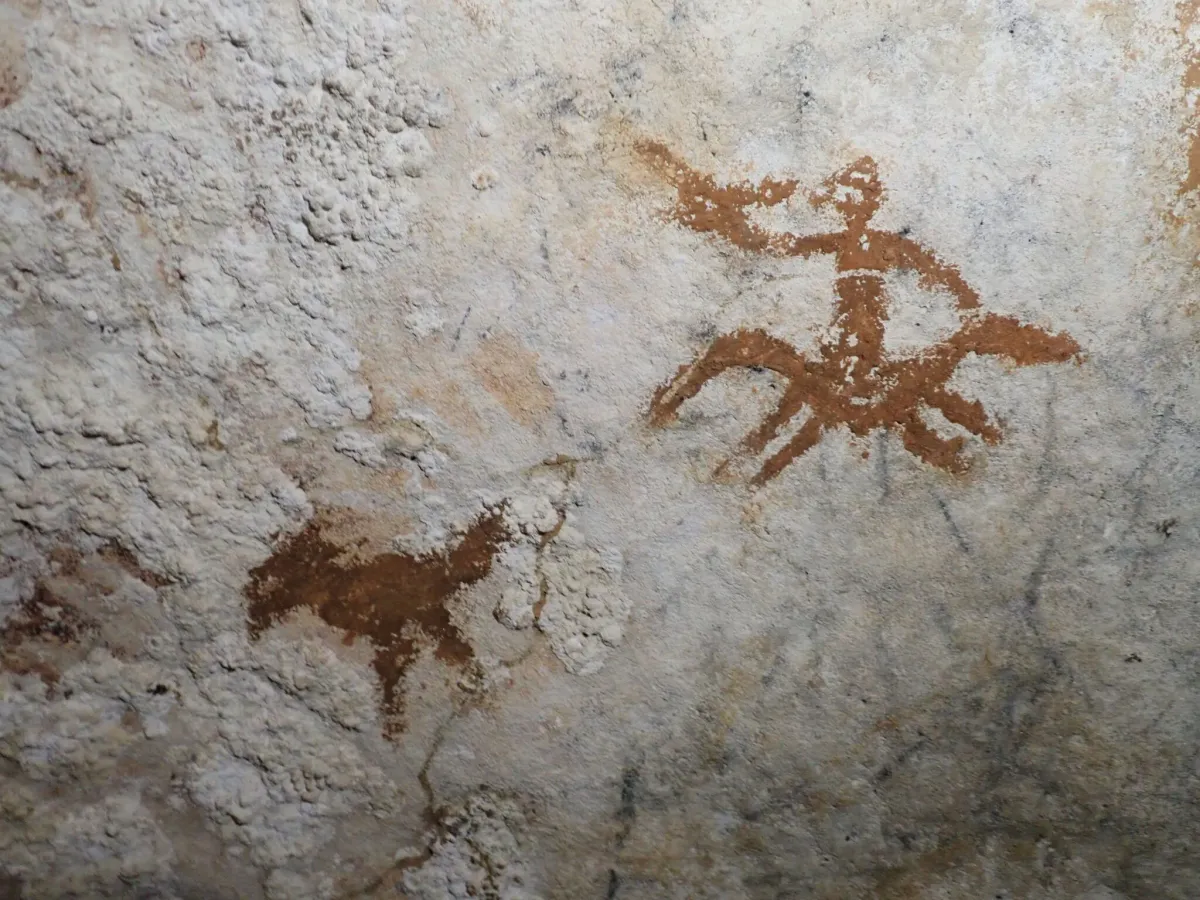
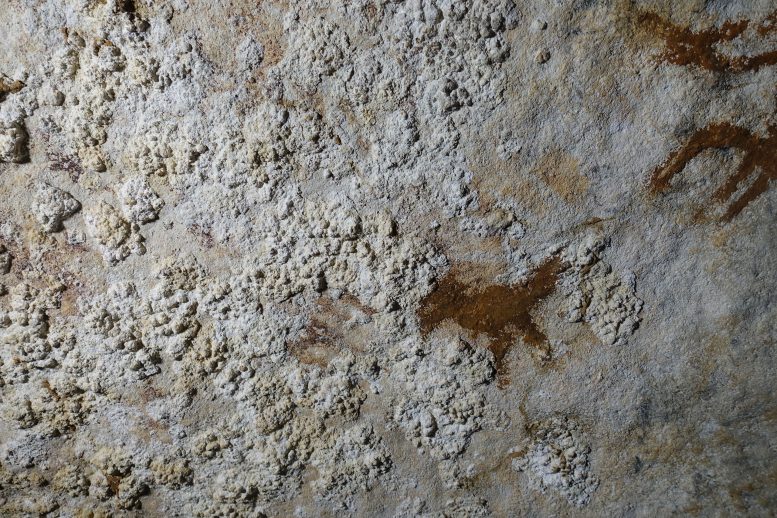
A hand stencil pressed onto a cave wall in Indonesia 67,800 years ago is now the oldest reliably dated rock art ever found. It's not just old—it's a threshold moment. It tells us that symbolic thinking, the impulse to leave a mark and say I was here, emerged far earlier than we thought, and it points to a migration story we're only now beginning to piece together.
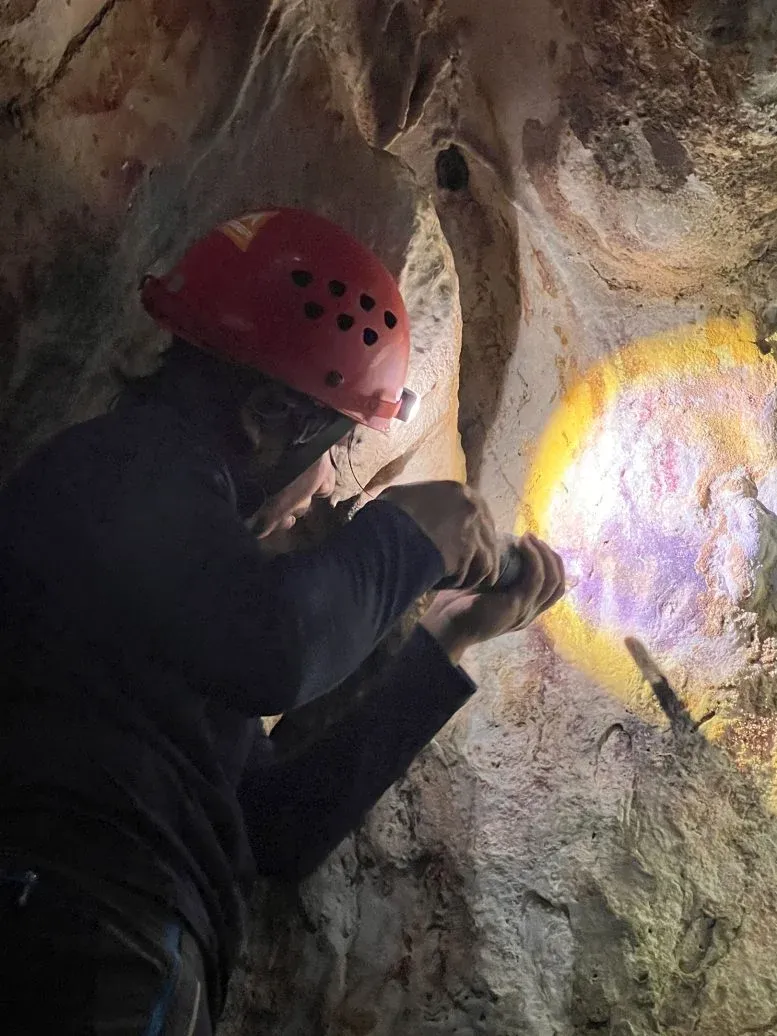
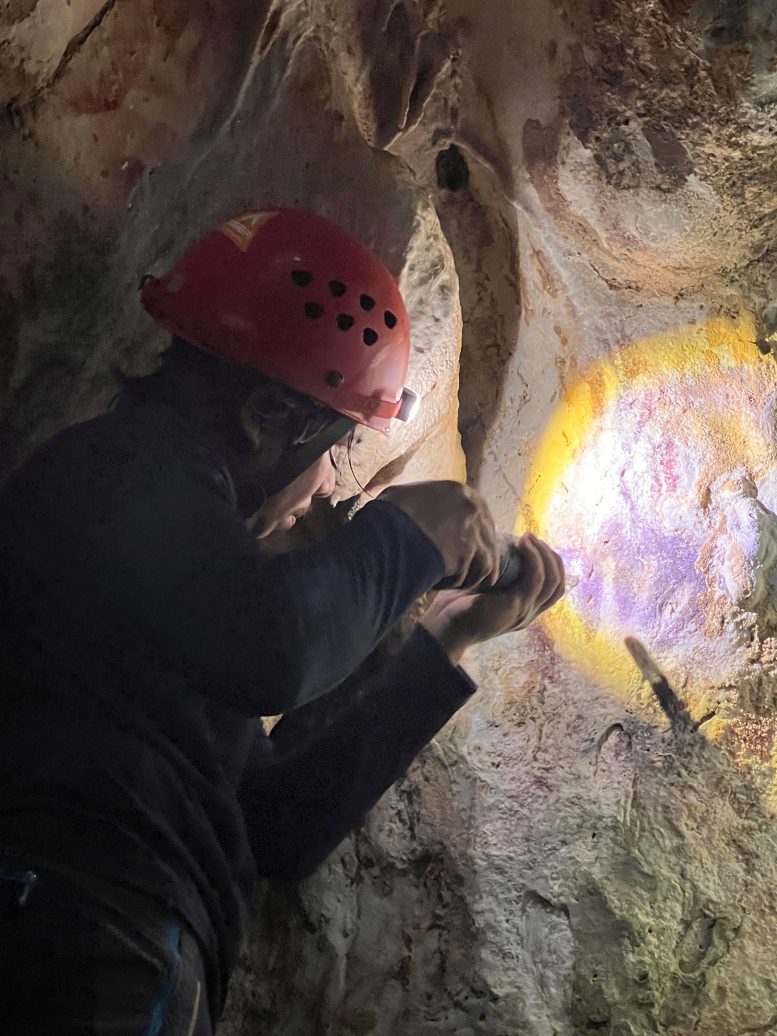
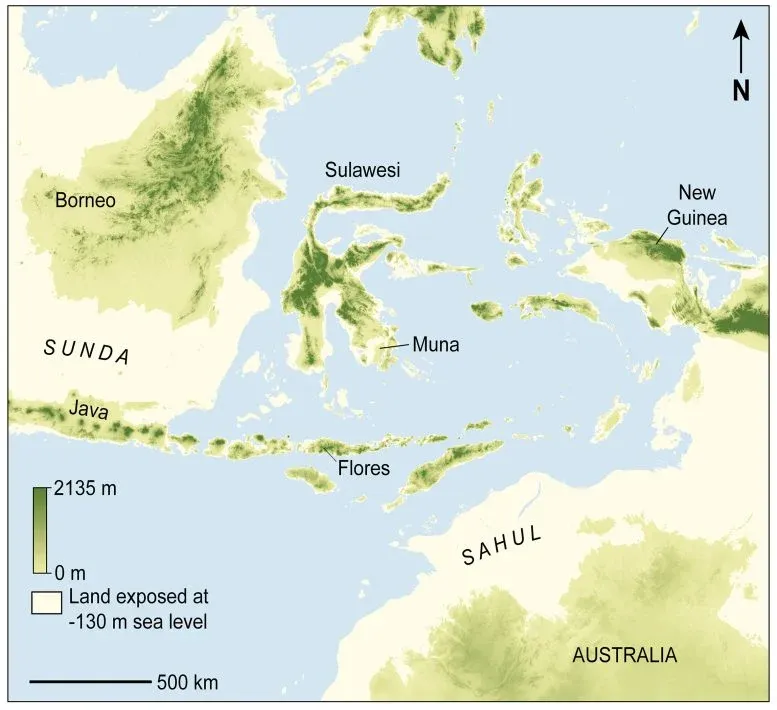
The stencil was discovered in Liang Metanduno cave on the island of Muna, off the coast of Sulawesi. An international team led by researchers at Griffith University, Indonesia's national research and innovation agency (BRIN), and Southern Cross University used uranium-series dating—analyzing mineral layers that formed over and beneath the paintings—to establish the age. The result pushed back the previous record in the same region by at least 15,000 years.
What makes this hand different
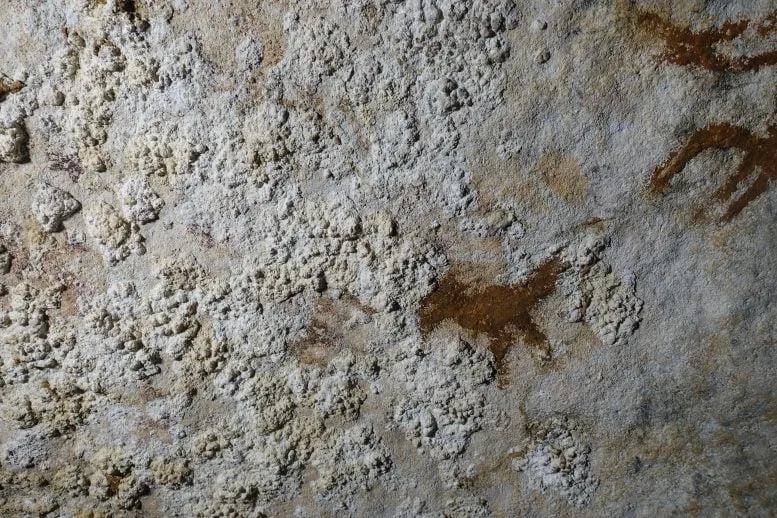
The stencil itself carries an unusual detail. After the original outline was made, the artist deliberately narrowed the finger outlines, creating a claw-like appearance—a variation not seen in hand stencils anywhere else. What it meant, we don't know. But Professor Adam Brumm from Griffith University's Australian Research Centre for Human Evolution suggests it may have carried symbolic weight, possibly representing a blurred line between human and animal identity. Other paintings from the same site seem to show part-human, part-animal figures, hinting at a worldview where those categories weren't as fixed as we might assume.
We're a new kind of news feed.
Regular news is designed to drain you. We're a non-profit built to restore you. Every story we publish is scored for impact, progress, and hope.
Start Your News DetoxWhat's equally striking is the duration. People returned to this cave repeatedly for at least 35,000 years, leaving new art until around 20,000 years ago. This wasn't a one-off visit. It was a sustained artistic tradition.
Why this matters for human migration
The discovery settles a long-running debate about when humans first reached Sahul—the ancient landmass that once connected Australia, Tasmania, and New Guinea. Archaeologists have argued for decades whether people arrived 50,000 years ago (the short chronology) or at least 65,000 years ago (the long chronology). This stencil, at 67,800 years old, strongly supports the longer timeline. The artists who made it were likely ancestors of the First Australians, and they were already in the region by the time this hand was pressed onto the cave wall.
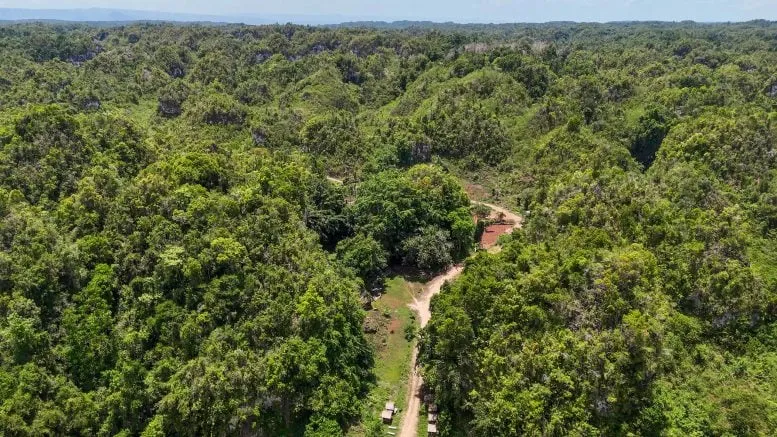
The location also clarifies how they got there. Scholars have debated two possible routes: a northern path through Sulawesi and the Spice Islands into New Guinea, or a more direct southern journey across the water to mainland Australia. "With the dating of this extremely ancient rock art in Sulawesi, we now have the oldest direct evidence for the presence of modern humans along this northern migration corridor," said Professor Renaud Joannes-Boyau of Southern Cross University.

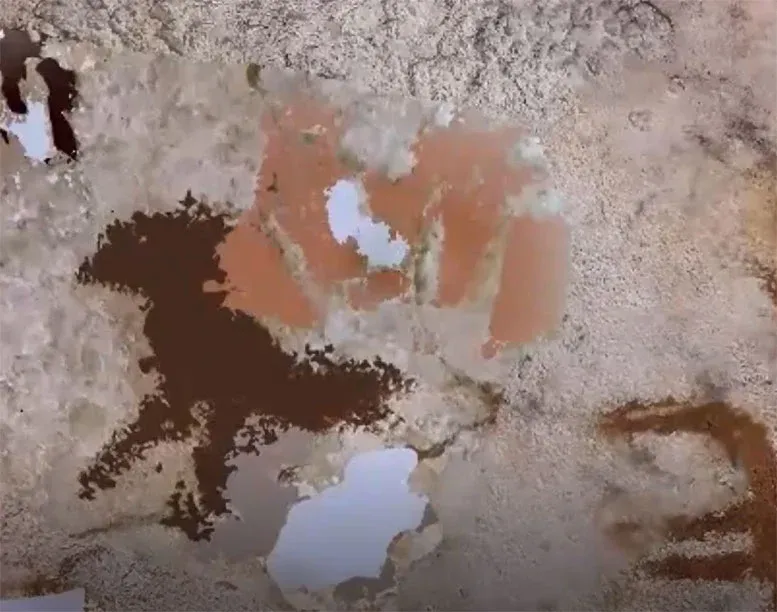
Professor Maxime Aubert, an archaeologist and geochemist at Griffith's Centre for Social and Cultural Research, frames the bigger picture: "It is now evident that Sulawesi was home to one of the world's richest and most longstanding artistic cultures, one with origins in the earliest history of human occupation of the island at least 67,800 years ago."
The research team is continuing to investigate early human art and settlement across the Indonesian islands between Sulawesi and western New Guinea, mapping a migration corridor that shaped the peopling of the Pacific.