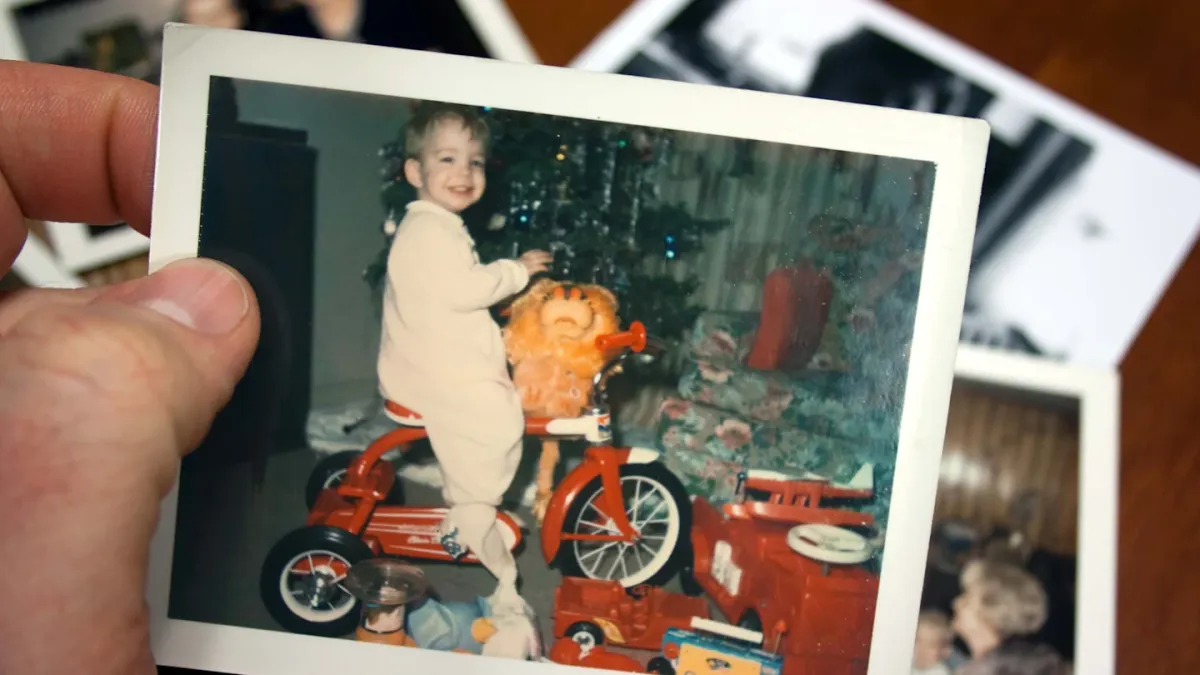
A song comes on. A photo surfaces in your feed. Suddenly you're somewhere else entirely—not physically, but in your chest, in the weight of your breathing. That's nostalgia, and it's not just sentimentality. It's your brain doing something surprisingly useful.
Nostalgia feels like a side effect of getting older, but neuroscience suggests it's something more deliberate. When you're hit with that bittersweet pull toward a memory, multiple regions of your brain light up simultaneously: the areas handling memory, emotion, self-reflection, and even reward processing. It's less like reminiscing and more like your brain running an internal reunion. Dopamine floods in. Your emotional regulation systems kick in. And suddenly the world feels a little more meaningful.
Researchers have found that this isn't just pleasant—it's functional. Nostalgia boosts self-esteem, increases your desire for human connection, and makes people more optimistic about what's ahead. When you're scrolling through old photos during a difficult week, you're not indulging in escapism. You're practicing a form of emotional self-care your brain has learned to use.
We're a new kind of news feed.
Regular news is designed to drain you. We're a non-profit built to restore you. Every story we publish is scored for impact, progress, and hope.
Start Your News DetoxThe gap between memory and imagination
But here's where it gets interesting. You can feel nostalgic for times you never lived through. The 1920s. The '90s. "Simpler times." A decade you only know through films, photographs, and cultural fragments. Psychologists call this anemoia—and it reveals something about how memory actually works.
You don't just remember the past. You imagine it. And you imagine it selectively. The flaws get quiet. The hardships fade. What remains is an aesthetic, a feeling of belonging attached to a version of history that never quite existed. It's not that you want to travel back in time. You're craving the stability and identity you've attached to a polished, edited version of what came before—especially when the present feels chaotic.
Music as a time machine

The fastest route to nostalgia runs through music. A song you haven't heard in years comes on, and suddenly you're seventeen again, sitting in a car, feeling exactly as you felt then. That's not coincidence. Music weaves memory and emotion together more tightly than almost anything else.
Psychologists call this the "reminiscence bump"—a window in adolescence and early adulthood when your brain forms especially vivid, emotionally charged memories. The songs, films, and shows you loved during those years become permanent landmarks in your mind. They're not just entertainment; they're anchors. Decades later, they transport you back not just to the moment, but to the person you were.
What nostalgia is actually for
Nostalgia isn't an escape hatch from your current life. It's a thread connecting you across time. It reminds you that you've lived, survived, changed, and loved. Whether you're missing a single afternoon, an entire era, or just a feeling you can't name, nostalgia is how you piece together who you are. Those memories that refuse to fade aren't just pleasant distractions. They're the foundation of your identity—proof of where you've been, evidence of who you're becoming.