White roofs and urban parks can make cities cooler and protect people from heat waves. However, these solutions are not enough to stop the extreme global warming expected by 2100. Temperatures could rise by more than 6°C (11°F) by then.
This is according to a new study from the Institute of Environmental Science and Technology at the Universitat Autònoma de Barcelona (ICTA-UAB).
How Cities Can Fight Heat
Researchers used detailed weather simulations to predict future heat waves in Barcelona, Spain. They looked at three ways to adapt cities to heat:
We're a new kind of news feed.
Regular news is designed to drain you. We're a non-profit built to restore you. Every story we publish is scored for impact, progress, and hope.
Start Your News Detox- White roofs: Painting roofs white to reflect sunlight.
- Green roofs: Installing irrigated roofs with plants.
- Urban parks and agriculture: Creating more parks and farming areas in and around cities.
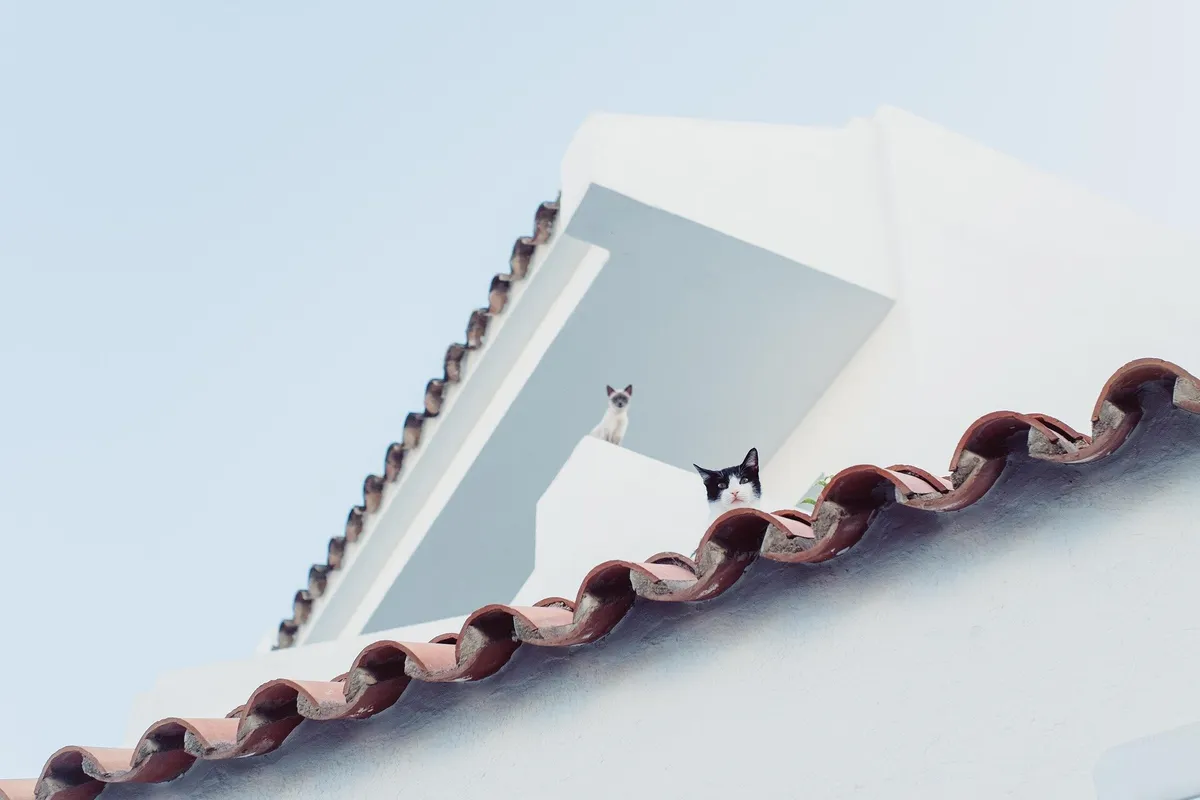
The study found that white roofs were the most effective during the day. They reduced temperatures by up to 1.75°C in the hottest areas. White roofs reflect a lot of solar radiation. However, applying this to building walls could actually make street-level temperatures hotter.
Green roofs helped a little during the day, reducing heat by 0.37°C. They insulate buildings and cool the air through plant evaporation. They also help local wildlife. But their cooling power depends on the plants used and how much water they need. Green roofs, however, slightly increased nighttime temperatures by 0.24°C.
Urban parks and agricultural areas offer shade and cool the air through plant evaporation. They also help rainwater soak into the ground. Creating new urban parks and expanding farming areas had a moderate cooling effect of 0.26°C. But these also slightly increased nighttime temperatures.
Sergi Ventura, the lead author of the study, explained that plants slowly release stored heat at night. This limits how much heat can escape into the atmosphere. Because of this, combining white roofs and urban parks seems to be the best way to fight heat in sensitive areas.
Long-Term Outlook
Even with these strategies, heat vulnerability in crowded, low-income areas could double by 2100. Currently, these adaptation methods can reduce vulnerability by 43% to 47%. But their effectiveness drops to just 16% by 2100 due to extreme warming.
Researchers stress that no single solution can stop extreme warming alone. However, focusing these strategies on the most vulnerable neighborhoods can greatly reduce health risks. While the study focused on Barcelona, its findings could help other cities with similar climates find affordable ways to protect people from extreme heat.
Deep Dive & References
Adapting urban areas to rising temperatures: Strategies to reduce heat and vulnerability in a warming world - Urban Climate, 2026