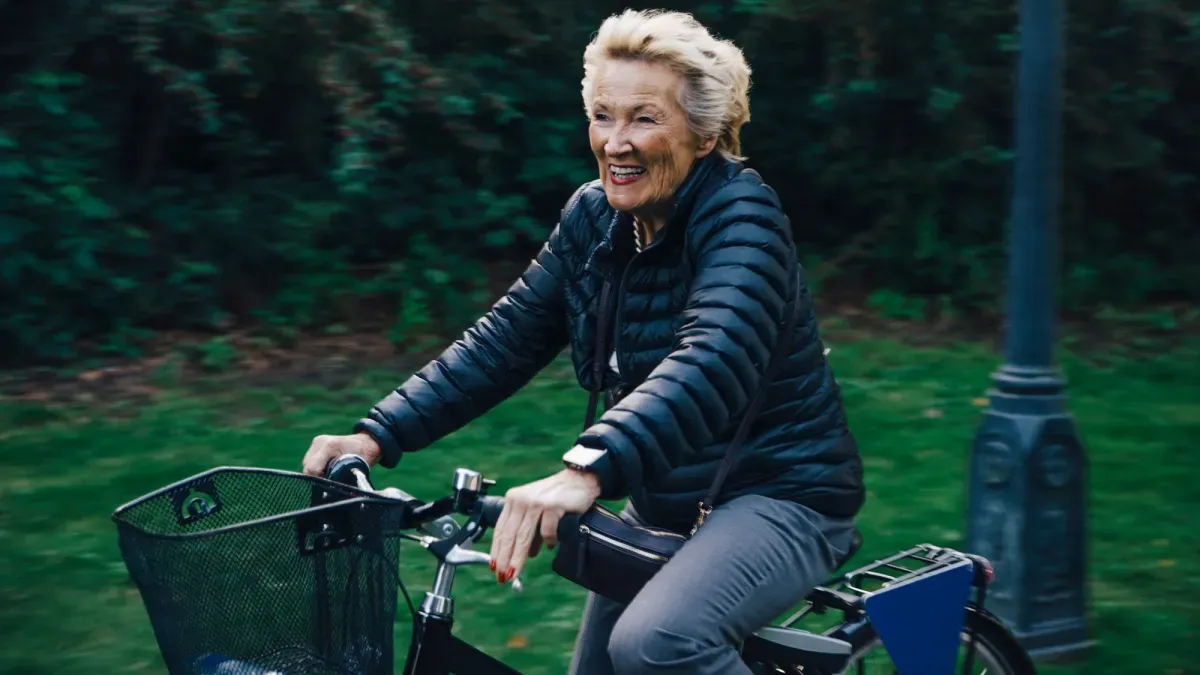
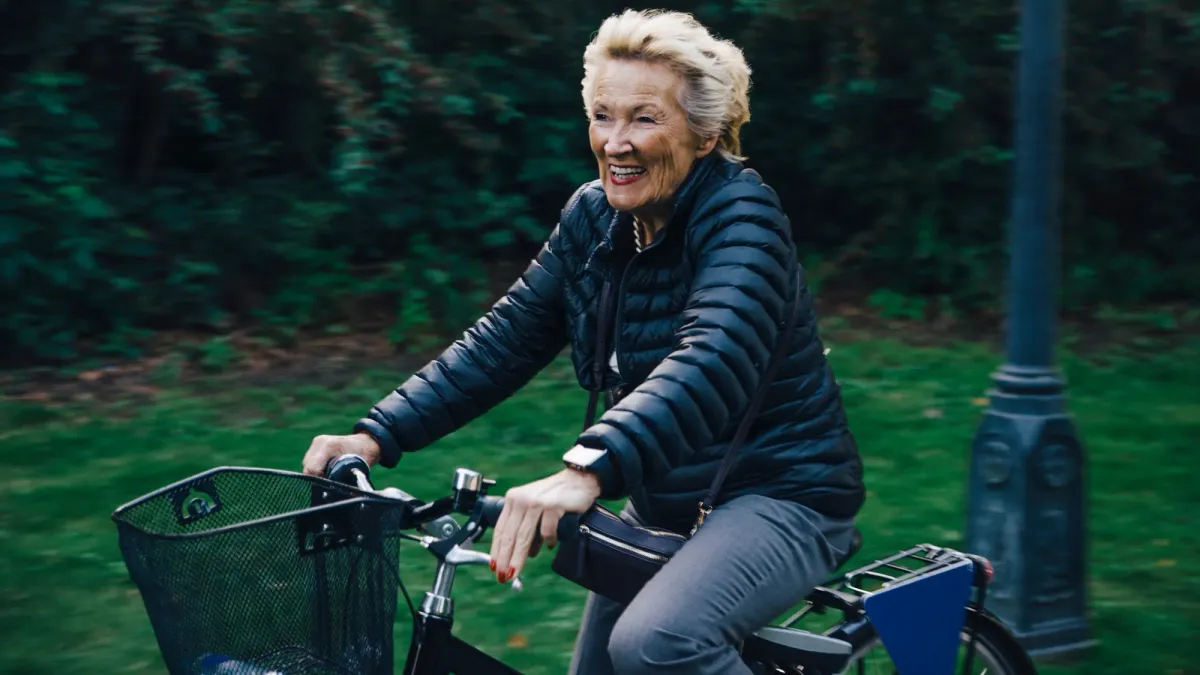
You know that feeling. You can't remember if you had toast or existential dread for breakfast, but put you on a two-wheeler, and suddenly you're a cycling prodigy. "It's like riding a bike," we say, and it turns out, that's not just a cute idiom — it's a peek into the delightfully complex filing system of your brain.
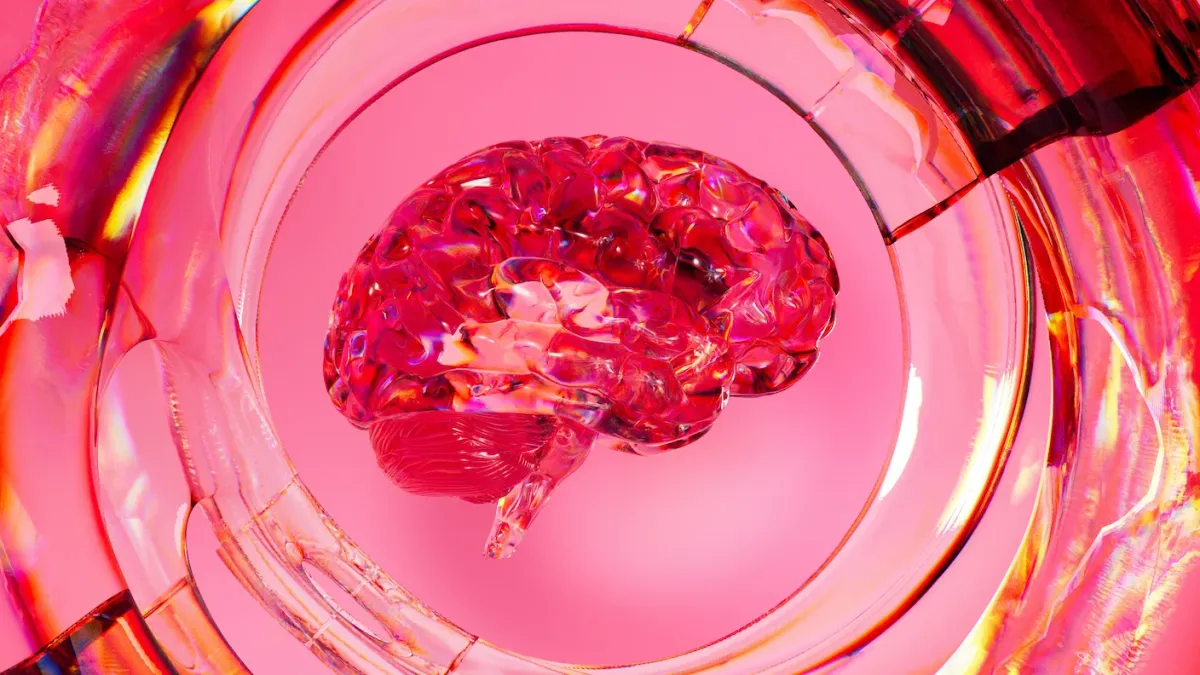
Turns out, remembering how to keep your balance on two wheels and recalling your cousin's birthday are two entirely different beasts. Dr. Andrew Budson, a neurology prof at Boston University, explains that your brain has a few different long-term memory categories, because apparently, one size does not fit all.
First, there's semantic memory, which is basically your brain's Wikipedia: facts, general knowledge, how to use a wrench. Then there's episodic memory, the highlight reel of your life: first kiss, that time you accidentally wore two different shoes. And finally, the star of our show: procedural memory. This is where the magic happens for all those automatic tasks — playing an instrument, swimming, and, yes, riding a bike.
We're a new kind of news feed.
Regular news is designed to drain you. We're a non-profit built to restore you. Every story we publish is scored for impact, progress, and hope.
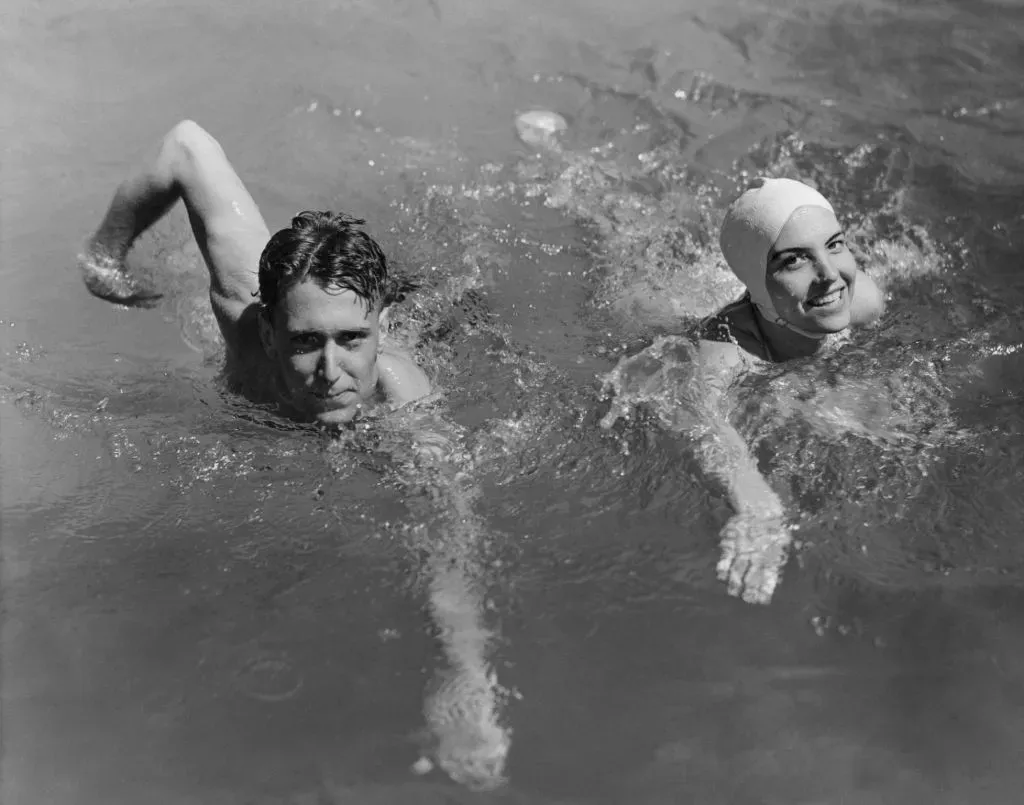
Start Your News DetoxWhat we lovingly call "muscle memory" is really just procedural memory doing its thing. It's so good at its job, in fact, that before bikes became the universal example, people used to say "it's like swimming." Because apparently that's where we were then.
Bike riding, Dr. Budson points out, is a motor activity. It taps into the deep, ancient parts of your brain — the basal ganglia and the cerebellum. These aren't the same squishy bits you use to remember what you named your first goldfish. These are the "hardwired" circuits, making those basic motions stick around for the long haul. That's why even if someone moves a key on your keyboard, you can still mostly touch-type. You adapt faster than a chameleon on a disco ball.
Why Studying Bike Brains is Tricky
Oddly enough, for something so universally understood, there isn't a mountain of research specifically on why we remember how to ride a bike. Go figure.
One reason is delightfully practical: it's incredibly hard to stick someone in an fMRI machine while they're actually pedaling through the park. Also, people's self-assessments of their biking prowess can be, shall we say, optimistic, which can skew results, according to Dr. Elizabeth Kensinger, a psychology professor at Boston College.
So instead, scientists get clever. They study procedural memory by teaching people new, controlled skills, like drawing shapes while only looking at their hands in a mirror. It's like a tiny, lab-controlled existential crisis, but it's much easier to study than a real-life bike crash.

The Repetition Revelation
Just doing something once usually isn't enough to cement a procedural memory. Your brain pathways need a good workout, a little repetition to really lock things in. Dr. Kensinger notes that the second or third time you try a skill, it clicks much faster because those pathways are already primed, like a well-worn groove.
While these memories can fade, they do so at a glacial pace compared to your fleeting episodic memories. Practice keeps them sharp, and they return with surprising speed. The best part? You can form these memories your whole life. Even older adults can pick up complex motor skills, like mastering a new wheelchair or, heaven forbid, a new computer. It just takes a little more patience to build those fresh neural highways.
So, the next time you effortlessly glide down the street, spare a thought for your incredible procedural memory. It's the silent hero making sure you can escape danger, find food, and look effortlessly cool on two wheels, even if you can't remember where you put your keys.