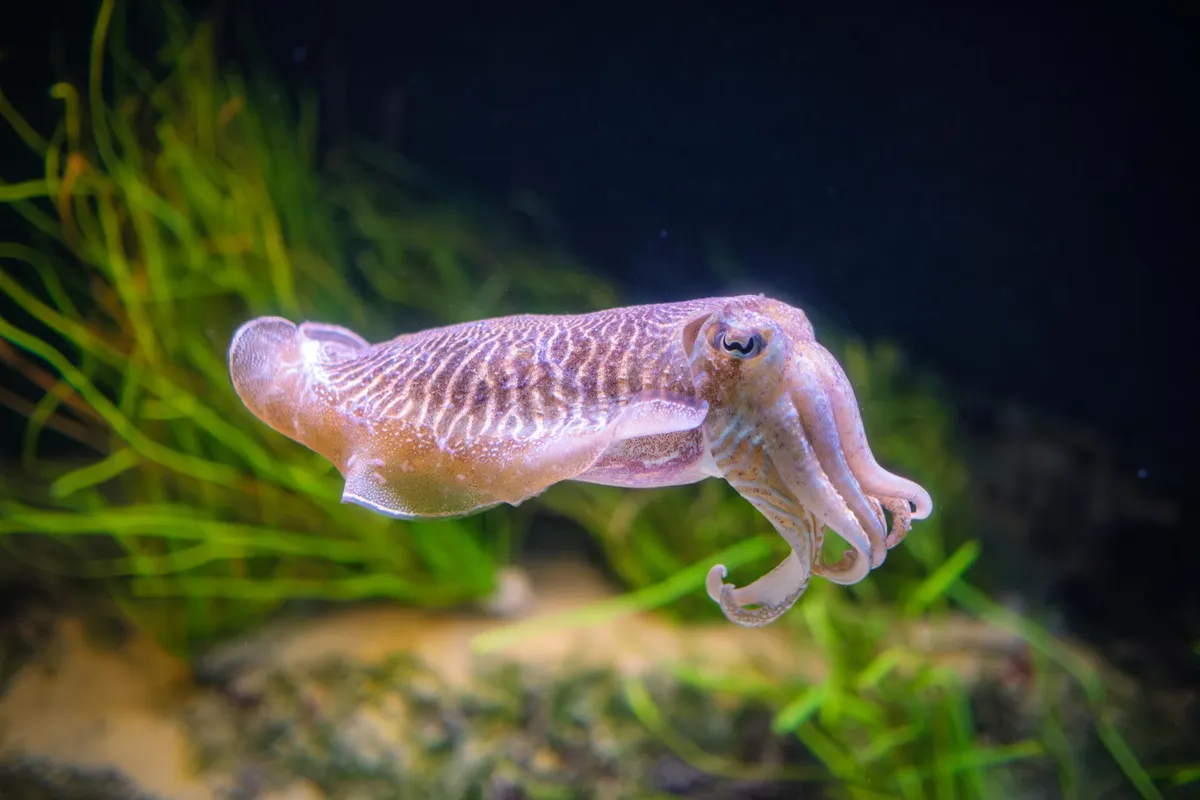
A new study is helping scientists understand how squid and cuttlefish evolved. These creatures, known for their quick color changes and jet propulsion, have always been a mystery due to few fossils and incomplete genetic data.
Researchers at the Okinawa Institute of Science and Technology (OIST) combined existing genetic information with three new squid genomes. Their findings, published in Nature Ecology & Evolution, show a "long fuse" pattern in the evolution of these ten-limbed cephalopods, called decapodiforms.
Gustavo Sanchez, the study's lead author, explained that squid and cuttlefish evolution has been hard to study. Past ideas about their ancestry were based on limited information. The new genomic data helps solve some of these long-standing puzzles.
We're a new kind of news feed.
Regular news is designed to drain you. We're a non-profit built to restore you. Every story we publish is scored for impact, progress, and hope.
Start Your News DetoxUnpacking Diversity and Traits
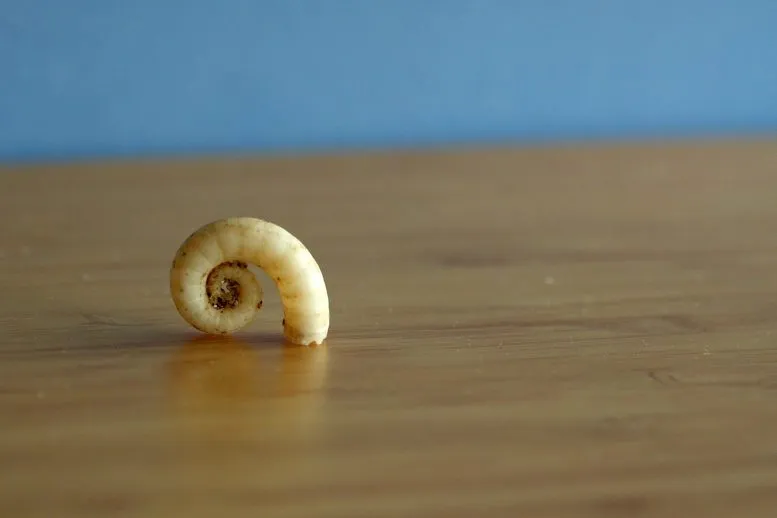
Squid and cuttlefish live in many places, from deep oceans to coastal areas. Most have an internal shell, but its shape varies. Cuttlefish have rounded cuttlebones, many squid have thin, blade-like gladii, and ram’s horn squid have spiral shells. Some shallow-water species have no shell at all.

Earlier attempts to map their family tree were often misleading because the data wasn't detailed enough. Sanchez noted that whole genome data now gives a clearer picture of their evolution.
Studying these genomes is tough. Squid and cuttlefish genomes can be twice the size of a human's, needing advanced technology and lots of computing power. Also, getting fresh DNA from deep-sea species is difficult. Sanchez mentioned they were lucky to find key species in Okinawa and collaborate with others for harder-to-get samples.
A Global Effort Reveals Deep-Sea Origins
This study created the first full evolutionary tree for decapodiforms, using genomes from almost all major groups. This was a five-year international project, with Sanchez leading Japan's part.
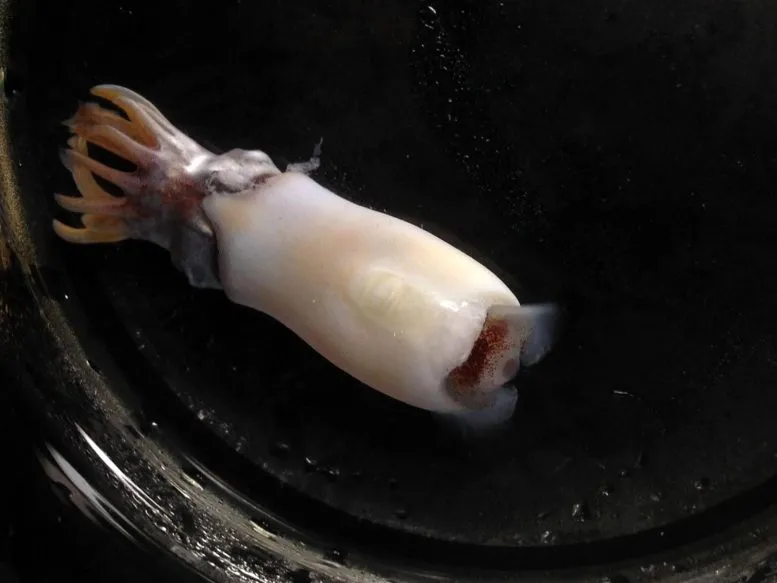
Co-author Dr. Fernando Á. Fernández-Álvarez focused on the unique ram’s horn squid, Spirula spirula. Its distinct internal shell had previously led some scientists to wrongly link it with cuttlefish. Fernández-Álvarez believed its genome would help clarify broader cephalopod evolution.
By combining genetic data with fossil evidence, the team mapped out when and how squid and cuttlefish began and diversified. Sanchez said their analysis shows these animals started in the deep ocean, where species like the ram’s horn squid still live.
Major decapodiform groups split rapidly about 100 million years ago, during the mid-Cretaceous period. Then, about 66 million years ago, a mass extinction event wiped out most life on Earth, including dinosaurs.
Surviving Extinction and Rapid Diversification
Researchers suggest early cephalopods survived by hiding in small, oxygen-rich areas of the deep ocean. Sanchez explained that the sea surface was harsh, with few suitable habitats and acidic waters that would damage their shells. The fact that they kept some form of shell shows their deep-ocean origins.
As ecosystems recovered, coral reefs grew along coastlines, creating new homes. Many ten-limbed cephalopods then moved into these shallower waters.
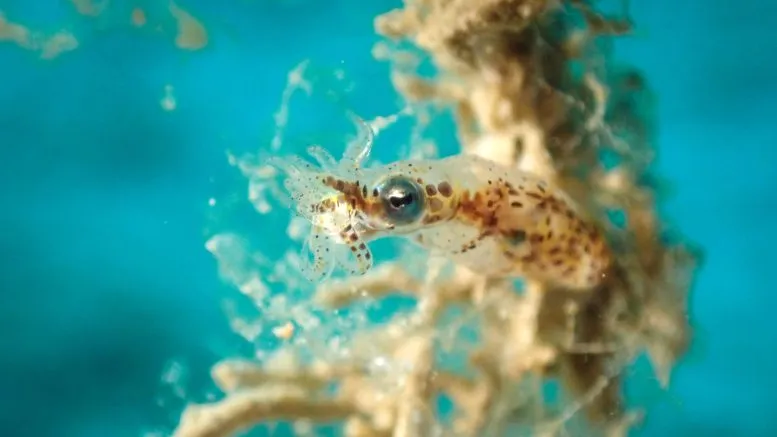
Sanchez noted that after the initial splits in the Cretaceous, there wasn't much change for millions of years. But after the extinction event, there was a sudden burst of diversity as species adapted to new environments. This is the "long fuse" model: a quiet period followed by an explosion of new species.
This research provides a strong foundation for understanding how squid and cuttlefish developed their unique traits. Professor Daniel Rokhsar, head of the Molecular Genetics Unit, believes these genomes will help uncover the genetic changes behind major cephalopod innovations, like new organs, camouflage, and complex behaviors.
Deep Dive & References
Rapid mid-Cretaceous diversification of squid and cuttlefish preceded radiation into coastal niches - Nature Ecology & Evolution, 2026