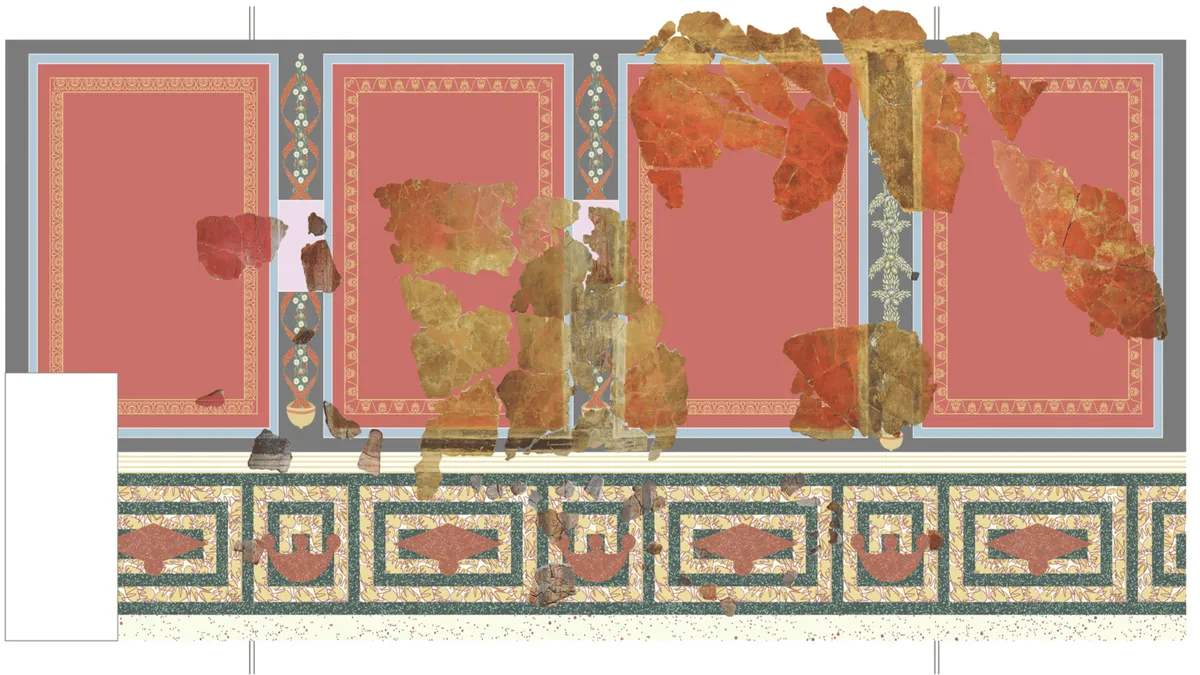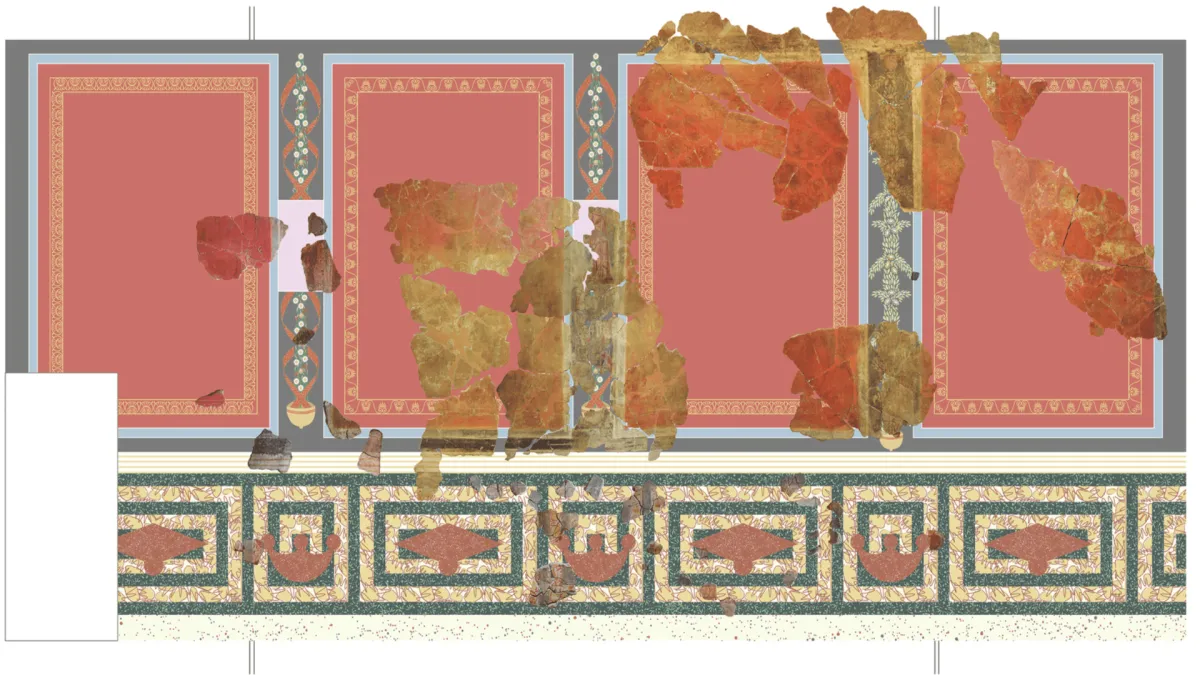
Turns out, ancient Roman interior decorators were not just artists; they were also pretty sharp chemists. A new study of 2,000-year-old wall paintings in Cartagena, Spain, has unveiled a seriously clever paint recipe that kept those vibrant reds popping for millennia.
These aren't just any old frescoes; they're from the Domus of Salvius, a Roman house where apparently, quality and budget had to coexist. And the painters? They figured out how to make that happen.
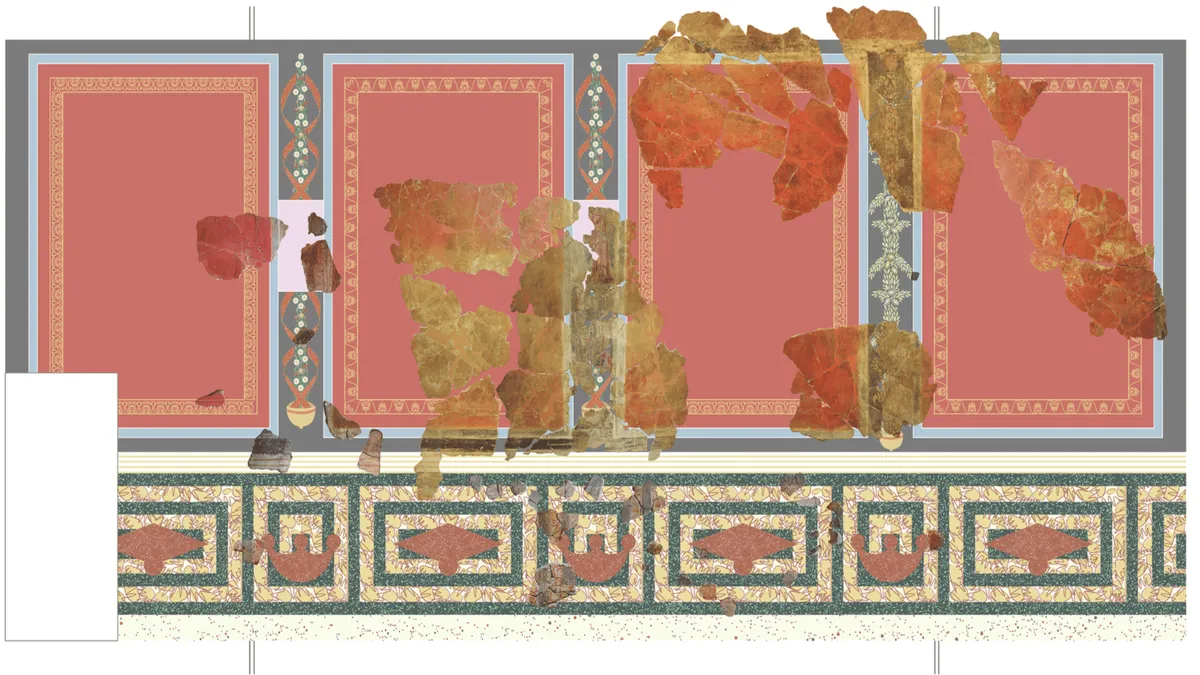
The Original Paint Hackers
Cinnabar, a mineral so bright red it practically screams, was the haute couture of Roman pigments. It was so expensive they literally called it "red gold." Now, if you're a painter in Hispania (ancient Spain), you've got a client who wants that dazzling red, but maybe not the gold-level price tag. What do you do?
We're a new kind of news feed.
Regular news is designed to drain you. We're a non-profit built to restore you. Every story we publish is scored for impact, progress, and hope.
Start Your News DetoxYou get creative. These ancient artisans mixed cinnabar with a much cheaper material, iron oxide, to stretch that precious red. But here's the chef's kiss detail: they didn't just slap it on the wall.
First, they applied a yellow primer called goethite. This wasn't just for kicks; it was a protective layer. It shielded the cinnabar, lime, and iron oxide mixture, ensuring the red stayed vibrant and didn't fade into a sad, dusty pink. Let that sink in: they were using primers to protect their paint two millennia ago.
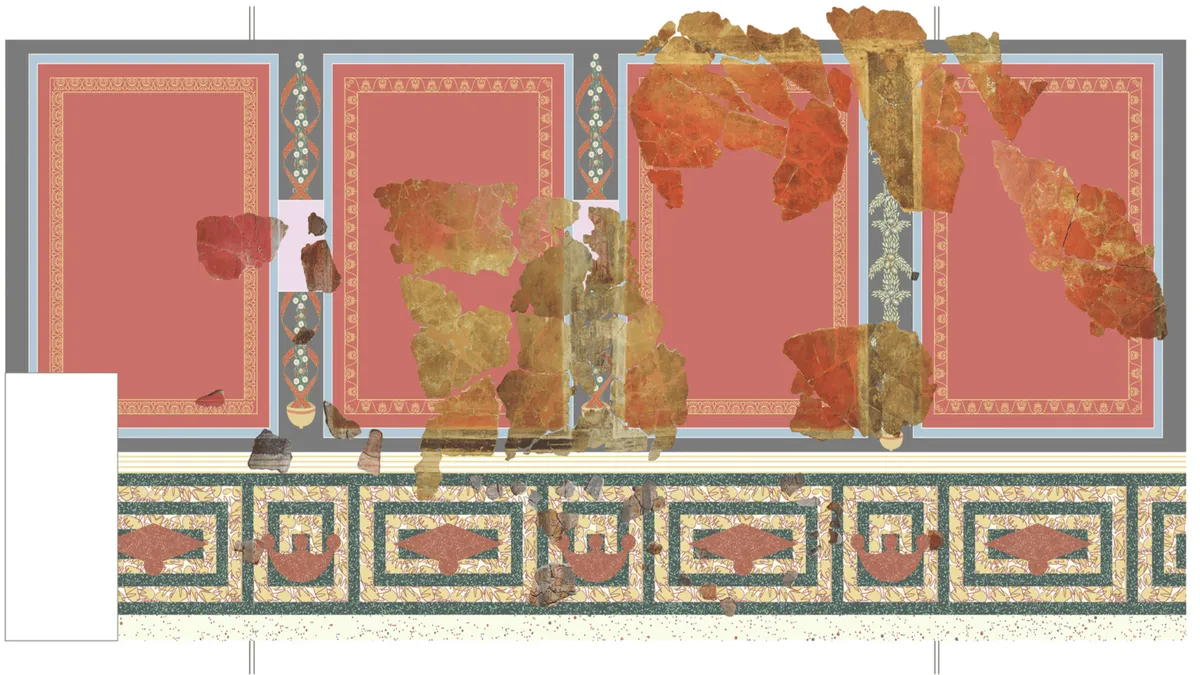
This isn't just a fun fact; it's evidence of a sophisticated understanding of material science. These Roman craftsmen knew their stuff, likely passing down these "recipes" in workshops or even written guides. Because apparently, even back then, you needed a good manual for a durable finish.
Chemists from the University of Córdoba teamed up with archaeologists from the University of Murcia, pulling out the big guns like X-ray diffraction and Raman spectroscopy to get to the bottom of this ancient pigment puzzle. They confirmed that local materials were used for the mortars, and more importantly, they identified the specific techniques that made that cinnabar sing.
The findings even pushed back the timeline for cinnabar use, suggesting it was still very much in vogue when archaeologists thought it had faded from favor. Similar discoveries in Ephesus hint at a widespread "family of recipes" for applying cinnabar on large surfaces. Which, if you think about it, is both impressive and slightly terrifying. Imagine accidentally using the wrong primer and ruining a 2,000-year-old masterpiece.