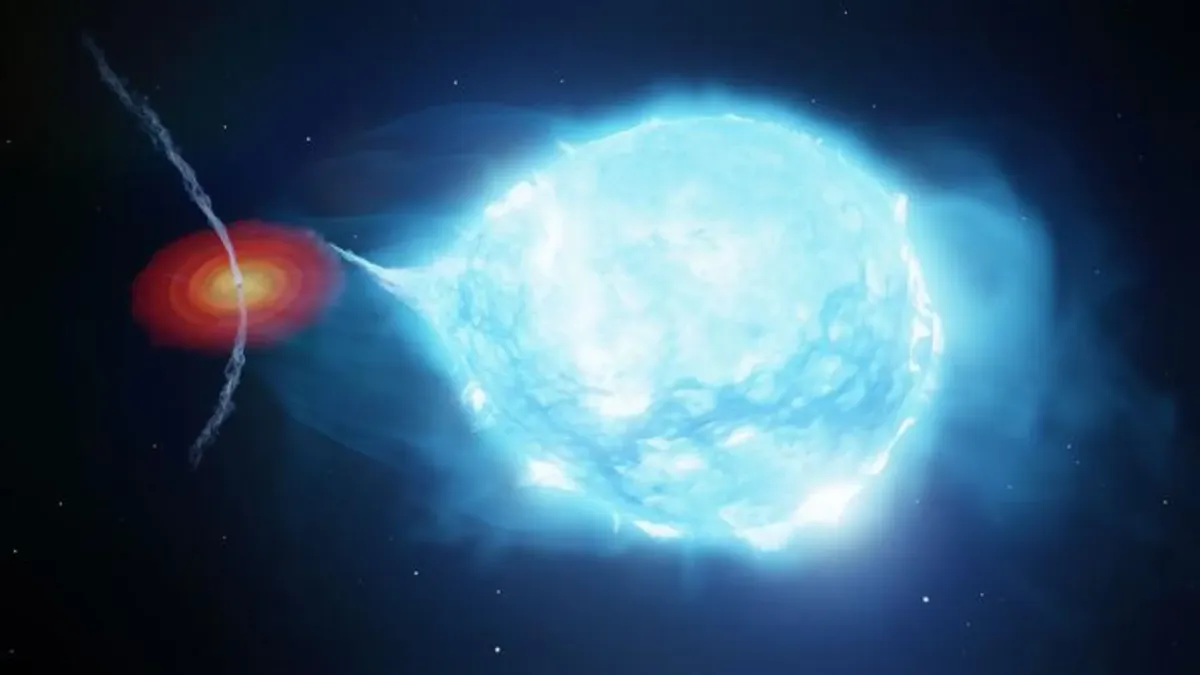
Imagine a cosmic vacuum cleaner so powerful it sucks in gas, then blasts out jets of pure energy at half the speed of light. That's Cygnus X-1, a black hole 7,200 light-years away, and scientists just clocked its output: 10,000 suns' worth of power. Yes, 10,000 suns.
For the first time, a team from Curtin University, using a global network of radio telescopes, measured the speed and power of these jets. They found Cygnus X-1's jets are firing material into space at 150,000 kilometers per second. Which, if you think about it, is both impressive and slightly terrifying.
The Black Hole That Dances
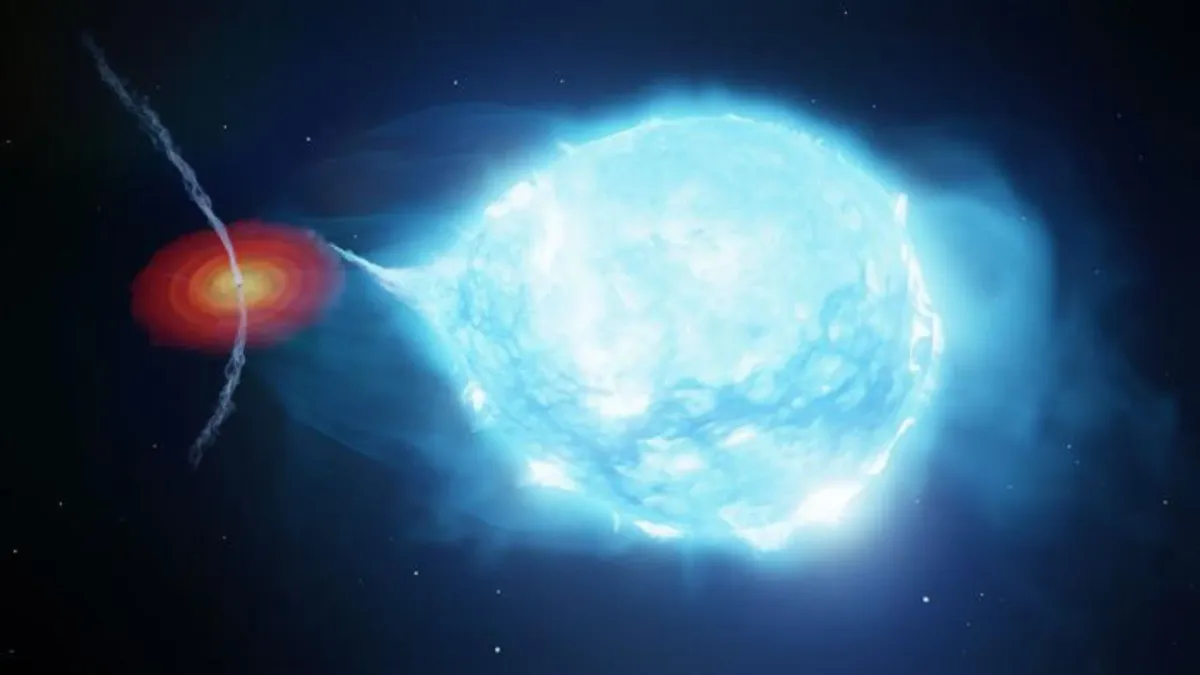
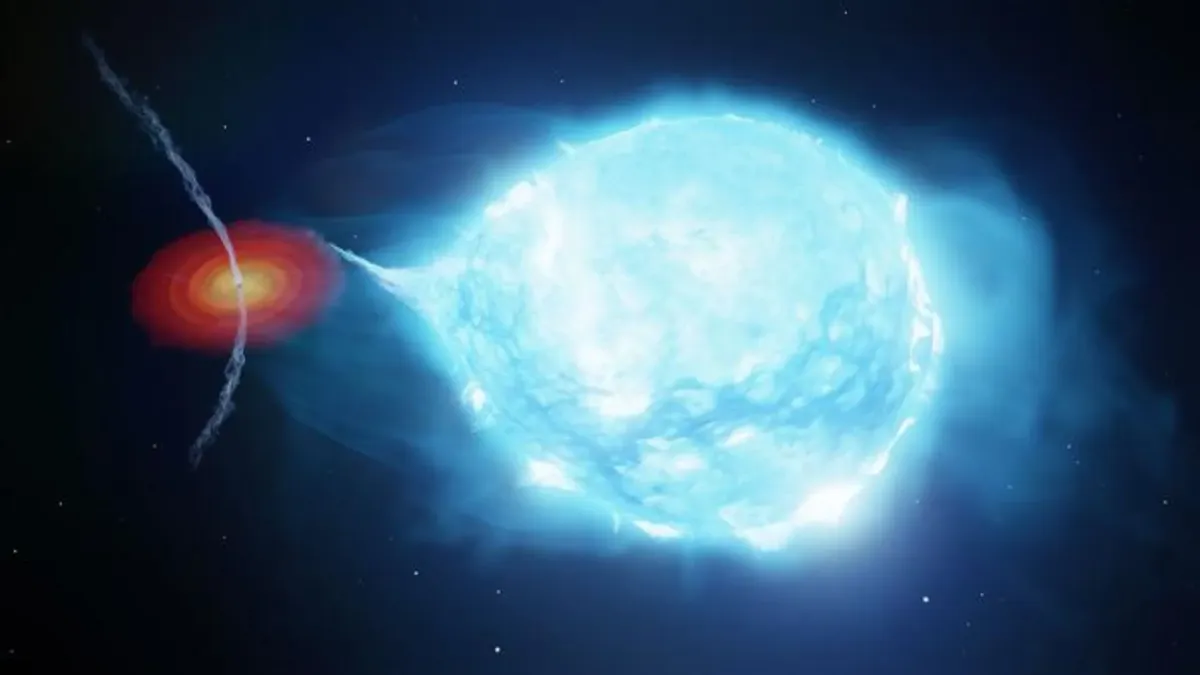
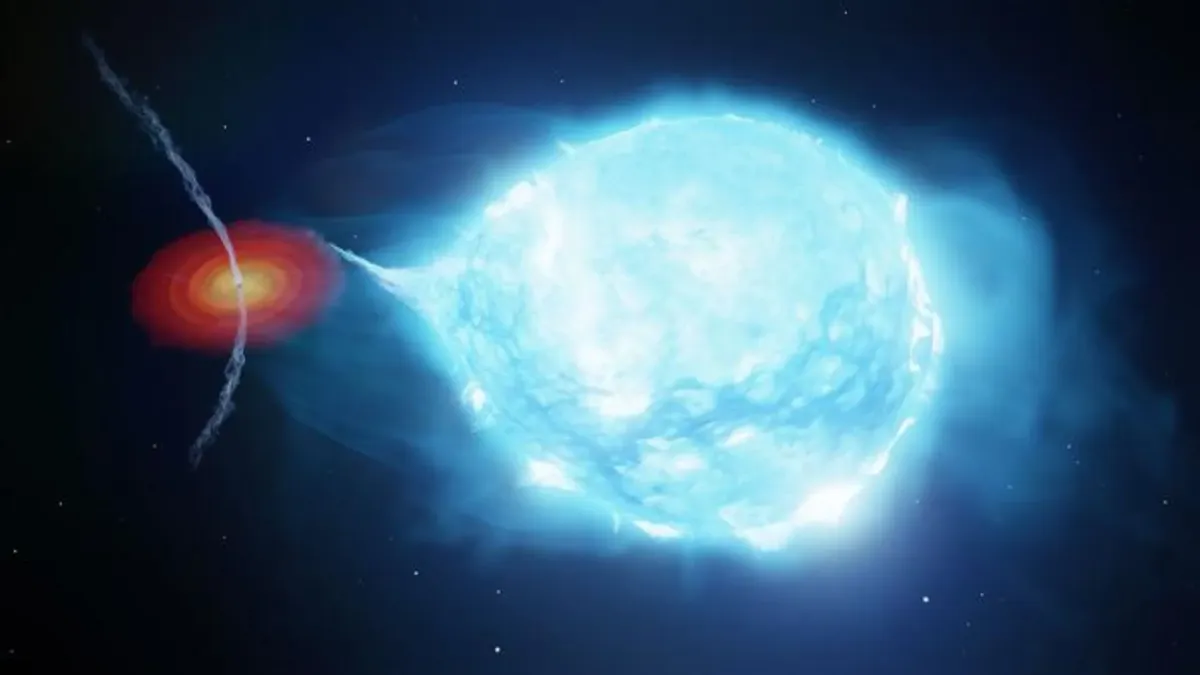
Cygnus X-1 holds a special place in cosmic history: it was the first celestial object ever confirmed to be a black hole. It's a behemoth, 21 times the mass of our own Sun, locked in a gravitational tango with a massive supergiant star. As it orbits, the black hole siphons gas from its companion, forming a swirling, glowing disk that pumps out X-rays and, you guessed it, those incredibly fast jets.
We're a new kind of news feed.
Regular news is designed to drain you. We're a non-profit built to restore you. Every story we publish is scored for impact, progress, and hope.
Start Your News DetoxMeasuring something this far away is usually a cosmic headache. But Dr. Steve Prabu and his team employed a clever trick. They used a "telescope the size of the Earth" – a network of linked radio dishes – to literally watch the jets get pushed around. Cosmic winds, generated by the companion star, hit the jets and bend them. By measuring how much they bent, the team could calculate the immense power behind them.
This isn't just a cool party trick. Astronomers have long used computer simulations to understand how galaxies grow, and these models have always operated on a big assumption: that about 10% of the energy from matter falling into a black hole gets converted into these powerful jets. It was a well-educated guess, but a guess nonetheless.
Now, thanks to Cygnus X-1's "dancing jets," that guess is confirmed. "We can now use this measurement to anchor our understanding of jets," said co-author Professor James Miller-Jones. It turns out the physics holds true whether a black hole is 10 times or 10 million times the mass of the Sun. That 10% rule? Spot on.
These jets are more than just cosmic fireworks; they're essential architects of the universe. They inject energy into the vast gas clouds between stars, preventing new stars from forming too quickly and, in doing so, helping to regulate how entire galaxies grow. Because apparently, even the most destructive forces in the universe have a sense of galactic urban planning.
As the Square Kilometer Array (SKA) — a next-generation telescope — goes online in Western Australia, it will allow astronomers to observe millions of these jets across the universe. And now, they have a confirmed yardstick to measure them against, all thanks to one very powerful, very distant, and rather bendy black hole.