Scientists have found the clearest picture yet of what happened 773,000 years ago when the ancestors of modern humans, Neandertals, and Denisovans were still one population — before they became three separate branches.
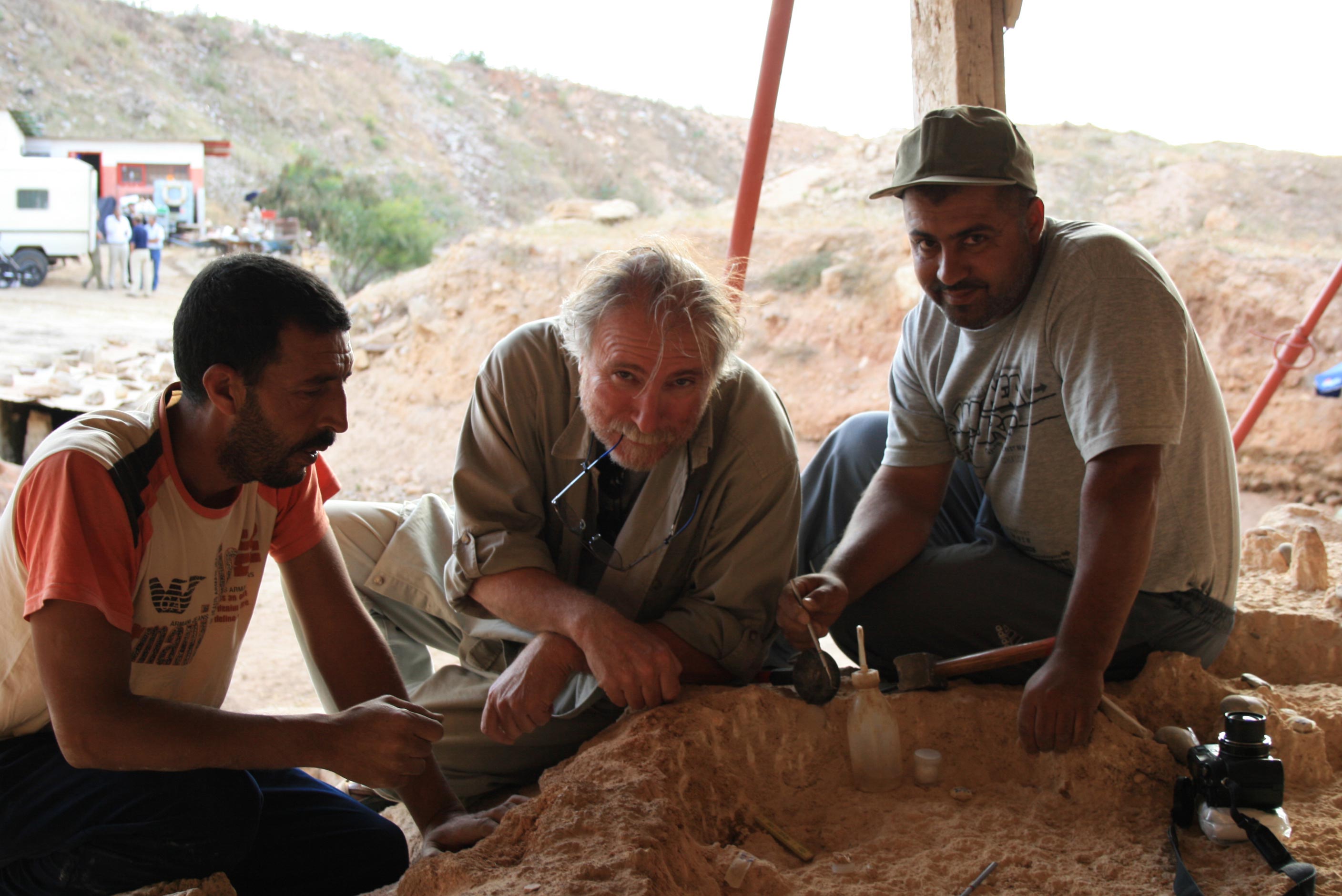
The fossils come from Thomas Quarry I, a cave system near Casablanca, Morocco. Researchers from France, Germany, Italy, and Morocco worked together over thirty years to excavate and analyze the remains. What makes this discovery unusual isn't just the fossils themselves, but how precisely they could date them.
The geometry of deep time
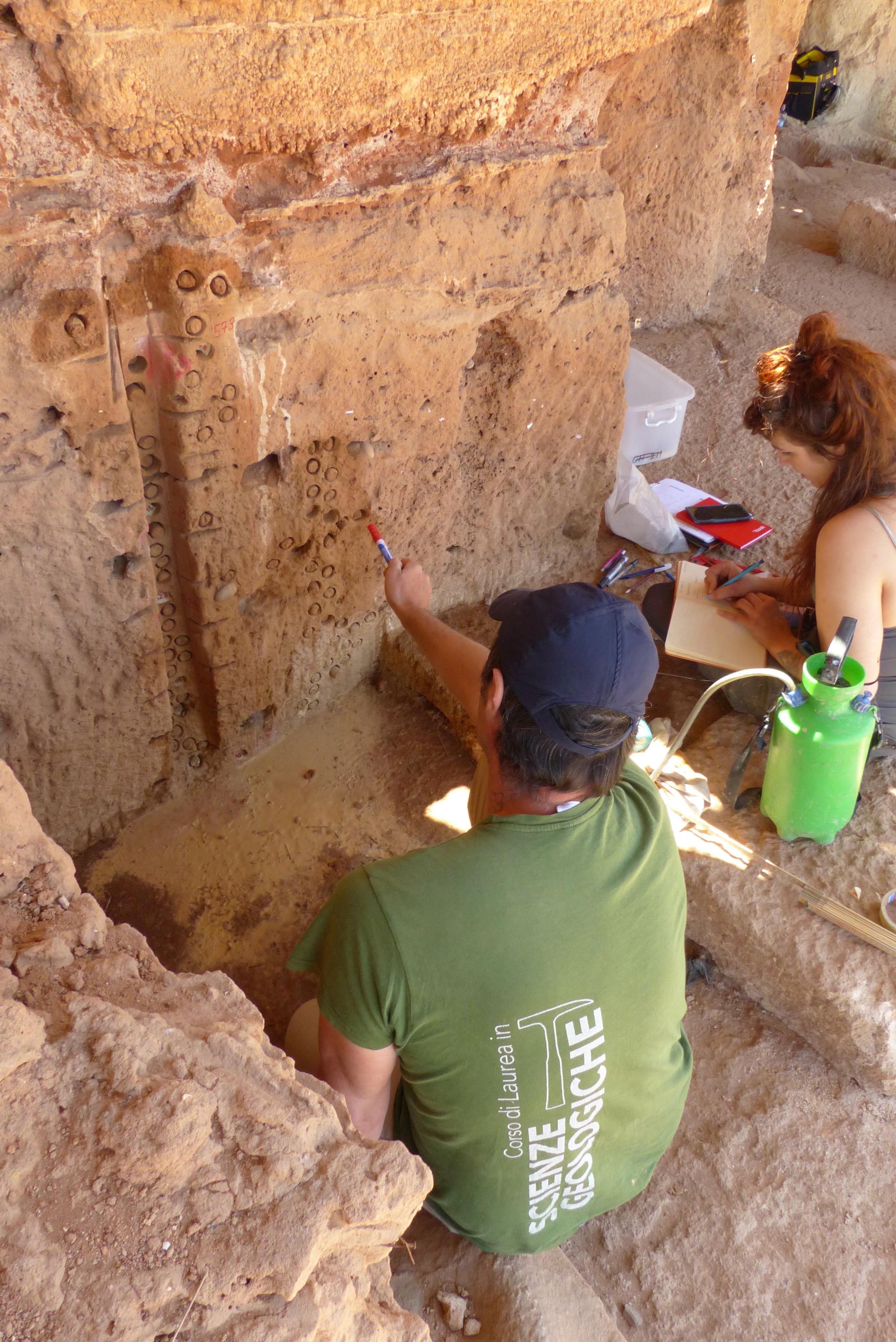
The cave sits in a coastal region shaped by ancient sea level changes, which created layers of sand and rock stacked like a geological record. As sediments piled up rapidly around the hominin remains, they trapped a magnetic signal — a snapshot of Earth's magnetic field at that exact moment. The researchers used the Matuyama–Brunhes magnetic reversal (a known moment when Earth's magnetic poles flipped) as an anchor point, pinpointing these fossils to 773,000 years ago, plus or minus 4,000 years. That's the kind of precision that usually isn't possible with remains this old.
We're a new kind of news feed.
Regular news is designed to drain you. We're a non-profit built to restore you. Every story we publish is scored for impact, progress, and hope.
Start Your News Detox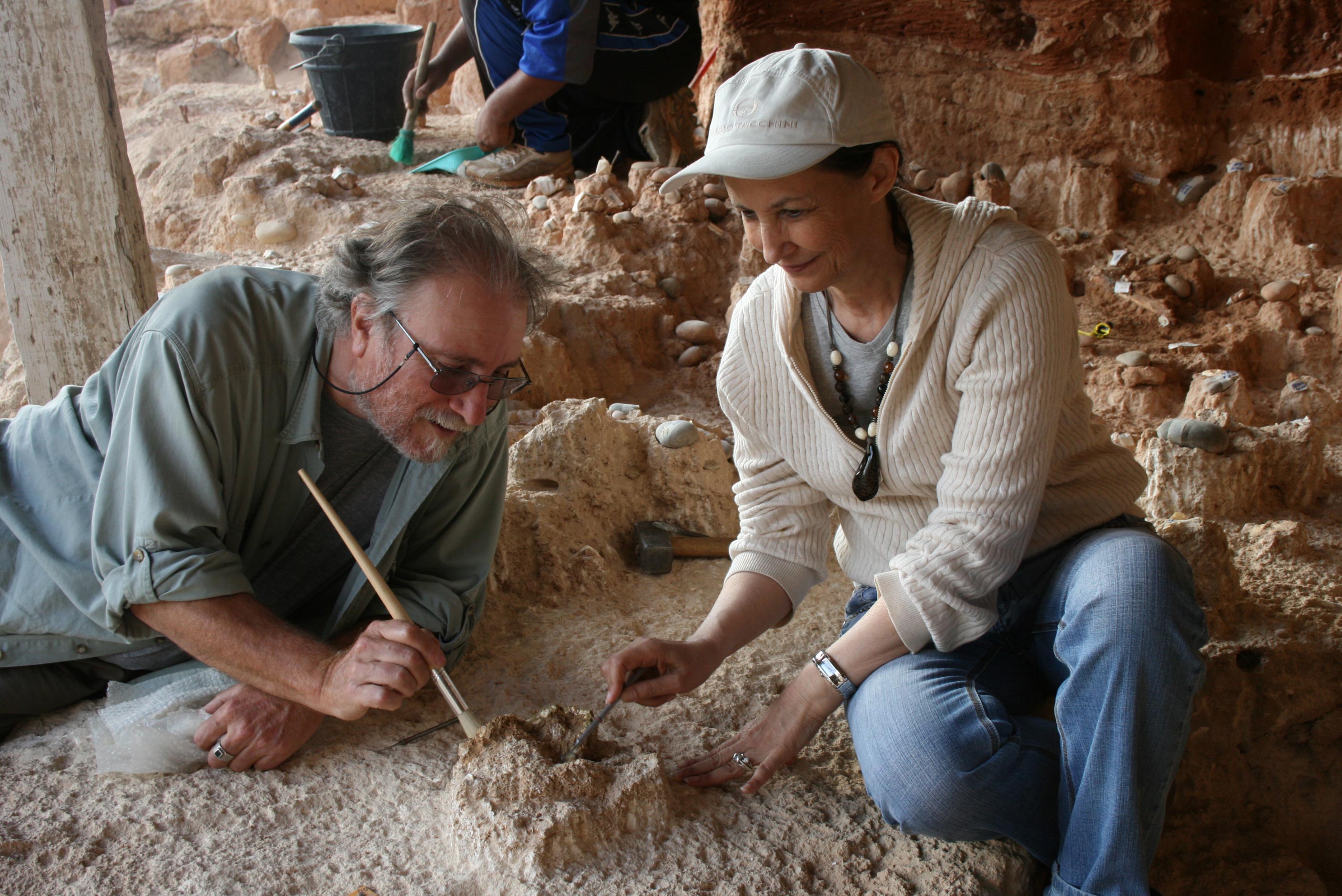
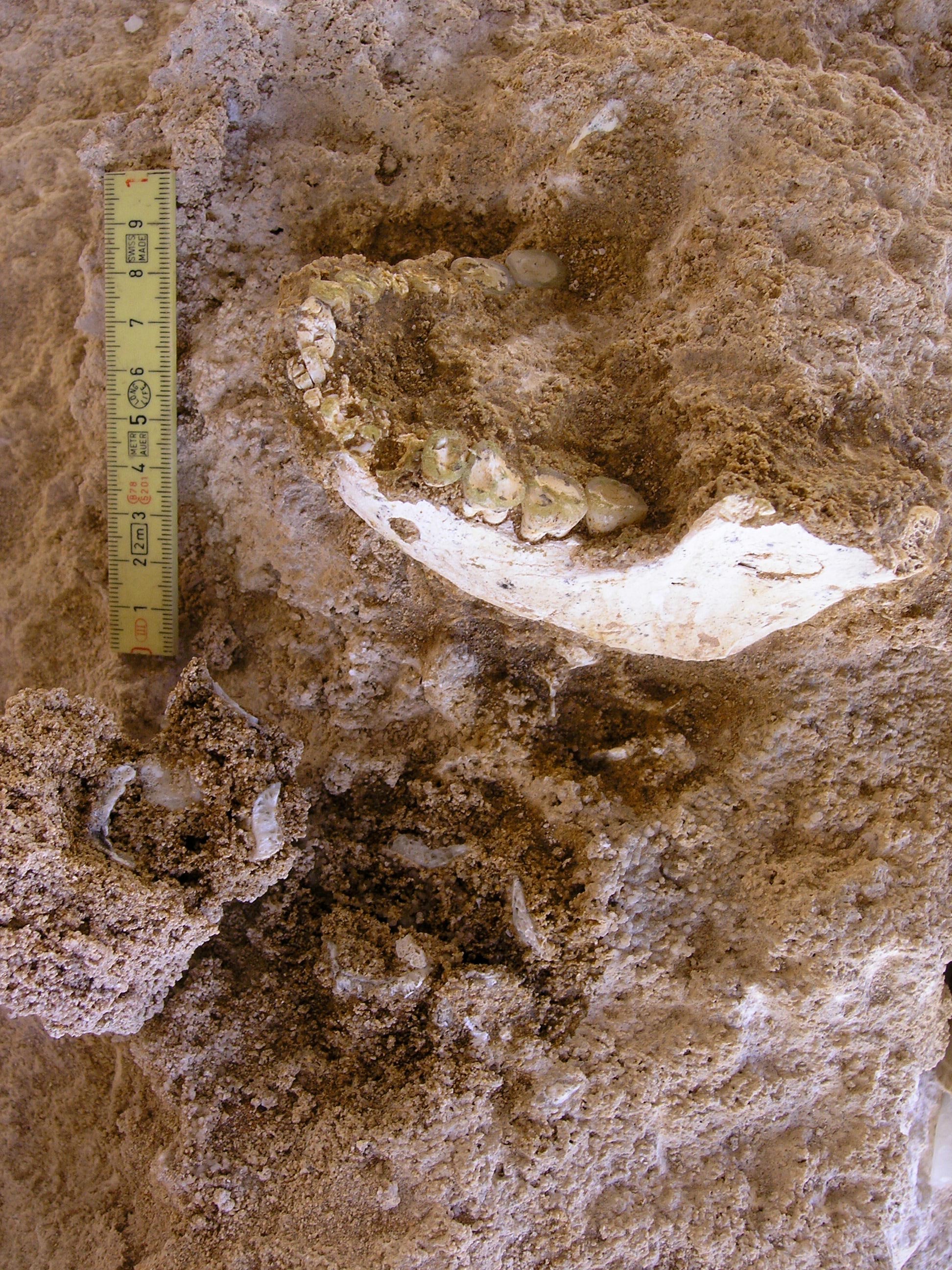
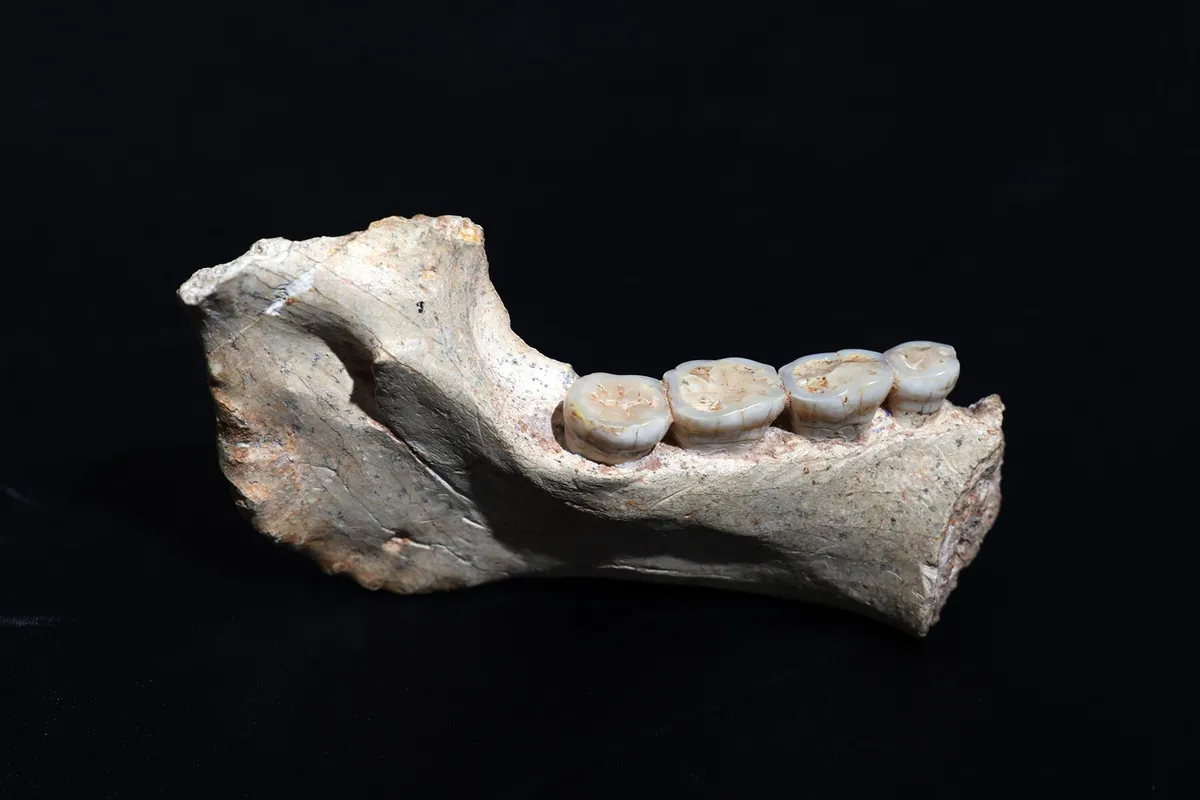
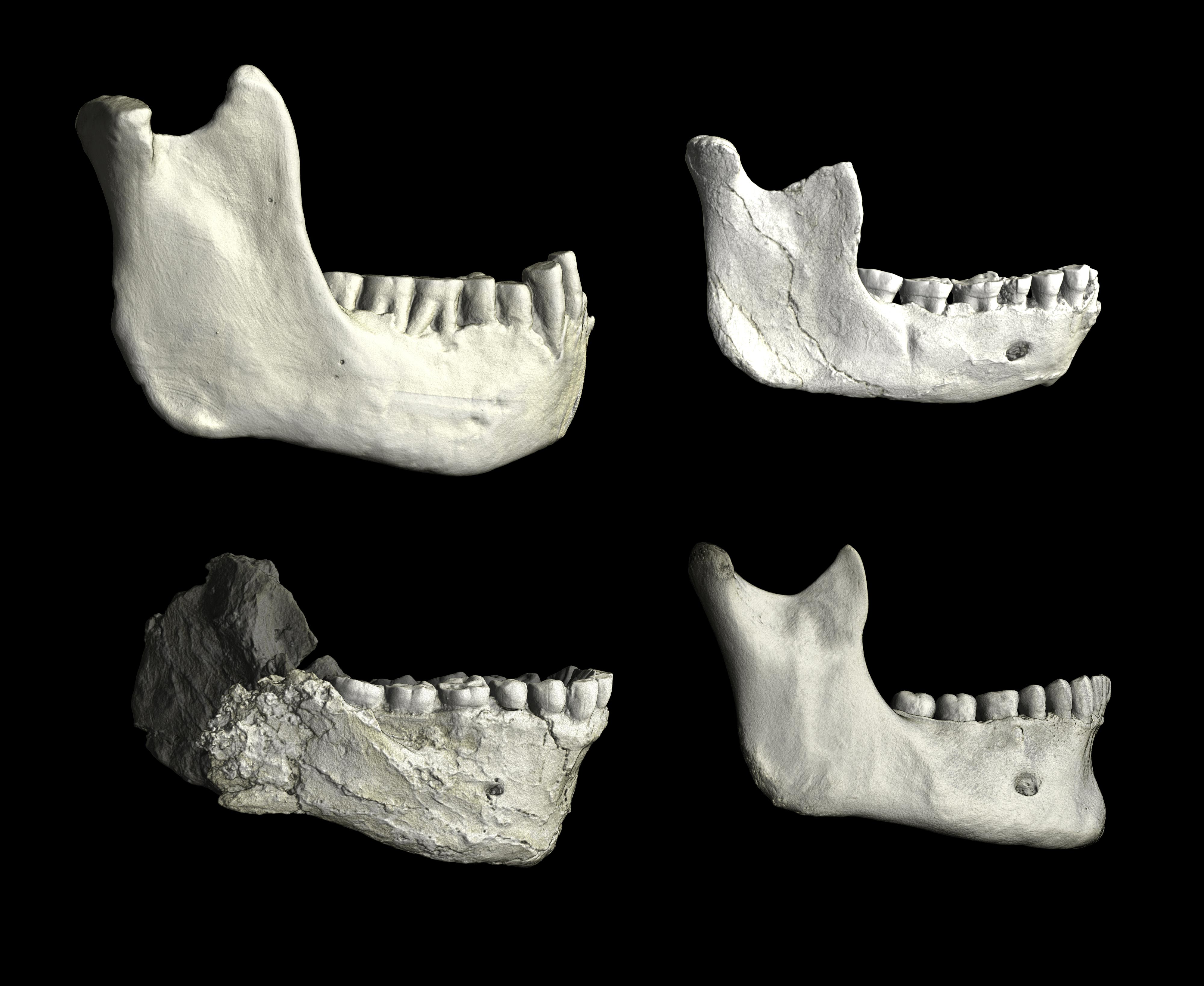
When the team analyzed the teeth and jaw fragments, they found something revealing. The hominins from this cave had a mix of older and newer traits — some features that looked back to earlier human ancestors, others that pointed forward. Crucially, they were distinct from both Homo erectus and earlier known species, yet they showed some similarities to populations that lived in southern Europe at the same time. This suggests that even 773,000 years ago, human groups in Africa and Europe were connected, at least occasionally.
Why this matters now
The bigger picture is that these Moroccan hominins may represent something we've struggled to find: the common ancestor of three species that would eventually diverge across the world. Homo sapiens stayed in Africa and then spread globally. Neandertals evolved in Europe and western Asia. Denisovans lived in eastern Asia. But before they split, they shared ancestors. Finding populations close to that branching point — and dating them with this precision — is like finding a family tree's earliest documented generation.
Northwest Africa, it turns out, was a crucial place during this period. When the Sahara dried out, it blocked movement. When it got wetter, it opened corridors that allowed populations to move and mix. The Casablanca region has preserved an exceptional record of these shifts. The thirty-year collaboration between Moroccan and French institutions that made this discovery possible also reveals something else: understanding our origins requires long-term commitment and cross-border partnership.
As researchers continue to excavate and analyze remains from this cave system, they're likely to find more pieces of this puzzle — moments when our species and others were still finding their own paths.