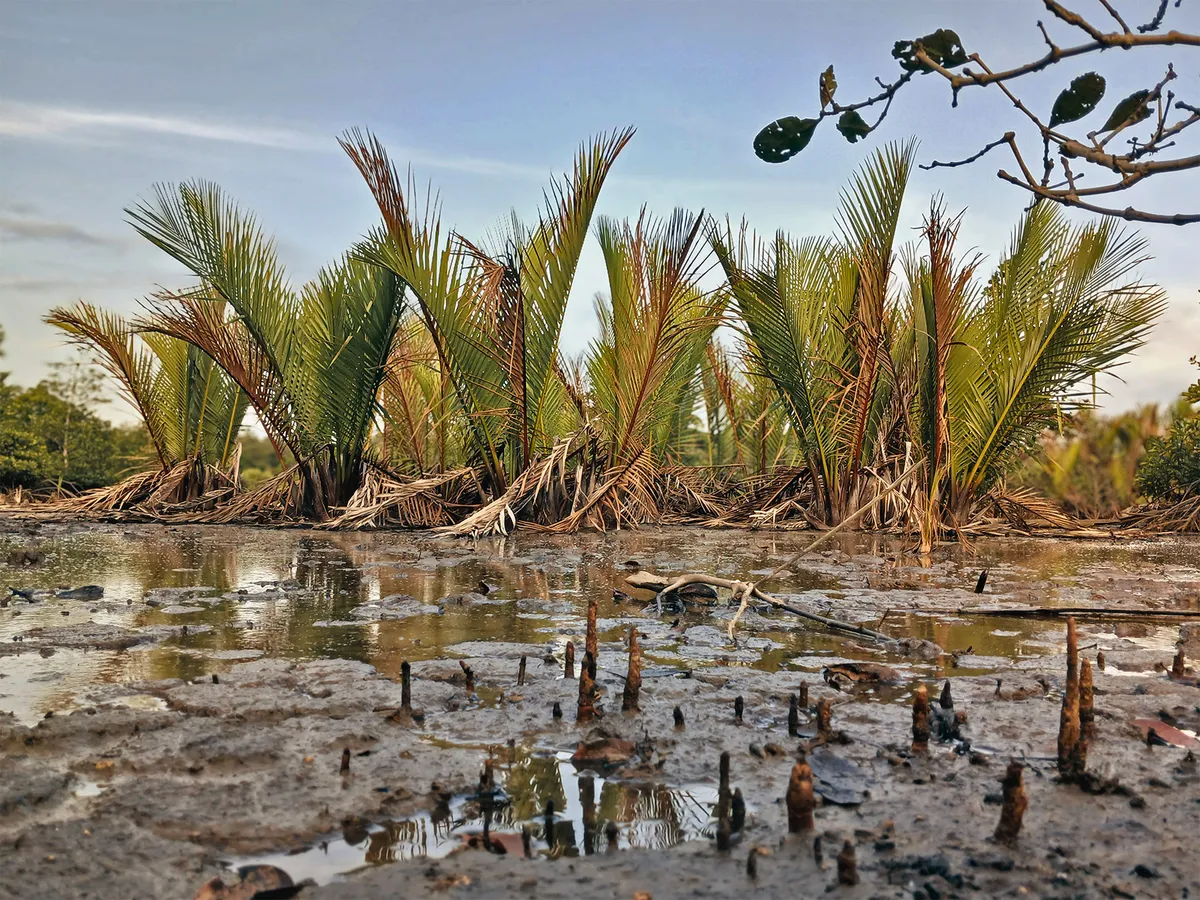
Most farms decide if they're going to fight nature or work with it. The Glinoga Integrated Farm in the Philippines decided to throw a party with it. Tucked among fishponds and mangroves in Quezon province, about a four-hour drive from Manila, this place is less a farm and more a masterclass in ecological cooperation.
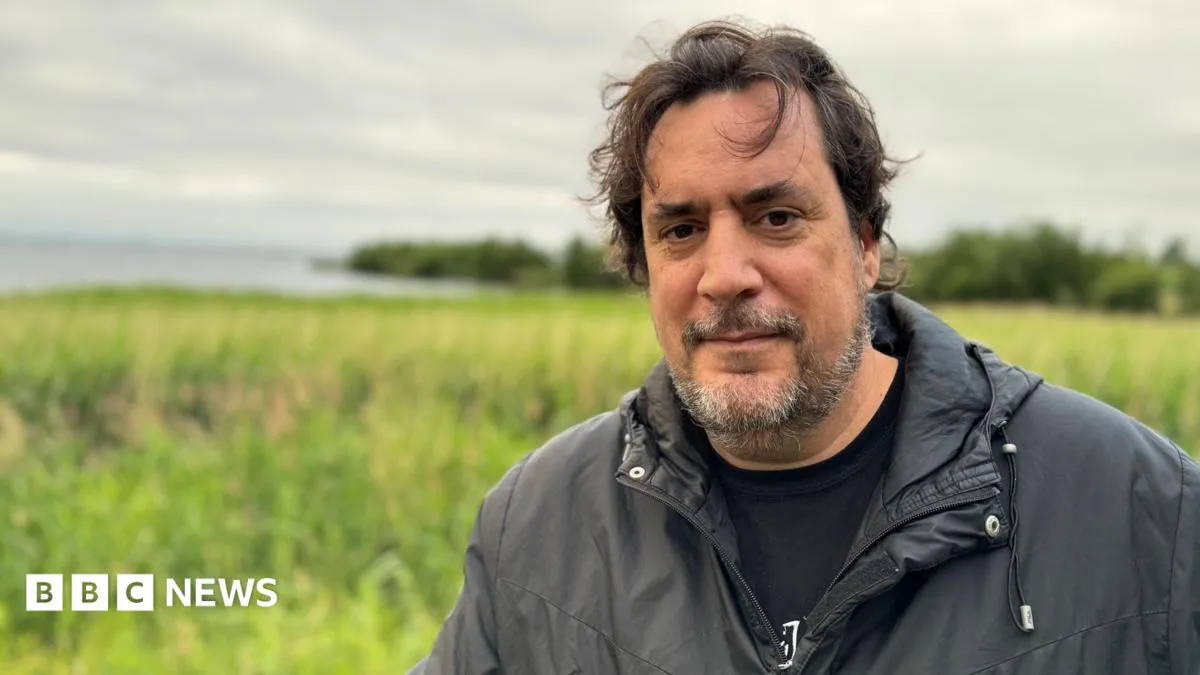
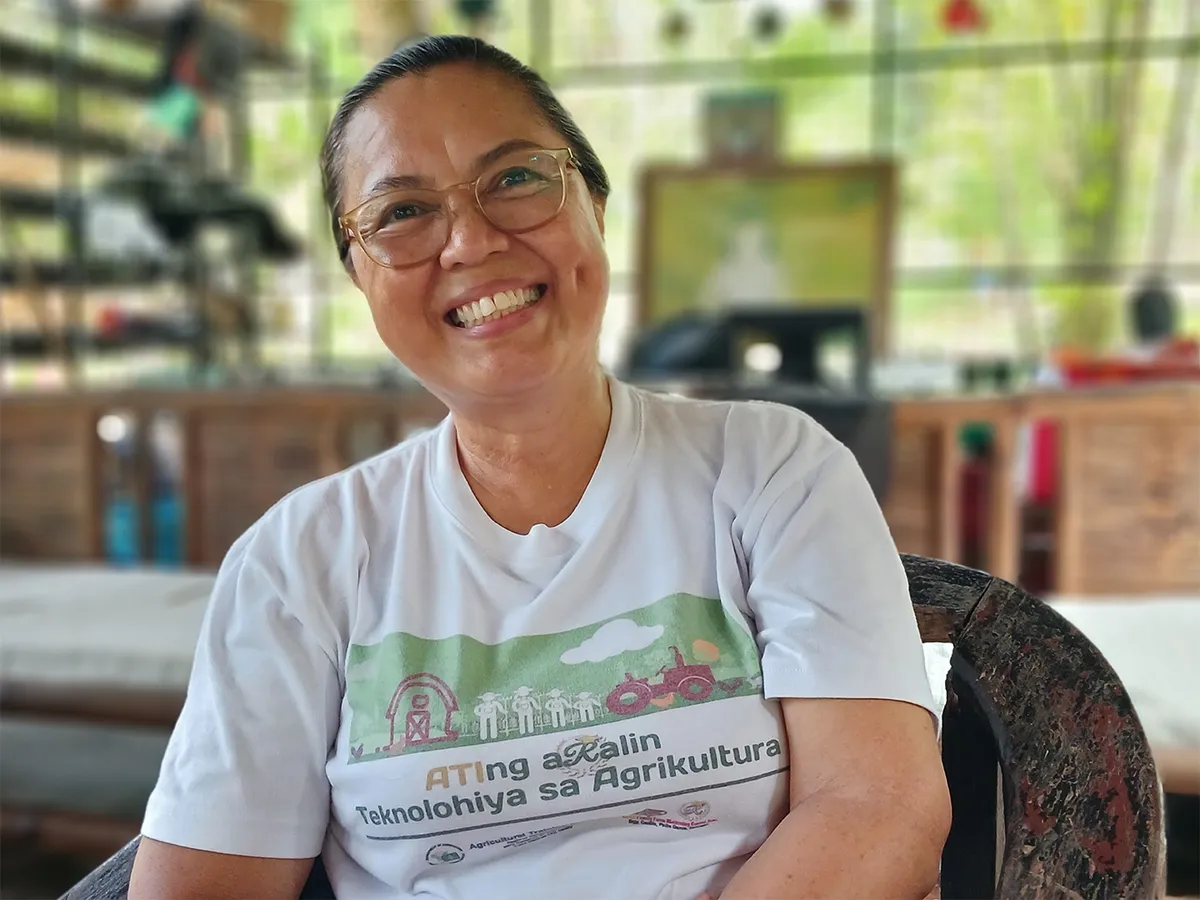
Ninieveh Glinoga, who runs the show, explains they built up the land while keeping the mangroves intact. Why? Because when you're farming in the lowest parts of a coastal area, having a natural flood defense is less a suggestion and more a survival strategy. Coconut trees perch on slopes, leading down to rice paddies and wetlands, mimicking the very coastlines that are, sadly, disappearing elsewhere.

See, most coastal wetlands in the Philippines are getting bulldozed for development. Those wetlands? They're basically the community's bouncer and the local marine life's apartment complex. The Glinoga farm, however, is offering a wild idea: What if you could grow food with the ecosystem, instead of just paving over it?
We're a new kind of news feed.
Regular news is designed to drain you. We're a non-profit built to restore you. Every story we publish is scored for impact, progress, and hope.
Start Your News DetoxThe Great Farm Resurrection
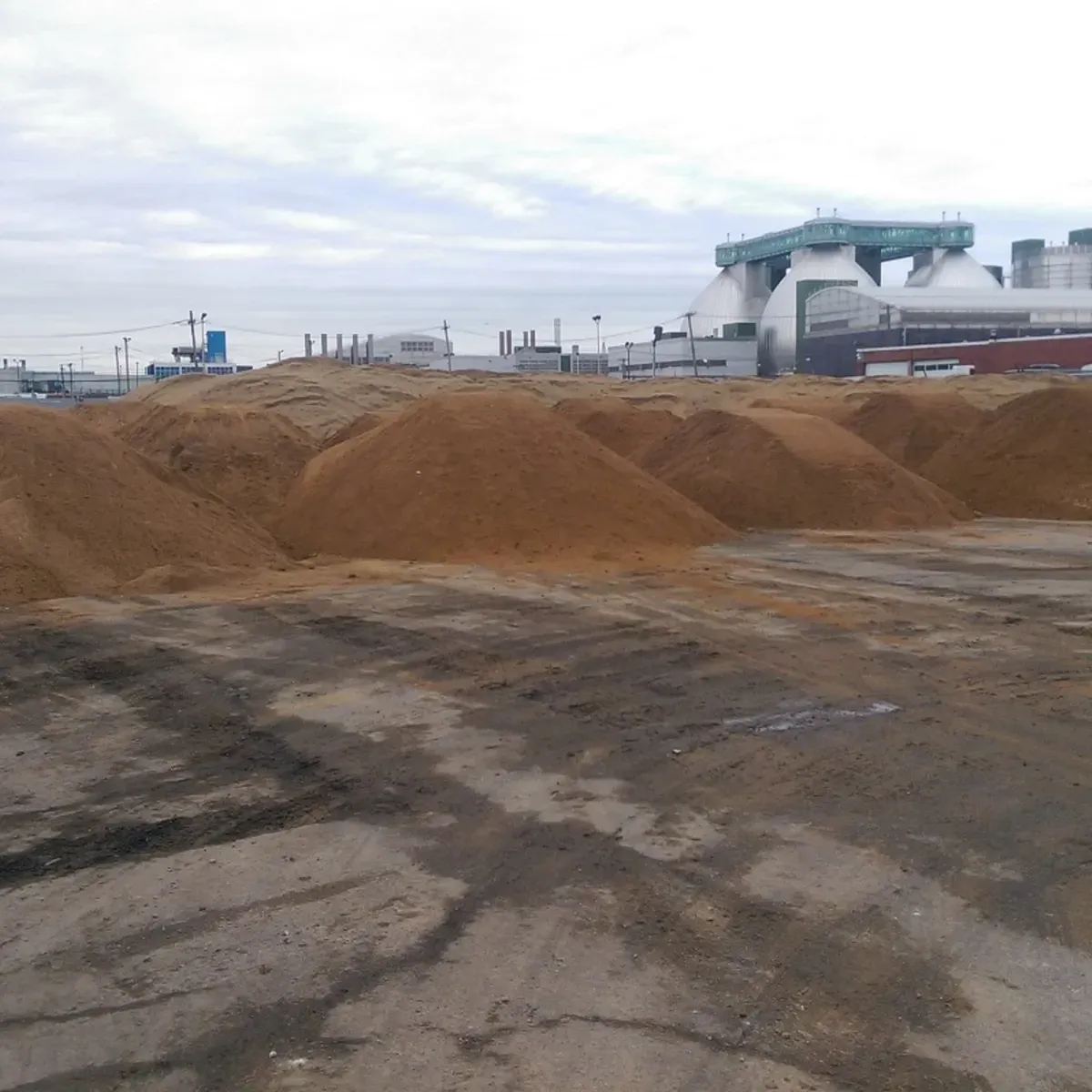
This isn't some brand-new, shiny eco-project. The land has been in Glinoga's husband's family for generations, once a thriving hub of coconuts, cacao, and sugarcane. But then, 2008 rolled around, and the family found their ancestral land looking less like a farm and more like a post-apocalyptic dust bowl.
A tenant, it turned out, had spent years practicing slash-and-burn farming, leaving the soil as barren as a bad stand-up comedian's joke. Glinoga recalls the tenant could only offer them native chicken with salt because there wasn't a single green leaf left on the property. Her grandmother-in-law, the farm's former matriarch, was too old to visit, and the next relative in charge fell ill, leaving the destructive practices to continue unchecked. Now, it's a living, breathing blueprint for how to farm smarter, not harder.