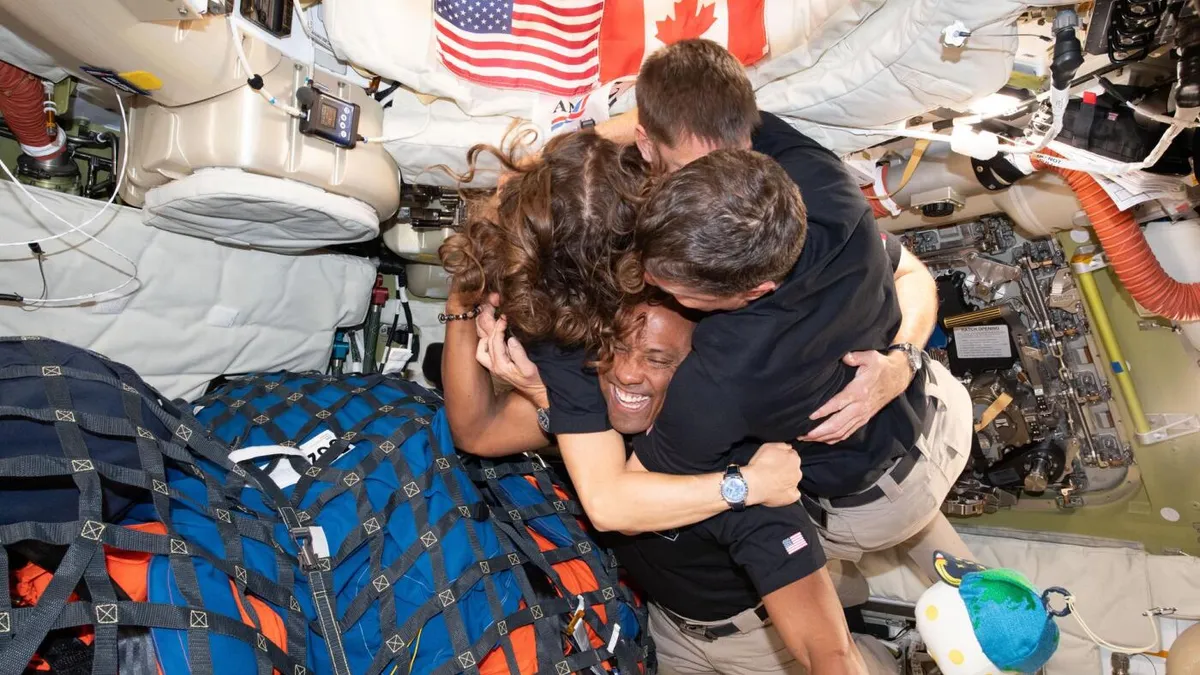
After nine days of hurtling around the moon and back, the Artemis II crew is safely home. NASA astronauts Reid Wiseman, Victor Glover, Christina Koch, and Canadian Space Agency astronaut Jeremy Hansen just went further into space than any human has in over 50 years.
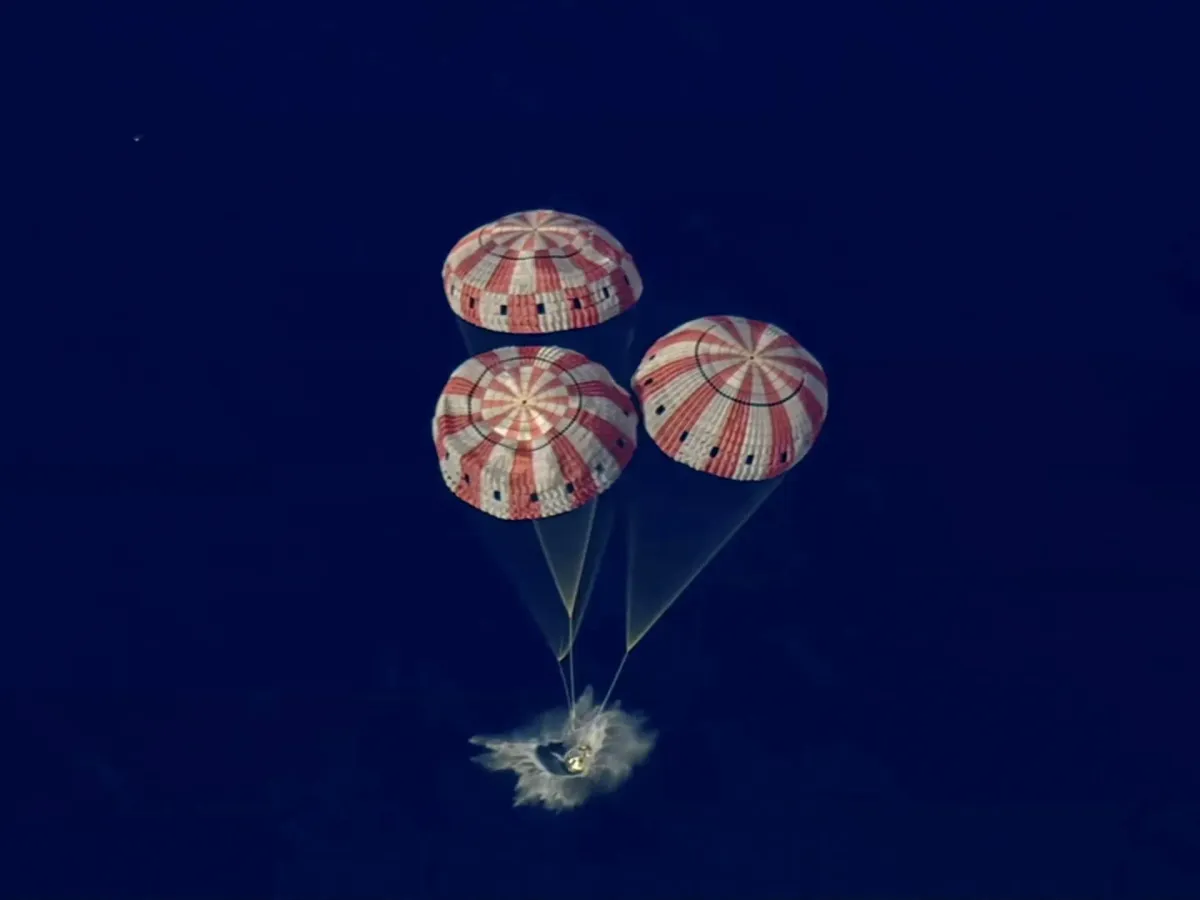
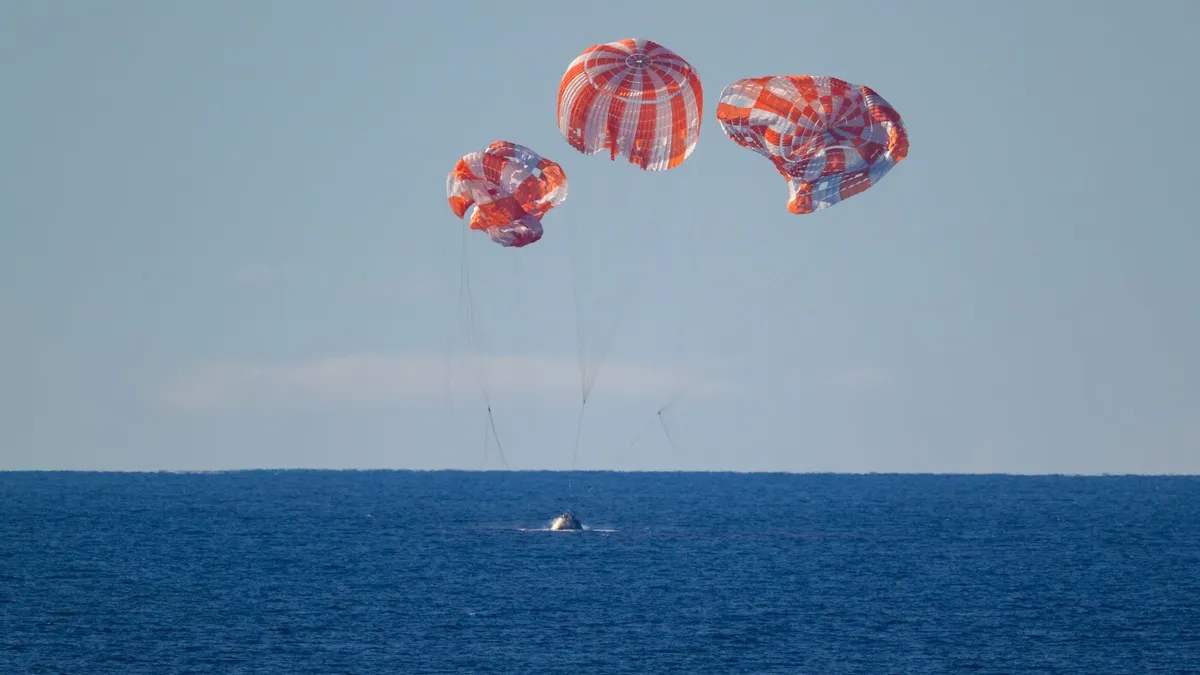
Their ride, the Orion space capsule, splashed down precisely in the Pacific Ocean. This capsule endured some truly wild conditions: entry speeds over 30 times the speed of sound and temperatures reaching a casual 5,000 degrees Fahrenheit. Good thing the heat shield and parachutes worked perfectly. Imagine the warranty claim if they hadn't.
A Whirlwind Tour, Then Right Back to Work
The mission covered a mind-boggling 700,237 miles. A U.S. Navy Dive team recovered the crew, who were then helicoptered off a raft and, within 24 hours, landed at the Johnson Space Center in Houston. Talk about a commute.
We're a new kind of news feed.
Regular news is designed to drain you. We're a non-profit built to restore you. Every story we publish is scored for impact, progress, and hope.
Start Your News DetoxLori Glaze, who heads up the Artemis programs at NASA, celebrated the achievement, noting it was the first time in half a century that four people have been sent to the moon and returned safely. She called it a welcome to a new generation's "moonshot." Because apparently that's where we are now.
The crew's journey took them about 4,000 miles above the moon's far side, where they made countless geological observations and snapped thousands of photos. All of which will help scientists decode the moon's composition and origin. Astronaut Victor Glover, clearly still processing, described Earth as a special "oasis" amidst the universe's vast "emptiness." A perspective that tends to stick with you.
Artemis II was a critical dress rehearsal for the Orion spacecraft, which will ferry future moon-bound astronauts. The crew meticulously tested everything from life support and maneuverability to the heat shield and even the in-flight toilet. Because, as we all know, a working space commode is non-negotiable.
The Relay Race to the Moon
Astronaut Christina Koch summed it up perfectly: their mission was a "relay race." They even bought batons to symbolize passing their hard-earned knowledge to the next crew. Every maneuver, every observation, was executed with future lunar landings in mind. No pressure.
NASA Administrator Jared Isaacman has since sped up the Artemis program, aiming for an annual mission launch. Which means the folks on the ground barely have time to grab a coffee.
Case in point: work for Artemis III began before Artemis II even splashed down. John Giles, NASA's engineering operations manager, is already preparing to move the Artemis II launch platform back to the Vehicle Assembly Building next week. There, they'll start assembling the rocket for Artemis III. Giles, ever the pragmatist, noted there hasn't been much time to relax. Sleep is for the Earth-bound.
The core stage fuel tank for Artemis III's SLS rocket will arrive at Kennedy Space Center later this month, joining parts for the solid rocket motors already on site. Artemis III aims to launch next year, testing spacecraft designed for moon landings. And Artemis IV? That's the one that could finally put humans back on the lunar surface for the first time since 1972. Get ready for some serious moon dust.