Marine algae have a problem you'd think would be welcome: too much sun. Intense light can actually damage photosynthesis, the process that turns light into usable energy. But some algae have evolved a pigment called siphonein that acts like internal sunscreen, letting them harvest energy safely even in punishing conditions. Researchers at Osaka Metropolitan University just figured out how it works—and the mechanism could reshape how we design solar technology.
When chlorophyll absorbs sunlight, it enters what's called an excited state and passes that energy along to reaction centers that drive photosynthesis. Under normal light, this is efficient and safe. But ramp up the intensity, and chlorophyll can slip into a harmful "triplet" state that produces reactive oxygen species—essentially cellular damage. Land plants manage this with carotenoids, pigments that quickly neutralize these dangerous states. The question researchers wanted to answer was whether marine algae, which live in a completely different light environment, had evolved something even better.
They studied Codium fragile, a green seaweed that thrives underwater where blue-green light dominates. Unlike spinach or other land plants, this algae contains unusual carotenoids, including siphonein and siphonaxanthin. Using electron paramagnetic resonance spectroscopy—a technique that directly detects harmful triplet states—the team compared spinach with the algae. In spinach, faint signals from chlorophyll triplets were still measurable. In Codium fragile, those signals vanished entirely. The algae's carotenoids were fully neutralizing the threat.
We're a new kind of news feed.
Regular news is designed to drain you. We're a non-profit built to restore you. Every story we publish is scored for impact, progress, and hope.
Start Your News Detox"Our research has revealed that the antenna structure of photosynthetic green algae has an excellent photoprotective function," said Alessandro Agostini, a co-lead researcher at the University of Padua. By combining these measurements with quantum chemical simulations, the team identified siphonein as the key player. The pigment sits at a critical binding site within the light-harvesting complex, and its electronic structure makes it exceptionally efficient at dispersing excess energy before damage occurs.
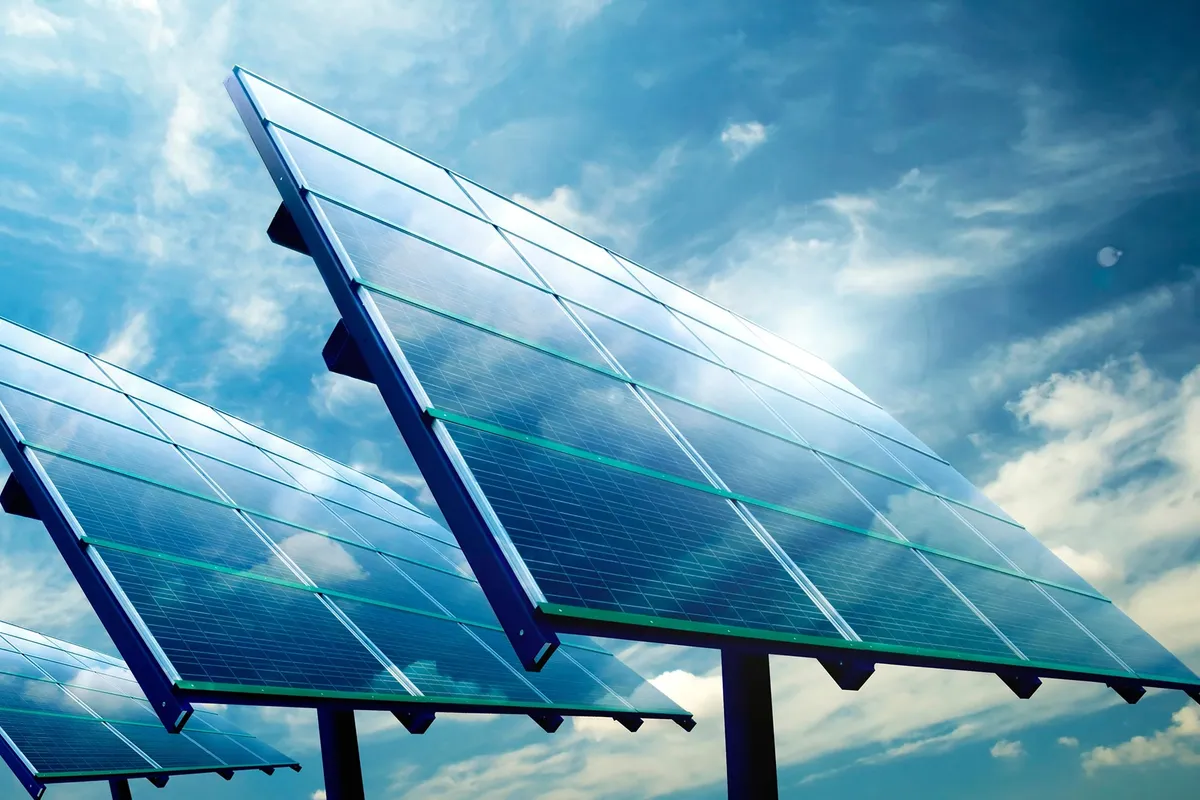
This matters for solar technology because current panels lose efficiency under extreme heat and intense light—the exact conditions where you'd want them to perform best. A solar cell that borrowed siphonein's strategy could theoretically be more durable and efficient, maintaining power output even during peak sun hours or in high-temperature environments. The team is now investigating which structural features of carotenoids make them most effective at this energy-quenching process, with the goal of designing synthetic pigments optimized for photosynthetic antennae.
The study, published in Cell Reports Physical Science, shows how nature often solves problems we're still wrestling with. Sometimes the answer isn't hiding in a lab—it's been working in the ocean for millions of years.