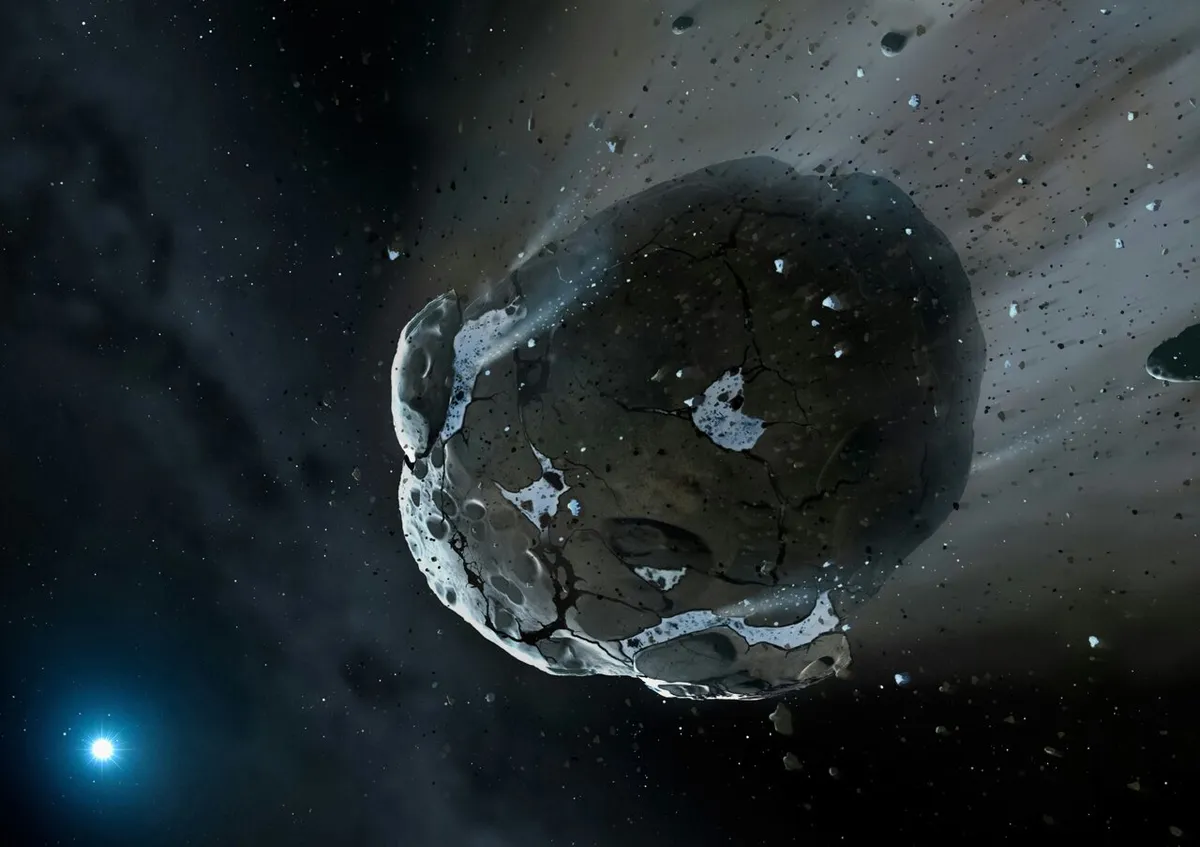
Get this: scientists just found all five essential ingredients for DNA and RNA in a sample from asteroid Ryugu. We're talking about the actual "letters" that make up our genetic code, pulled straight from space.
This isn't just one or two — it's the full set. It's like finding every piece of a secret code, perfectly preserved, from a time capsule billions of years old. And it came to us courtesy of the Japan Aerospace Exploration Agency's (JAXA) Hayabusa2 mission, which snagged these tiny asteroid bits in 2020.
Back in 2023, a team found one of these "letters," called uracil. But now, a Japanese science team has confirmed the whole gang: adenine, guanine, cytosine, thymine, and uracil. They published their seriously cool findings in Nature Astronomy.
We're a new kind of news feed.
Regular news is designed to drain you. We're a non-profit built to restore you. Every story we publish is scored for impact, progress, and hope.
Start Your News DetoxWhy This Is Such a Big Deal
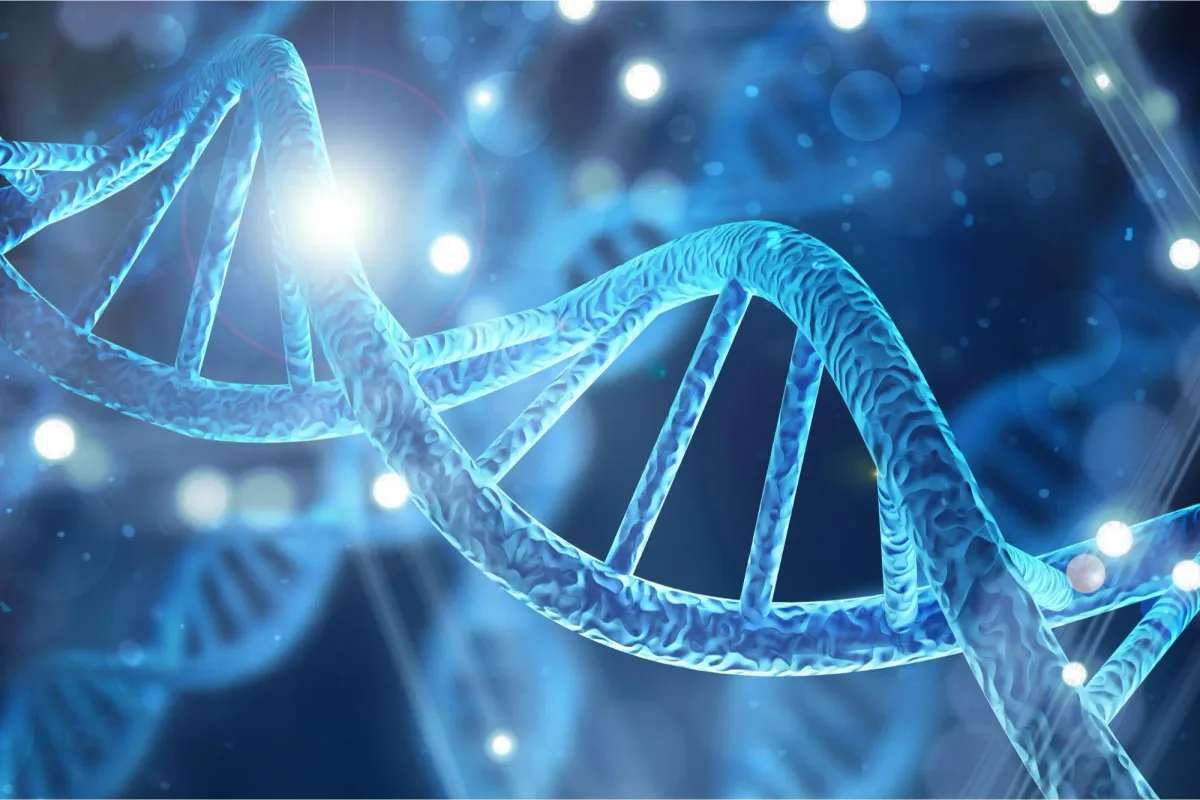
These molecules, called nucleobases, are the backbone of all life as we know it. They link up with sugars and phosphates to form nucleotides, which are the basic units of DNA and RNA. Without them, there's no genetic instruction manual for anything to grow, reproduce, or evolve.
Finding all five of them in a pristine asteroid sample means these crucial life ingredients might have been way more common across the early solar system than we thought. It hints that the universe might have been actively cooking up the raw materials for life, long before Earth even had a chance to get started.
Hayabusa2 brought back a tiny, precious 5.4 grams of asteroid material. To make sure there was zero contamination from Earth, researchers worked in super clean labs. They basically gave the asteroid bits a chemical bath to pull out these organic molecules, then carefully checked what they found.
And there they were: all five nucleobases, in similar amounts, across the two Ryugu samples they tested. It's like a cosmic fingerprint, showing us what was floating around when our solar system was just getting started.
Life's Ingredients From Space
This discovery isn't totally out of left field. Other space rocks, like the Murchison meteorite that landed in Australia in 1969, also had some of these organic molecules. But those can get contaminated on their way down to Earth.
What makes Ryugu special is that its samples were collected directly in space. They're like a sealed letter from 4.5 billion years ago, giving us one of the clearest peeks at the chemistry of the early solar system. And get this: NASA's mission to asteroid Bennu also found all five nucleobases in its samples.
Asteroids like Ryugu and Bennu are like time capsules, holding onto ancient materials almost unchanged for billions of years. They show us that the building blocks of life might have been forming out in space, ready to be delivered to an early Earth. It suggests the story of life on our planet is a much bigger, cosmic tale than we ever imagined.