Astronomers have just spotted something that shouldn't exist — at least not according to our current understanding of how the universe works.
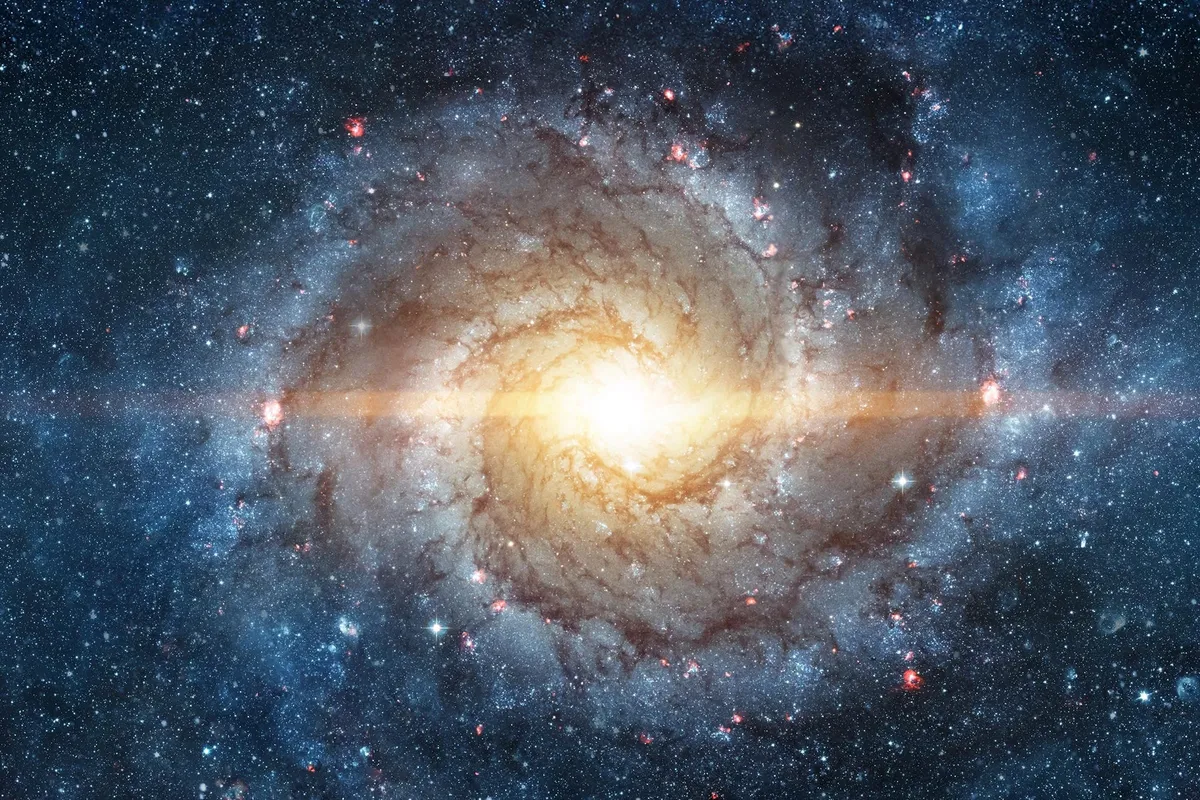
A team of 48 researchers across 14 countries, led by Jorge Zavala at the University of Massachusetts Amherst, has identified a hidden population of dusty, star-forming galaxies that formed roughly one billion years after the Big Bang. These aren't just old. They're impossibly old given what we thought we knew about how quickly stars could form in the early universe.
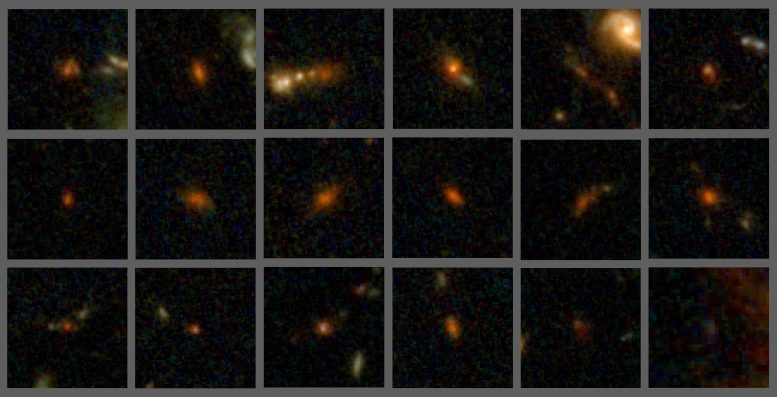
The discovery matters because it fills a gap in our cosmic family tree. Astronomers had spotted ultrabright galaxies forming around 13.3 billion years ago, and they'd found older "dead" galaxies that stopped making stars roughly two billion years after the Big Bang. But the middle chapter was missing. These newly discovered dusty galaxies appear to be that missing link — the young adults between infancy and old age.
We're a new kind of news feed.
Regular news is designed to drain you. We're a non-profit built to restore you. Every story we publish is scored for impact, progress, and hope.
Start Your News DetoxHow we finally saw what was always there
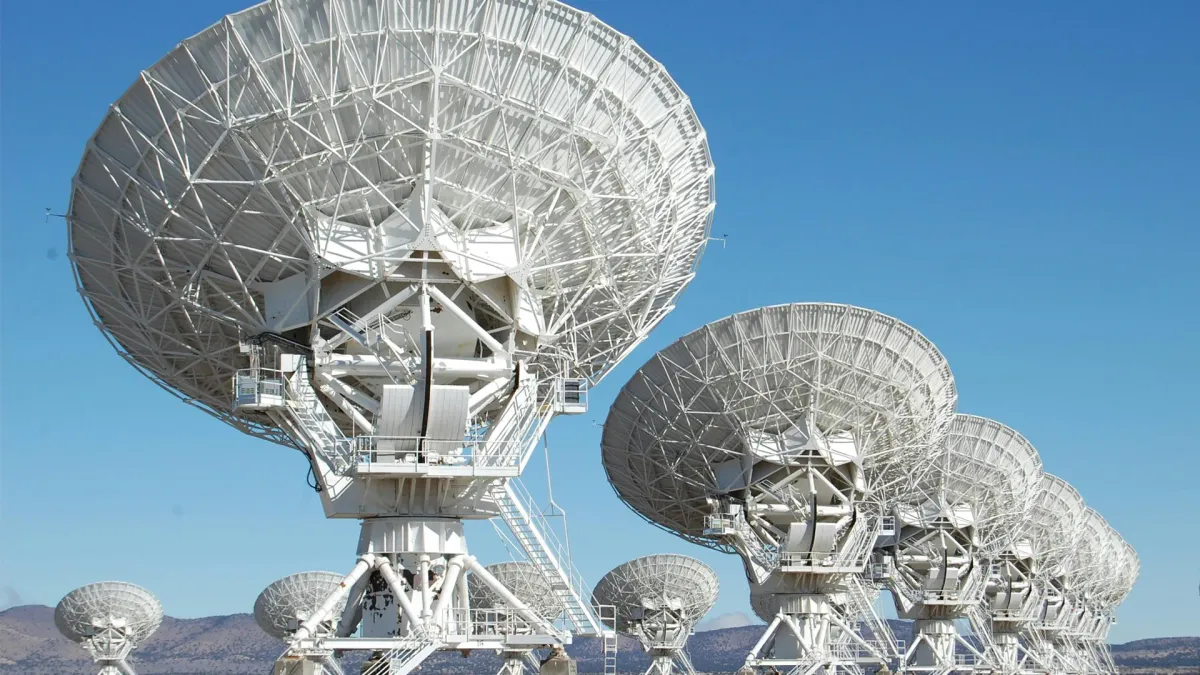
These galaxies have been hiding in plain sight, obscured by their own cosmic dust. When dust absorbs ultraviolet and visible light, it heats up and re-radiates that energy as infrared light — invisible to traditional telescopes. The breakthrough came with submillimeter instruments like the Atacama Large Millimeter/submillimeter Array (ALMA) in Chile, which can detect exactly that kind of infrared glow.
Zavala's team started by using ALMA to identify about 400 bright, dust-rich galaxies. Then they cross-referenced those observations with data from NASA's James Webb Space Telescope to find roughly 70 faint candidates near the observable universe's edge. Most had never been detected before. When the researchers stacked ALMA's data to amplify the faint signals, the picture became clear: these are genuinely dusty systems that formed nearly 13 billion years ago.
"Dusty galaxies are massive galaxies with large amounts of metals and cosmic dust," Zavala explained. "And these galaxies are very old, which means stars were being formed in the early universe, earlier than our current models predict."
If this interpretation holds up — and the team emphasizes more work is needed — it suggests our timeline of cosmic history needs revision. Intense star formation began earlier than we thought. The universe's first billion years were busier, messier, and more complex than existing models account for. It's the kind of discovery that doesn't overturn everything we know, but it does nudge the entire framework sideways, forcing us to ask better questions about how galaxies actually grew up.
The findings, published in The Astrophysical Journal Letters, represent a moment where better tools revealed a story the universe had been waiting to tell all along.