A Purdue University study found that animal-based proteins like pork and eggs deliver more essential amino acids to the bloodstream. This is compared to the same amount of plant-based proteins like beans or almonds. The findings suggest that the quality of protein might be as important as the serving size for muscle health and healthy aging.
Animal vs. Plant Protein: A Closer Look
The study, published in 2023, showed that two ounce equivalents (oz-eq) of animal protein provided more essential amino acids (EAA). These are amino acids the body cannot make on its own. They are crucial for building muscle and other proteins in the body.
This research highlights a key question: are all protein foods truly equal when measured by the same serving system?
We're a new kind of news feed.
Regular news is designed to drain you. We're a non-profit built to restore you. Every story we publish is scored for impact, progress, and hope.
Start Your News DetoxWhy Protein Quality Matters
The quality of protein in a food or meal, specifically its EAA content, affects how well the body can use these amino acids. The Dietary Guidelines for Americans (DGAs) suggest eating various protein foods. They use ounce-equivalent portions for comparison. For example, one oz-eq is one ounce of meat, one whole egg, 0.25 cups of beans, or 0.5 ounces of nuts.
Dr. Wayne Campbell, the lead researcher from Purdue University, noted that the basis for the DGAs calling these foods "equivalent" is unclear. Protein foods can differ greatly in calories, fat, carbs, total protein, and protein quality. This means two foods counted as the same "ounce equivalent" can give the body very different amounts of usable essential amino acids.
Animal-based proteins, such as eggs, can provide higher levels of essential amino acids. These are key nutrients for building and maintaining muscles.
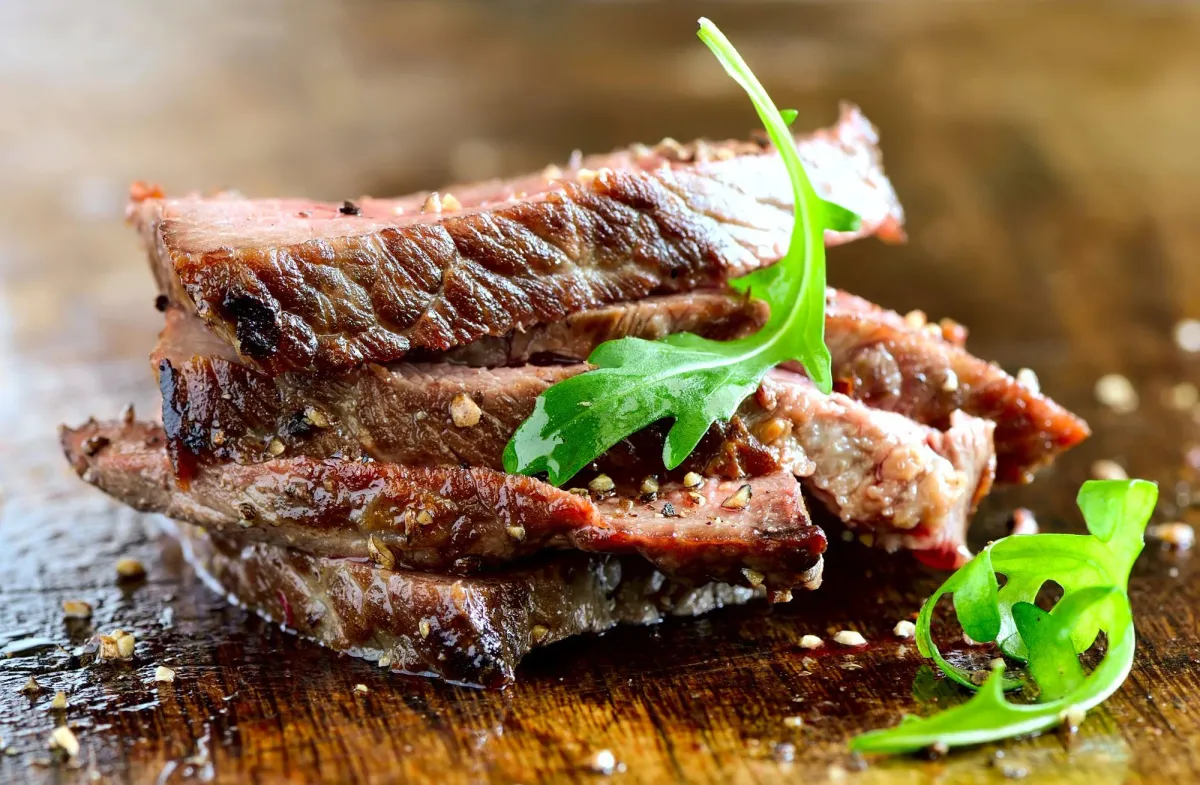
The study compared two oz-eq portions of four protein foods: lean pork loin, scrambled whole eggs, black beans, and raw sliced almonds.
Study Findings and Implications
The researchers wanted to see if the ounce equivalent system accurately reflects protein quality. This is especially important for groups who need reliable protein intake, like young adults with limited food choices or older adults who need more nutrient-dense protein for muscle maintenance and physical function.
The study involved 30 young adults and 25 older adults. Each participant ate a standardized meal with two oz-eq of one protein food. Blood samples were taken before and after the meal to measure essential amino acid bioavailability, blood sugar, and insulin levels.
Animal Protein Delivers More EAAs
Dr. Gavin Connolly, a research associate at Purdue, explained that meals with animal-based proteins led to more EAAs in the bloodstream. This was true for both young and older adults. There was no difference in EAA bioavailability between the age groups.
This suggests that the animal proteins tested, lean pork loin and scrambled eggs, were more effective at providing essential amino acids for building body protein or muscle. This is important for muscle and overall health throughout life.
The study also found that lean pork provided more EAA bioavailability than eggs. Black beans and almonds showed no difference in EAA bioavailability from each other.
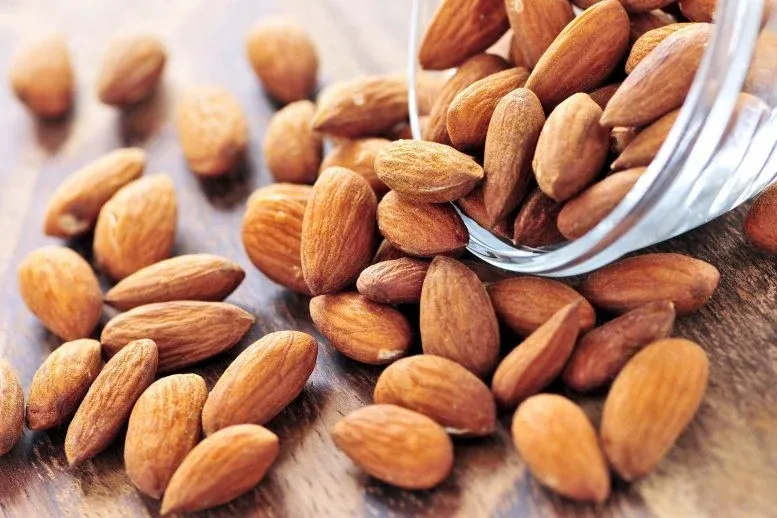
Almonds were one of the plant-based protein sources examined. The study found lower essential amino acid bioavailability compared with animal-based protein foods.
Newer Research and Future Directions
Since the Purdue study, more research has explored the animal versus plant protein debate. A 2025 review found that animal protein had a small benefit for muscle mass compared to plant protein, especially in younger adults and when compared to non-soy plant proteins. However, it found no clear difference between soy protein and animal protein for muscle mass. It also found no overall difference for muscle strength or physical performance.
This newer evidence suggests a more complex picture. Some animal proteins might deliver essential amino acids more efficiently, especially compared to certain whole plant foods. But not all plant proteins are the same; soy protein, particularly in concentrated forms, seems more comparable to animal protein.
Other studies are looking into how blends of animal and plant proteins can improve digestion and amino acid availability in older adults. This shows a growing interest in finding practical ways to support muscle health while also considering sustainability and dietary preferences.
Limitations of the Study
Dr. Connolly noted that the portion sizes in the study might not reflect what people usually eat. Also, the study didn't directly measure changes in muscle protein synthesis. This means the results show differences in EAA bioavailability but don't prove that one eating pattern directly leads to better muscle growth or long-term health.
More research is needed to fully understand how different protein sources affect muscle health and aging.
Rethinking Protein Guidance
The study authors believe their findings could help shape future public health nutrition advice. They suggest that future Dietary Guidelines should consider whether different protein sources should continue to be treated as equivalent based on ounce equivalents.
Dr. Campbell added that while plant-based foods offer important benefits like fiber, vitamins, and minerals, dietary advice should also recognize the role of nutrient-dense animal proteins.
The main takeaway is that both protein source and quality, along with the overall diet, are important. For those focused on muscle health, especially as they age, the body may react differently to proteins that appear equal on a dietary chart.
Deep Dive & References
- Effects of Consuming Ounce-Equivalent Portions of Animal- vs. Plant-Based Protein Foods, as Defined by the Dietary Guidelines for Americans on Essential Amino Acids Bioavailability in Young and Older Adults: Two Cross-Over Randomized Controlled Trials - Nutrients, 2023
- Quality of meal protein determines anabolic response in older adults - Clinical Nutrition, 2017
- Metabolic Evaluation of the Dietary Guidelines’ Ounce Equivalents of Protein Food Sources in Young Adults: A Randomized Controlled Trial - The Journal of Nutrition, 2021
- Essential Amino Acids and Protein Synthesis: Insights into Maximizing the Muscle and Whole-Body Response to Feeding - Nutrients, 2020
- Effect of Plant Versus Animal Protein on Muscle Mass, Strength, Physical Performance, and Sarcopenia: A Systematic Review and Meta-analysis of Randomized Controlled Trials - Nutrition Reviews, 2025