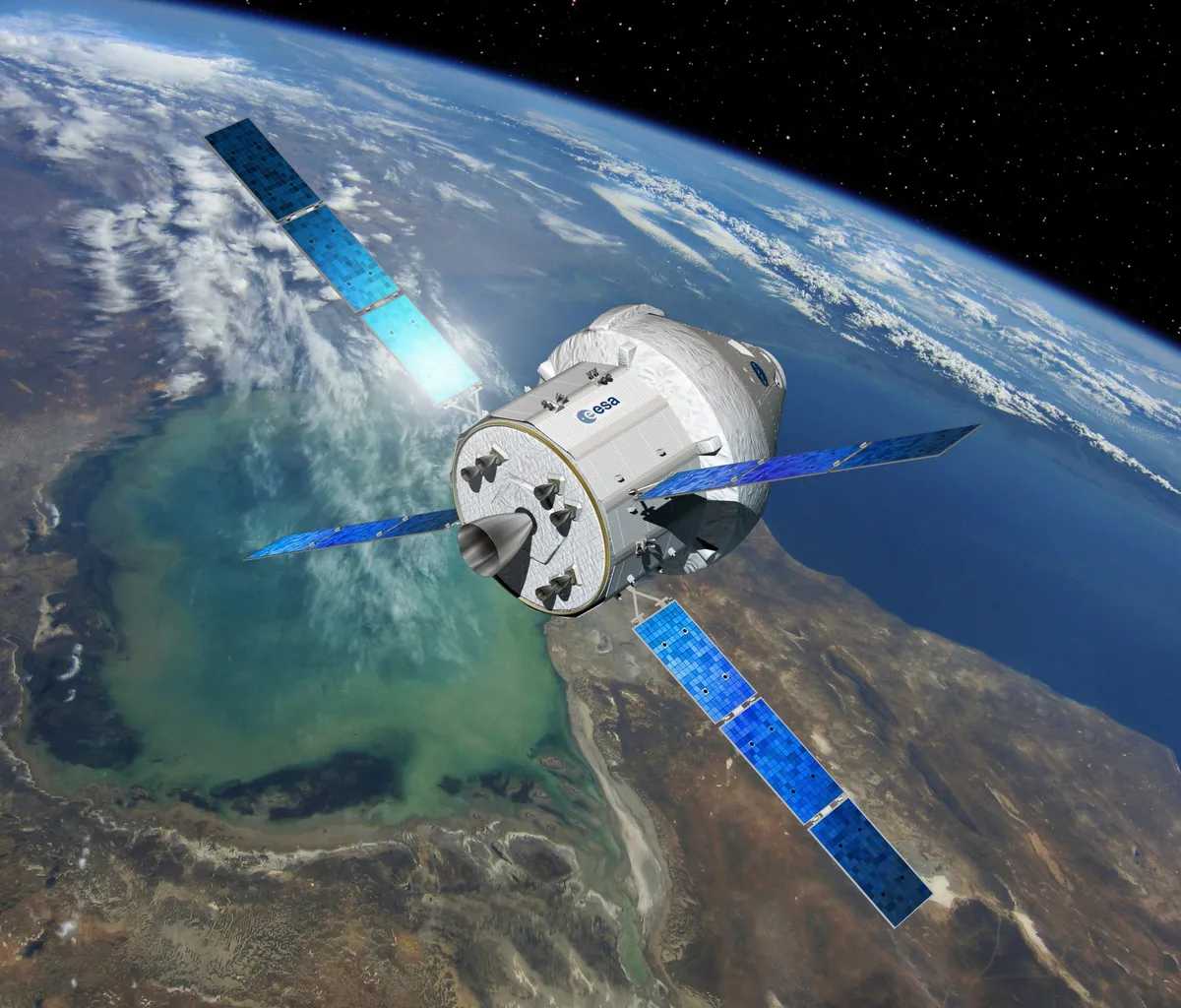
The Artemis II crew just hit a mileage marker that hasn't been seen by human eyes in over 50 years: 100,000 miles from Earth. They're not stopping there. These four astronauts are on a mission to push the boundaries, aiming to go farther into space than any human before them.
After a fiery "translunar injection" that sent their Orion capsule hurtling moonward, they officially left Earth's orbit. NASA's Dr. Lori Glaze, understandably thrilled, pointed out that humans haven't pulled this off since Apollo 17 in 1972. Let that satisfying number sink in.
The View From the Edge of Everything
Commanded by Reid Wiseman, and joined by Victor Glover, Christina Koch, and Canada's Jeremy Hansen, the crew spent their first day checking the new capsule – the first time humans have ever flown in it. Wiseman called the whole thing a "herculean effort," which feels like an understatement when you're talking about sending four people 250,000 miles away.
We're a new kind of news feed.
Regular news is designed to drain you. We're a non-profit built to restore you. Every story we publish is scored for impact, progress, and hope.
Start Your News DetoxOrion is set to fly about 4,000 miles past the moon, giving them an unprecedented look at its far side, before swinging back. If all goes to plan, they'll clock over a quarter-million miles from home, setting a new record for human spaceflight. Which, if you think about it, is both impressive and slightly terrifying.
This whole celestial road trip is a precursor to something even bigger: building a permanent moon base. Because apparently, that's where we are now. A base that will then serve as a launchpad for even more space exploration. One small step, indeed.
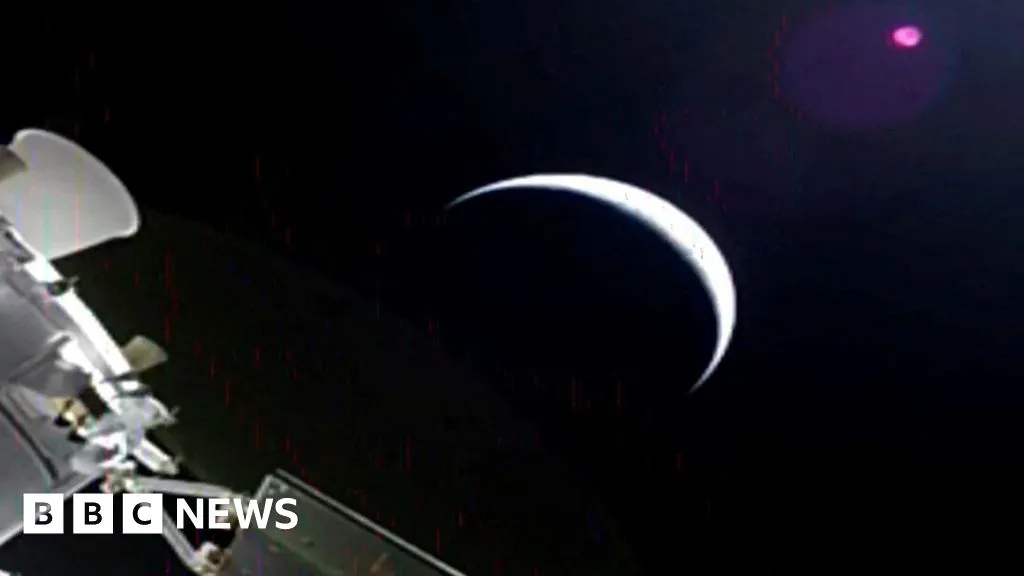
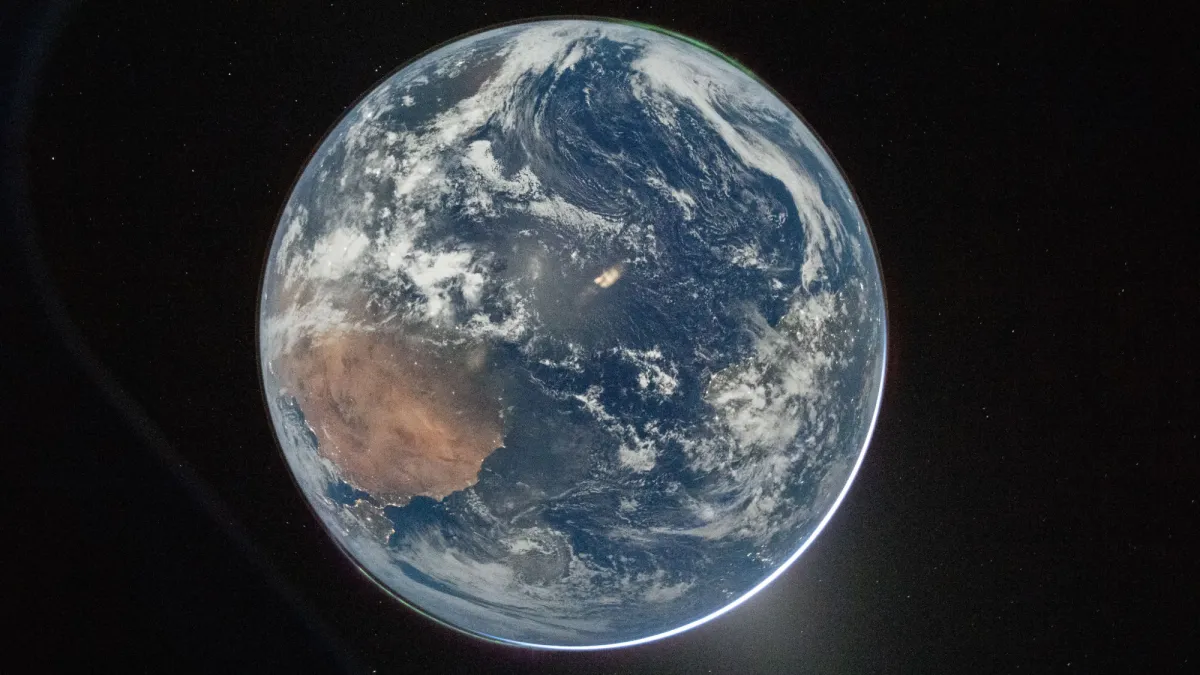
After what was described as a "flawless" engine firing, the crew watched Earth shrink away. Koch recounted seeing their home planet lit up like a Christmas tree, with the moon's subtle glow nearby. They're now on a "free return" path, meaning the moon's gravity will act like a cosmic slingshot, propelling them around and back towards Earth.
And just in case things get really interesting, their suits double as "survival systems," capable of providing oxygen, temperature control, and pressure for up to six days if the cabin decides to spring a leak. They're also squeezing in 30 minutes of daily exercise, because nobody wants to return to Earth with spaghetti for bones.
History Made, Toilets Fixed
This mission is making history in more ways than one, including the first person of color, the first woman, and the first non-American on a lunar mission. It's also the first time NASA's mighty SLS lunar rocket has carried a human crew. It's been a long time coming, with delays and costs that have, let's say, accumulated.
There's also the not-so-subtle competition with China, who plans to land humans on the moon by 2030. NASA administrator Jared Isaacman noted that a little rivalry can certainly light a fire under a nation's collective behind. Even Donald Trump has weighed in, hoping for a US landing before his potential second term wraps up in January 2029. Experts are raising an eyebrow at that timeline, given how much Washington is leaning on private tech.
After launching from Kennedy Space Center, the astronauts did encounter one minor hiccup: a malfunctioning toilet. But fear not, the "space plumber" herself, Christina Koch, fixed the issue with a little help from mission control. Turns out, the equipment just needed to warm up. Because even in the vacuum of space, things need a good warm-up.
When asked about the divisions back on Earth, Victor Glover shared a perspective only an astronaut could offer: "You look amazing. You look beautiful. From up here, you also look like one thing. We’re all one people." Take that, Twitter arguments.