Remember when 15 Girl Scouts in Pilot Mountain, North Carolina, suddenly cared about rocket science? Their troop leader, Heather Willard, certainly does. Turns out, hurtling four astronauts around the moon for ten days after a 50-year hiatus will do that to people.
Artemis II wasn't just a mission; it was a collective gasp, the first crewed lunar voyage in half a century. And it managed to do something truly wild in a deeply divided world: make people agree on something.
The Moon: Our Great Unifier
A Reuters/Ipsos poll taken mid-mission found that 69% of Americans were genuinely excited about space. Even more shocking? Around 80% viewed NASA favorably, regardless of their political leanings. Apparently, sending humans to the moon is the one thing that transcends cable news debates.
We're a new kind of news feed.
Regular news is designed to drain you. We're a non-profit built to restore you. Every story we publish is scored for impact, progress, and hope.
Start Your News DetoxAt Chicago's Adler Planetarium, senior astronomer Gaza Gyuk watched hundreds of people — from every walk of life imaginable — track the mission. His takeaway? Everyone can get behind humans pushing the boundaries of what's possible, especially when it's about learning new things peacefully. In Elkins Park, Pennsylvania, astronomy enthusiast Hector Ybe threw a launch party for 225 people. For two hours, he said, everyone just looked up, forgetting all the earthly squabbles.
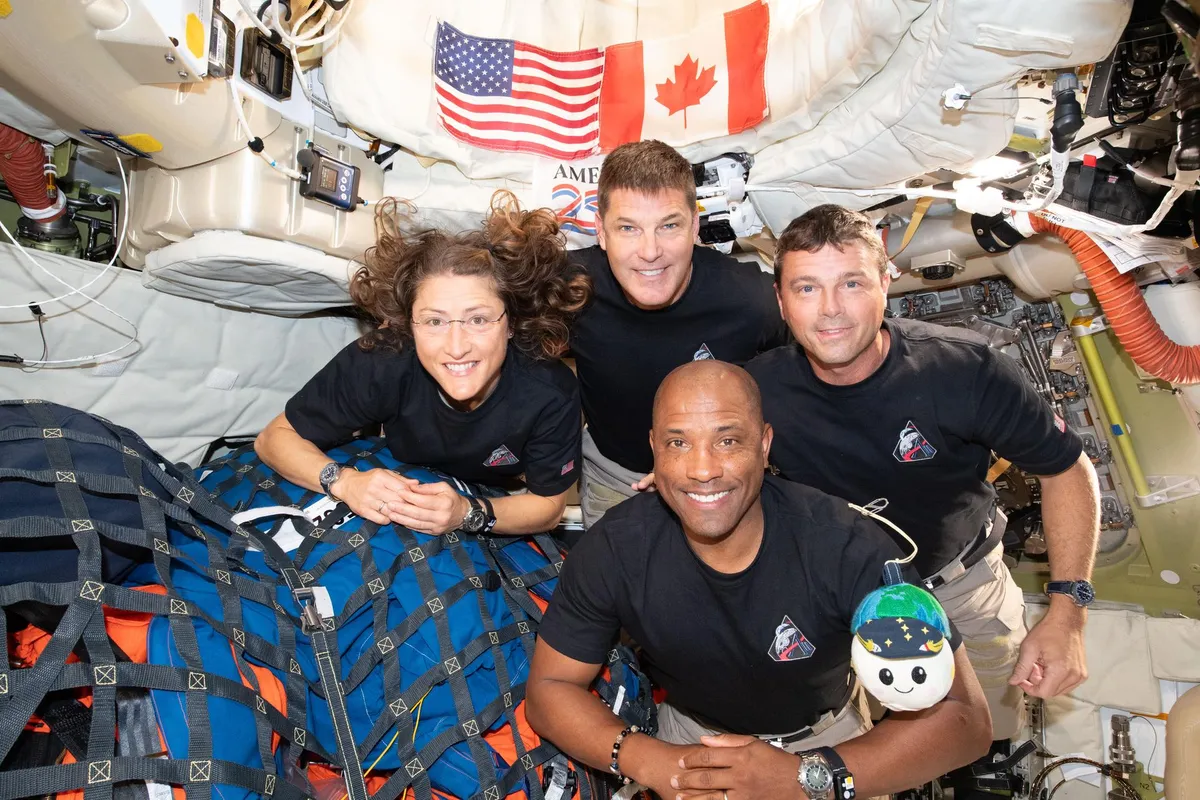
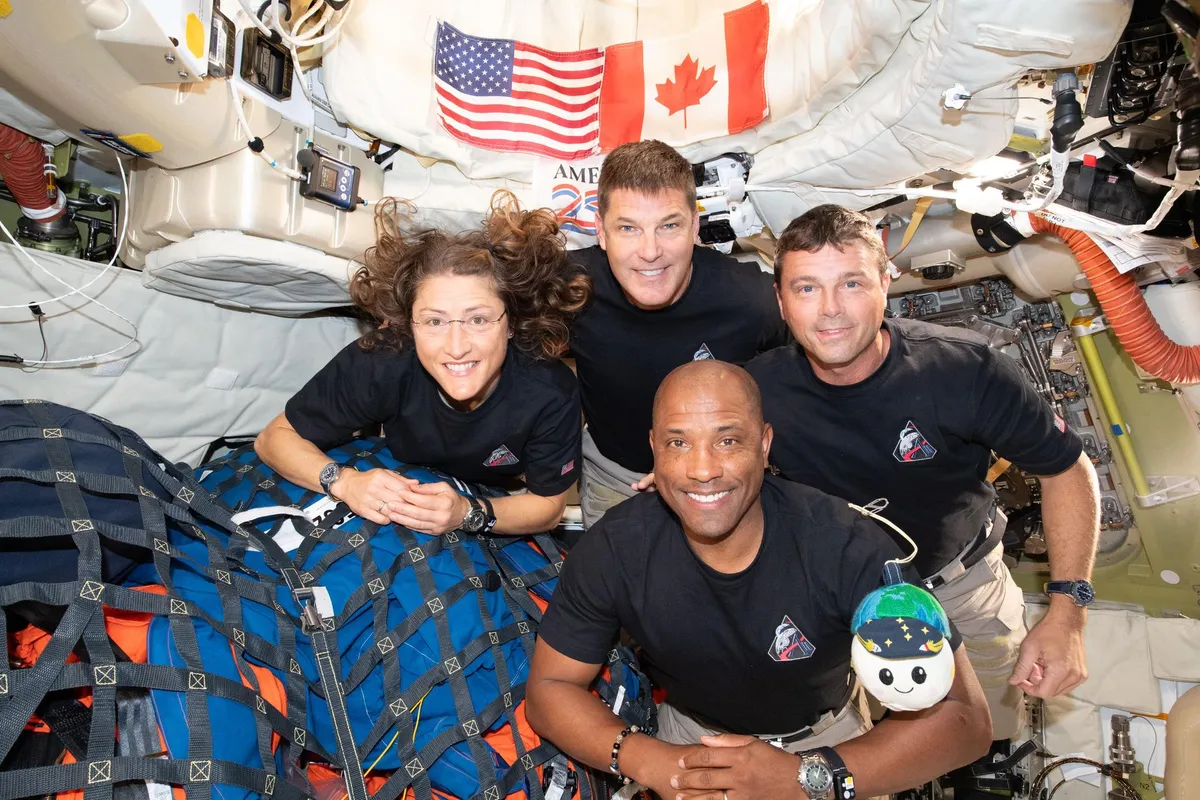
And then there was the crew. Victor Glover became the first Black astronaut to travel to the moon. Christina Koch, the first woman. Plus Commander Reid Wiseman and Jeremy Hansen, the first Canadian to ever fly a lunar mission. This wasn't your grandpa's Apollo crew; this was a reflection of a much broader world, inspiring everyone from engineering students in Northglenn, Colorado, to those very attentive Girl Scouts in North Carolina (especially since Koch is a former Girl Scout herself).

Why We Can't Quit the Moon
The moon's appeal isn't just emotional; it's practically written into our DNA. About 4.5 billion years ago, a Mars-sized body named Theia smacked into a young Earth. The resulting debris coalesced into our moon, and the atoms from that cosmic fender-bender are, quite literally, in everything alive on Earth. It stabilizes our planet's tilt, influences the oceans, and holds a pristine geological record that Earth's weather system long ago erased. Scientists are still reading those ancient, dusty pages.
When Gyuk showed images of Earth from deep space during the Artemis mission, with no visible borders, he saw a powerful reaction. He said it helped people realize "we’re all in this together." Which, if you think about it, is both profound and surprisingly simple.
Perhaps Christina Koch summed it up best during a radio call from deep space, looking back at our distant, blue marble. "We hear you can look up and see the moon right now. We see you, too," she radioed to Mission Control. She continued, "When we burned this burn towards the moon, I said that ‘we do not leave Earth, but we choose it.’ And that is true... Ultimately we will always choose Earth. We will always choose each other."

NASA Administrator Jared Isaacman called the splashdown "just the beginning." While a permanent lunar base is a long-term goal, Artemis II already delivered something priceless: a few days when millions of people paused their arguments and looked up at the same sky. The moon, it seems, still has that power.