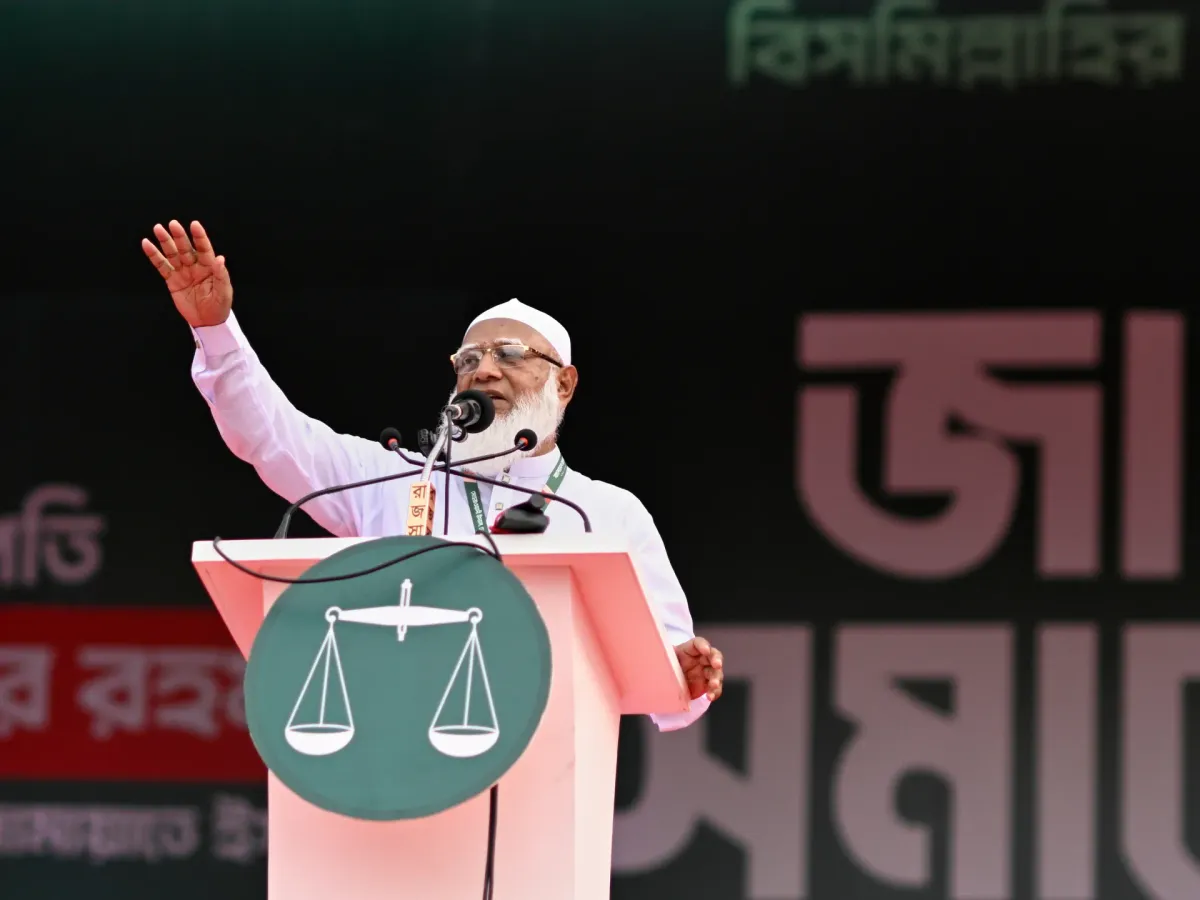
Bangladesh is holding its first national election since a popular uprising forced out Prime Minister Sheikh Hasina in 2024. The vote on February 12 matters not just for the country's 170 million people, but as a test of whether democracy can actually reset itself in South Asia.
The interim government leading up to the election is headed by Muhammad Yunus, the 85-year-old economist who won the Nobel Peace Prize for pioneering microfinance and helping lift millions out of poverty. He returned from exile to guide the transition and push through political reforms that address what many Bangladeshis saw as systemic corruption under Hasina's 16-year rule.
A Reordered Political Landscape
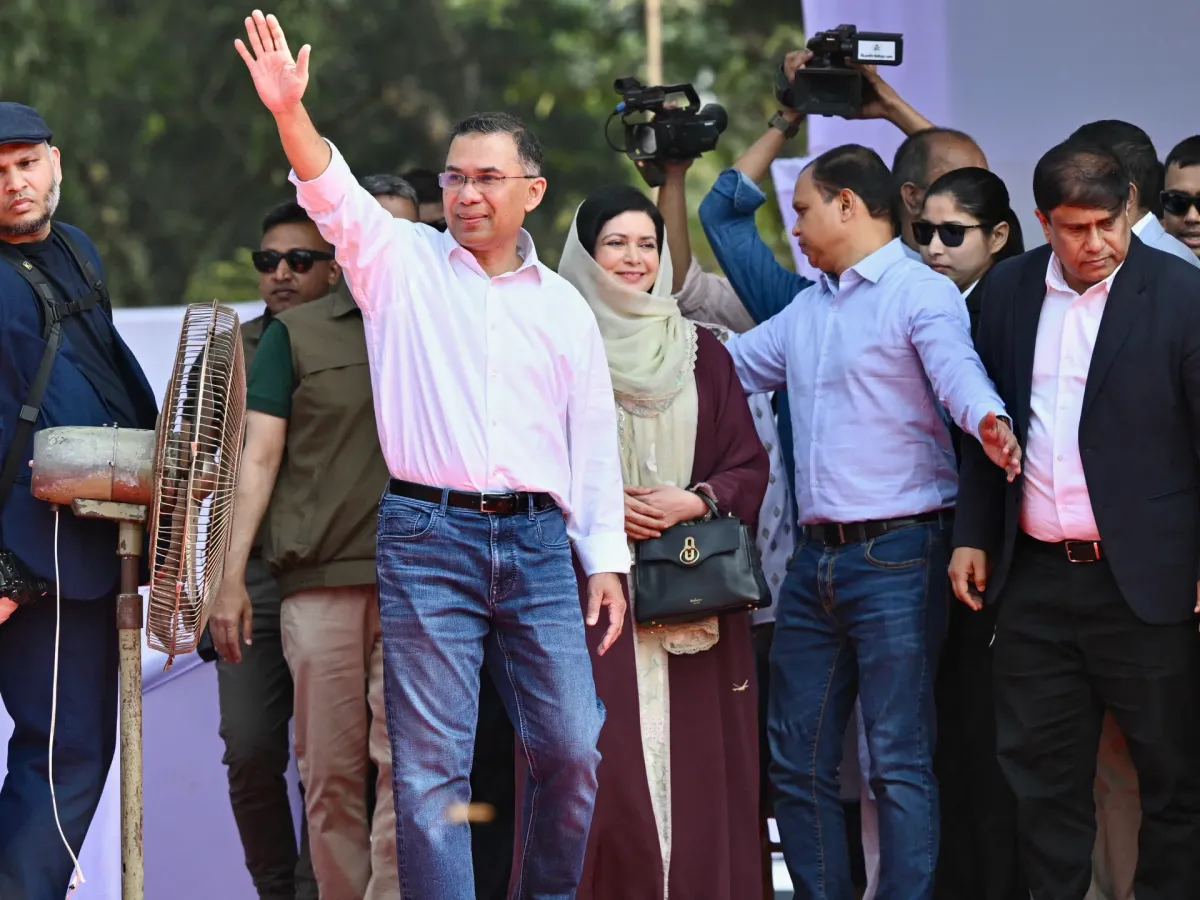
The election looks fundamentally different from the one that preceded it. Hasina's Awami League party has been barred from running after the Election Commission suspended its registration. That clears the field for the Bangladesh Nationalist Party (BNP), led by Tarique Rahman, which is widely expected to be a major force. A 10-party alliance anchored by Jamaat-e-Islami is also competing, though the party remains controversial among secular voters who view it skeptically.
We're a new kind of news feed.
Regular news is designed to drain you. We're a non-profit built to restore you. Every story we publish is scored for impact, progress, and hope.
Start Your News DetoxYunus' government has used this moment to push deeper reforms beyond just changing who sits in office. A referendum happening alongside the election will ask voters whether to expand presidential powers, impose term limits on lawmakers, and strengthen anti-corruption measures. These aren't cosmetic changes — they're an attempt to rebuild institutional trust after years of concentrated power.
The Information Challenge
One tension running through the campaign is the spread of disinformation. Yunus has flagged the problem explicitly, pointing to false claims circulating on social media and across regional outlets. The relationship with India has also frayed since Hasina fled to New Delhi during the uprising, adding another layer of complexity to the campaign environment.
The European Union has called this the "biggest democratic process of 2026," which says something about how closely the region is watching. Elections don't automatically fix broken systems, but they can mark a genuine turning point — a moment when a country decides to try something different. For Bangladesh, February 12 is that moment.