Scientists at the University of Texas at Austin and Texas A&M University have done something that seemed impossible a few years ago: grown actual food in simulated lunar soil. They harvested chickpeas from a growing medium made mostly of moon dirt, a breakthrough that could reshape how we think about long-term human presence on the Moon.
Lunar regolith—moon dirt—is genuinely hostile to life. It's a rough, lifeless powder loaded with heavy metals that stunt plant growth or poison crops outright. There's no organic matter, no earthworms, no microbial networks that make Earth soil fertile. For decades, growing food on the Moon seemed like science fiction.
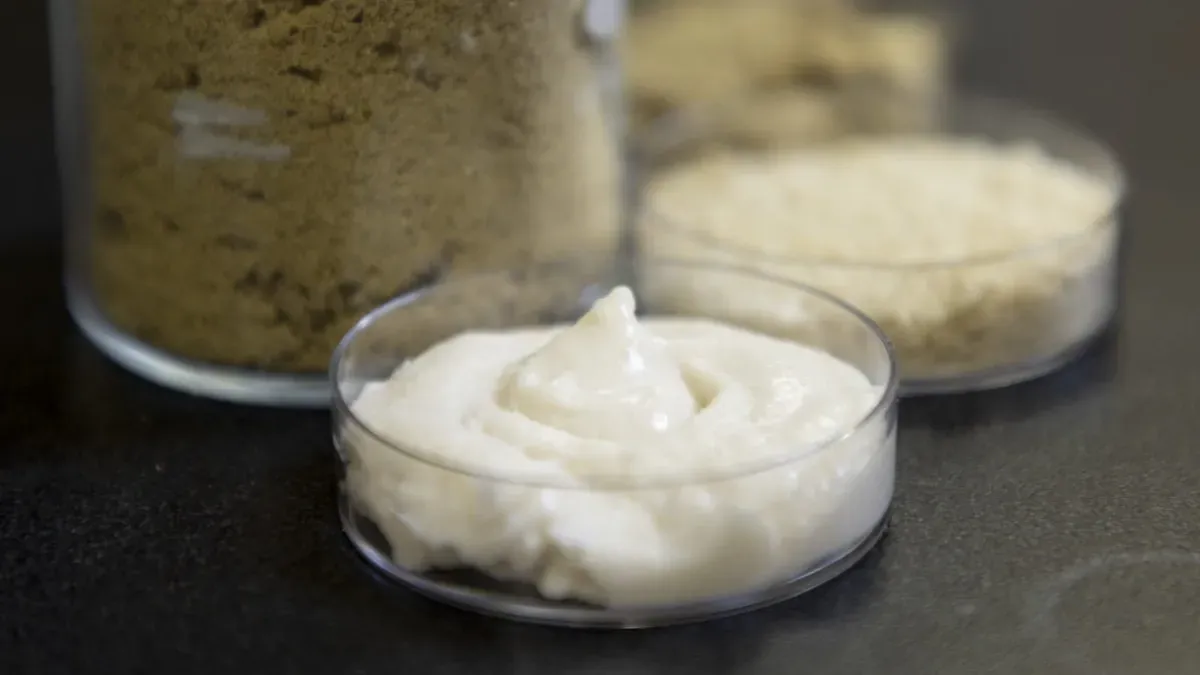
The researchers found a way to transform it anyway. They mixed the simulated moon dirt (sourced from Exolith Labs, engineered to match soil samples brought back by Apollo missions) with vermicompost—nutrient-rich waste from red wiggler earthworms that would recycle food scraps and textiles from a lunar base. The real innovation, though, was biological. They inoculated the chickpeas with arbuscular mycorrhizae fungi, microscopic organisms that form partnerships with plant roots. These fungi do two critical jobs: they help the chickpea absorb nutrients it wouldn't normally access, and they filter out the toxic heavy metals in the regolith.
We're a new kind of news feed.
Regular news is designed to drain you. We're a non-profit built to restore you. Every story we publish is scored for impact, progress, and hope.
Start Your News DetoxThe results were encouraging. The team found they could use soil mixtures containing up to 75% actual moon dirt and still harvest viable chickpeas. Push it higher and the plants collapsed under the stress. What matters more for long-term missions: the fungi persisted in the lunar medium and could theoretically establish themselves permanently after a single introduction, creating a self-sustaining growing system for future missions.
"The research is about understanding the viability of growing crops on the moon," said Sara Santos, a postdoctoral fellow at the University of Texas Institute for Geophysics. "How do we transform this regolith into soil? What kinds of natural mechanisms can cause this conversion?"
This work matters because it reframes the Moon from a barren research station to a place where humans could actually live. For astronauts spending months or years on a lunar base, the difference between eating rehydrated packets from Earth and biting into fresh legumes grown in Lunar soil is psychological as much as nutritional. It's the difference between visiting and staying.
The next phase is less romantic but equally important. Researchers need to verify that the chickpeas are actually safe to eat—that no heavy metals accumulated in the plants during growth. They're also analyzing the nutritional profile to see whether lunar-grown chickpeas have the micronutrients astronauts would need. "We want to understand their feasibility as a food source," said Jessica Atkin, the doctoral candidate who led the work. "How healthy are they? Do they have the nutrients astronauts need? If they aren't safe to eat, how many generations until they are?"
The study, published in Scientific Reports in March, was funded by NASA as part of the broader Artemis program—the push to return humans to the Moon and eventually establish sustained presence there. It's a small crop, grown in a lab, in simulated dirt. But it's the first evidence that the Moon doesn't have to remain a lifeless rock. With the right biology and a little earthworm waste, it might actually grow dinner.