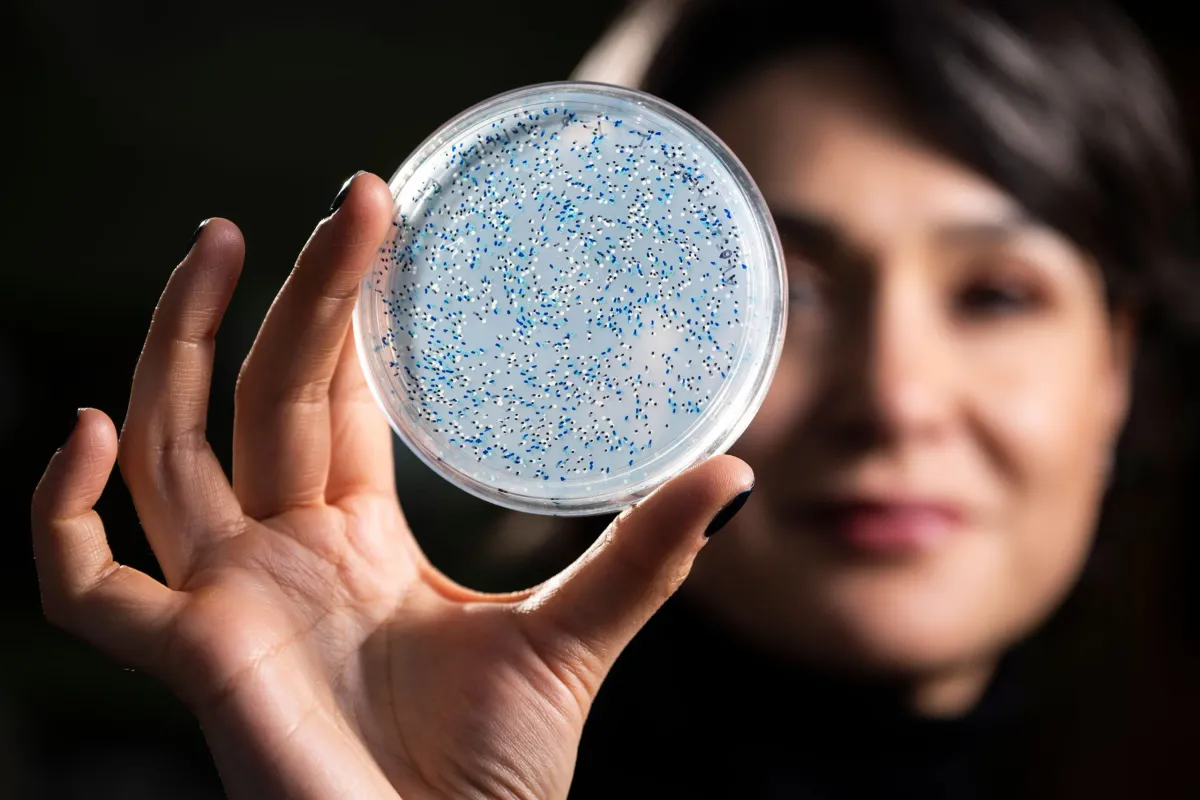
Scientists at the University of Wisconsin–Madison have resurrected a 3.2 billion-year-old enzyme and inserted it into modern microbes, watching it work as it might have worked when Earth's atmosphere was unrecognizable and life consisted almost entirely of single cells. The experiment, published in Nature Communications, offers a rare glimpse into the molecular machinery that made complex life possible—and a new way to search for life on other worlds.
The enzyme is nitrogenase, and without it, you wouldn't exist. Most organisms can't use nitrogen directly from the air, even though it makes up 78% of our atmosphere. Nitrogenase solves that problem by converting atmospheric nitrogen into chemical forms that cells can use to build DNA, proteins, and everything else. Three billion years ago, when Earth's early microbes evolved this trick, they fundamentally changed the planet's chemistry. They made life as we know it possible.
"We picked an enzyme that really set the tone of life on this planet and then interrogated its history," said Betül Kaçar, a professor of bacteriology who led the work. "Without nitrogenase, there would be no life as we know it."
We're a new kind of news feed.
Regular news is designed to drain you. We're a non-profit built to restore you. Every story we publish is scored for impact, progress, and hope.
Start Your News DetoxRewinding the Clock
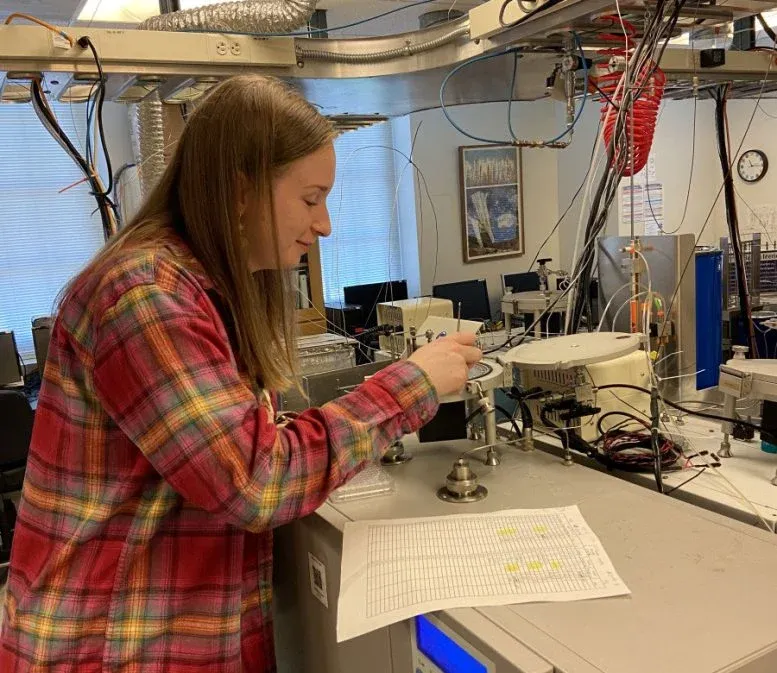
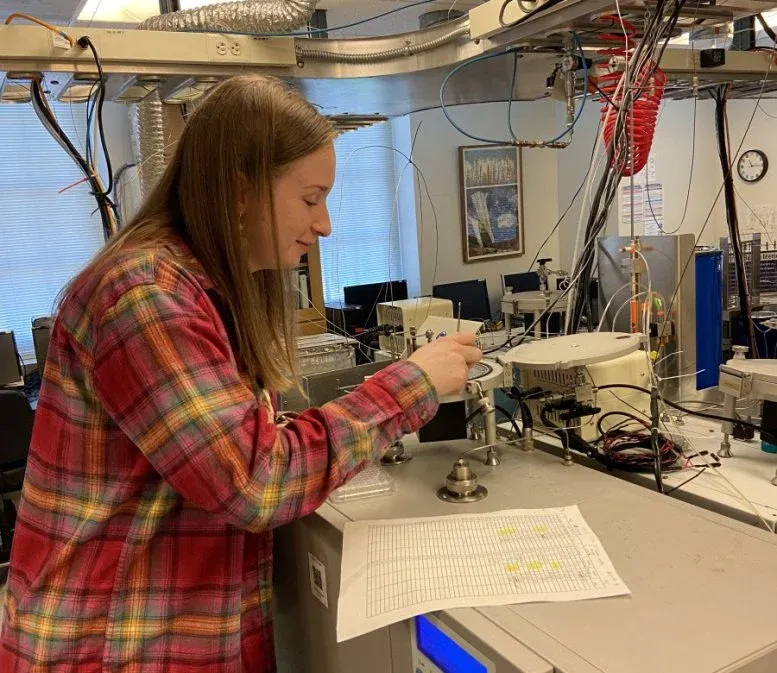
The research works backward. Using synthetic biology, Kaçar and her PhD candidate Holly Rucker compared modern nitrogenase across different organisms, identified which parts have changed and which have stayed the same, and mathematically reconstructed what the enzyme likely looked like billions of years ago. Then they built it from scratch and tested it inside living microbes.
It's a clever workaround for a stubborn problem: enzymes don't fossilize. Ancient rocks can tell us about the chemical world of early Earth, but they can't show us how the machinery actually worked. "Three billion years ago is a vastly different Earth than what we see today," Rucker noted. The atmosphere was thick with carbon dioxide and methane. Oxygen was scarce. Life was exclusively microbial and anaerobic.
What does leave a fingerprint in the rocks is the isotopic signature of nitrogen fixation—the distinctive ratio of nitrogen isotopes that nitrogenase produces as a byproduct of its work. Scientists have long assumed that this signature was the same billions of years ago as it is today. Rucker questioned that assumption.
She was right to. The team discovered something unexpected: even though the ancient reconstructed nitrogenase has a different DNA sequence from modern versions, the mechanism that produces the isotopic signature has remained functionally identical across billions of years of evolution. Some parts of the enzyme changed dramatically. The core mechanism that left its mark on the geological record stayed put.
What This Means for Finding Life Elsewhere
This finding matters beyond Earth. Kaçar leads MUSE, a NASA-funded astrobiology research consortium that brings together microbiologists, molecular biologists, and geologists to prepare for the search for life on other planets. With nitrogenase-derived isotopes now confirmed as a reliable biosignature—a chemical sign of life—scientists have a clearer framework for interpreting signals they might find in the rocks of Mars, in the icy moons of Jupiter, or in the atmospheres of distant exoplanets.
The deeper insight here is about stability and change. Evolution isn't random drift. Some features persist because they work, because they're locked into a system that can't be easily rewired without breaking something essential. The isotopic signature of nitrogenase appears to be one of those features—so fundamental to how the enzyme operates that three billion years of tinkering couldn't budge it. Understanding which features stay stable and which change tells us something profound about how life works, and what signals of life might look like in places we've never been.
"As astrobiologists, we rely on understanding our planet to understand life in the universe," Kaçar said. "The search for life starts here at home."
Rucker plans to dig deeper into why this particular part of nitrogenase resisted change while others evolved. That question—which features of life are universal, which are contingent, which are written into the laws of biochemistry itself—sits at the heart of astrobiology. The answer could reshape how we look for life beyond Earth.