Deep in a Chilean national park, there's a tree that's seen a few things. We're talking 2,400 years of things. This 'alerce abuelo' — or grandpa alerce — isn't just a towering, moss-draped marvel; it's also a bustling metropolis for an entire hidden world beneath the soil.
Turns out, this ancient, 100-foot-tall conifer is basically a five-star resort for a specific type of fungus called arbuscular mycorrhizae. These aren't just any fungi; they're the unsung heroes of the plant world, forming underground partnerships with over 80% of land plants. Think of them as the forest's internet service providers, creating vast networks that deliver nutrients and water to roots, all in exchange for a little carbon and sugar from the trees. It’s a pretty sweet deal, if you’re a fungus.
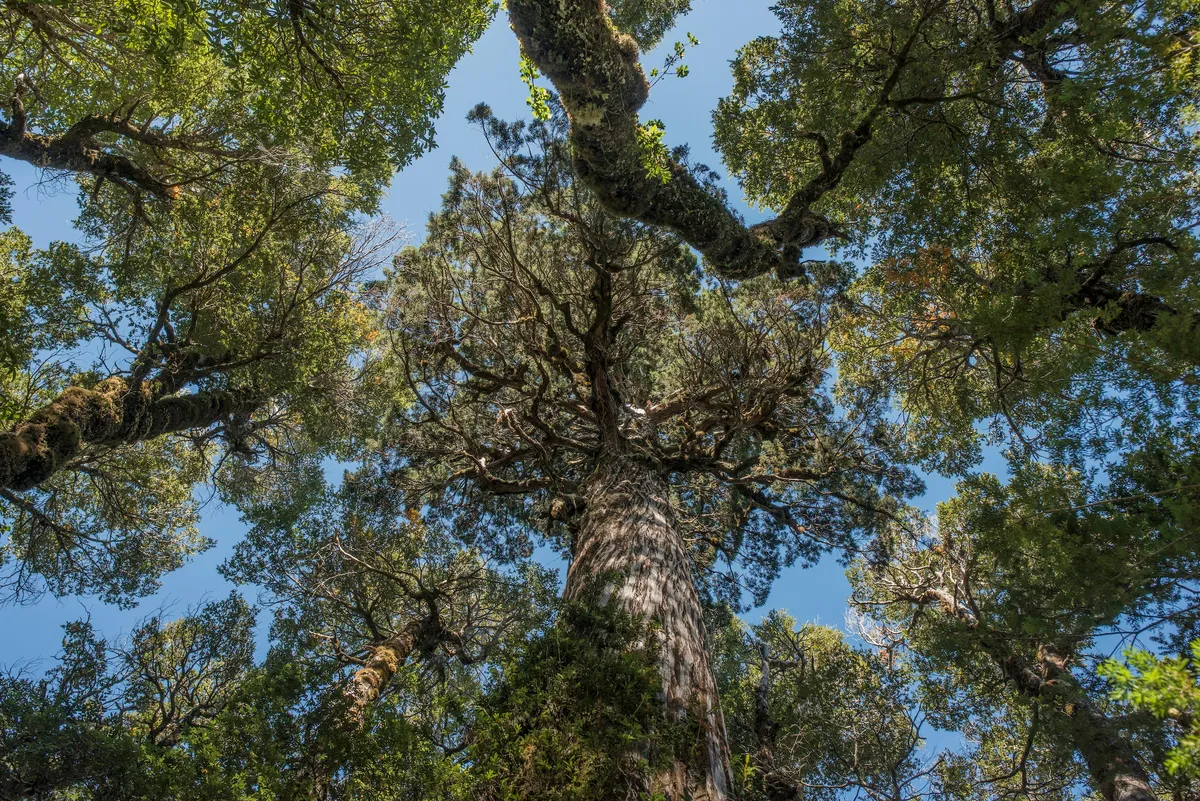
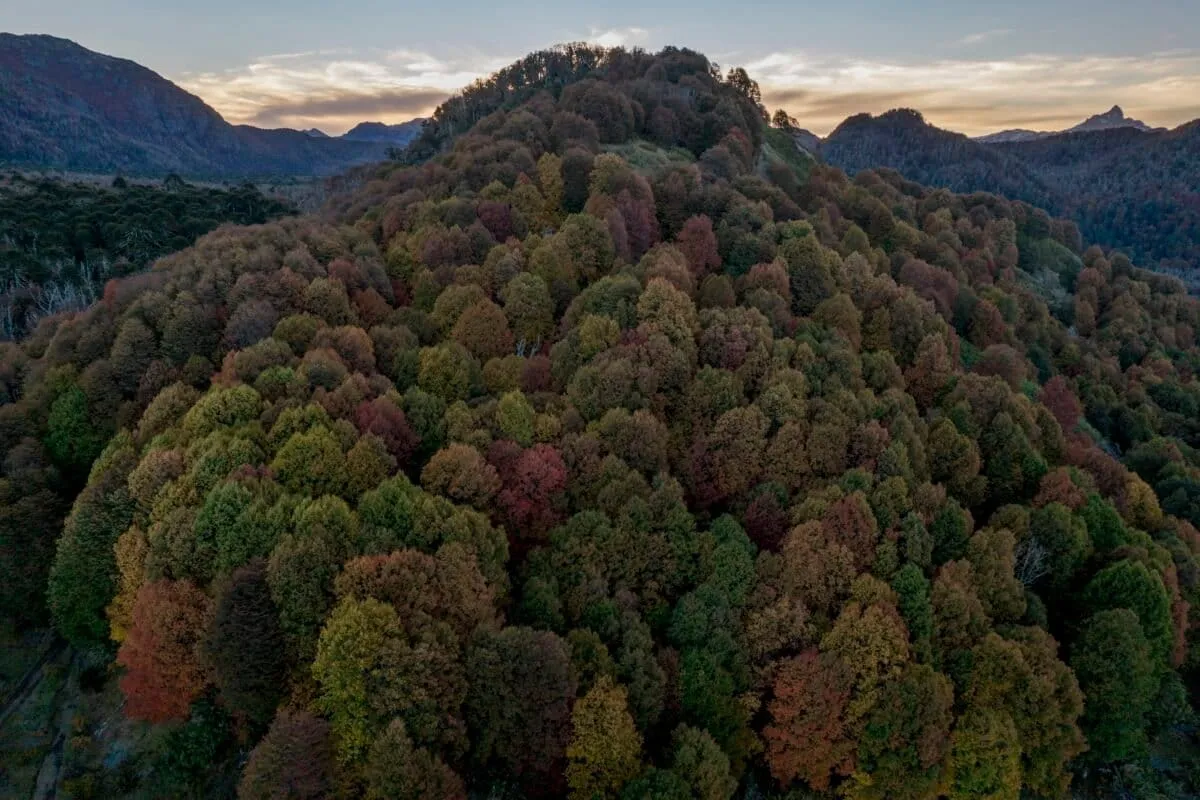
Scientists, probably wearing tiny headlamps, recently delved into the dirt beneath these alerce trees (Fitzroya cupressoides) in Chile's largest protected temperate coastal forest. And what they found was wild: the ancient 'grandpa' tree hosts more than double the fungal diversity of its younger, sprightlier alerce neighbors.
We're a new kind of news feed.
Regular news is designed to drain you. We're a non-profit built to restore you. Every story we publish is scored for impact, progress, and hope.
Start Your News DetoxCamille Truong, a mycologist and the lead author of the study, put it best: the incredible diversity you see on the tree's branches — all those mosses, lichens, and other plants making themselves at home — is mirrored, quietly, in the roots and soil below. Thousands of fungi, just living their best subterranean lives, all thanks to one very old, very generous landlord. It's a reminder that sometimes, the most vibrant communities are the ones you can't even see.