Space travel, for all its futuristic allure, still relies on a surprisingly old-school concept: burning a lot of stuff. We're talking massive amounts of fuel just to get off the couch (Earth) and then even more to actually go anywhere interesting.
But what if future deep-space missions could ditch the fuel tanks entirely? What if they could just… float? The European Space Agency (ESA) just ran an experiment that suggests we might be heading towards a cosmic game of billiards, played with light instead of cue balls.
Light Kicks, Graphene Flies
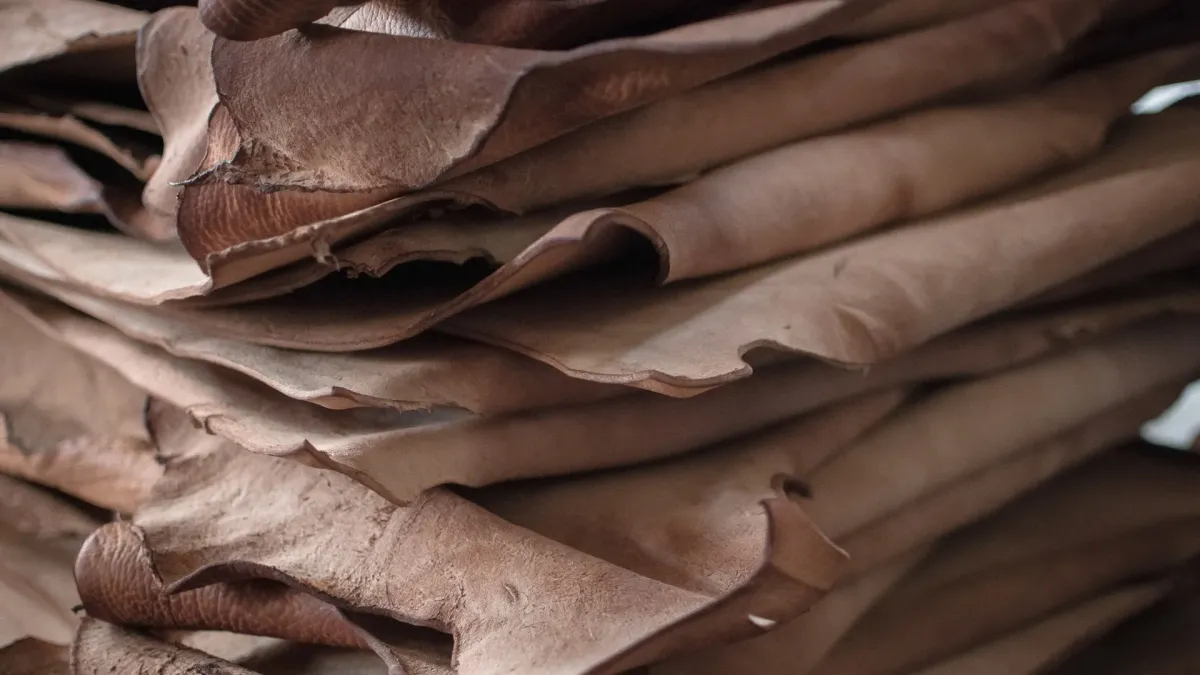
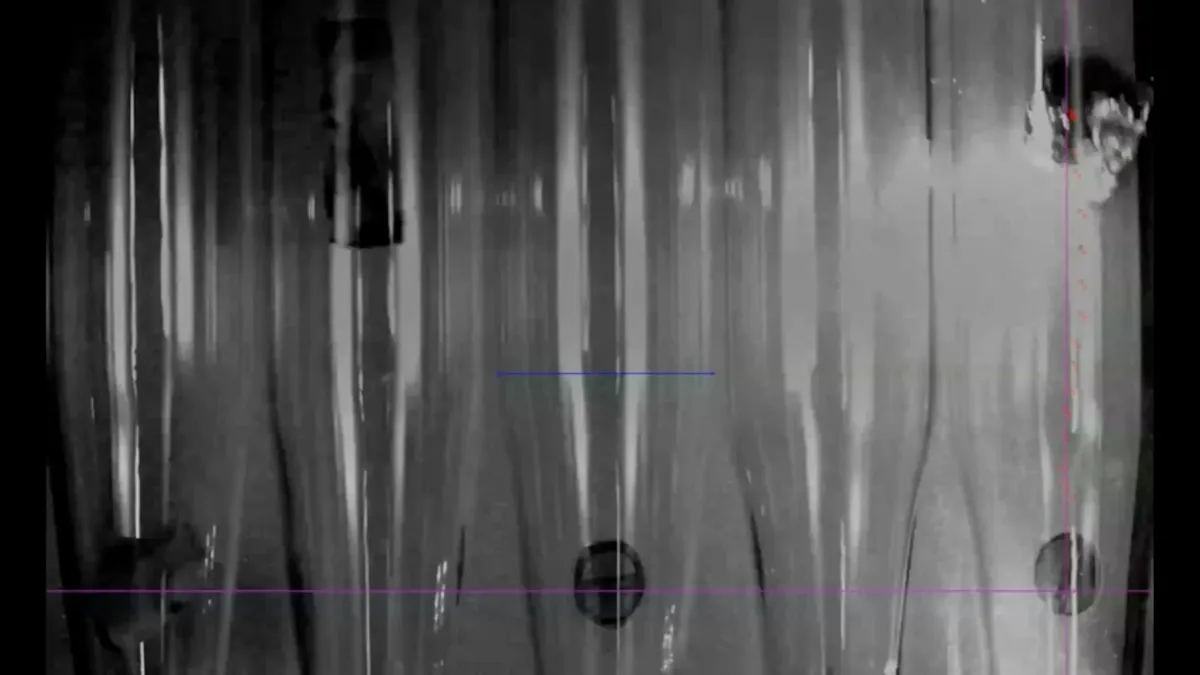
Imagine tiny, incredibly light cubes of graphene aerogel — a material so airy it barely registers, yet strong as steel. Now imagine zapping them with a laser in a vacuum, in microgravity. That's exactly what researchers from ESA, Université Libre de Bruxelles, and Khalifa University did.
We're a new kind of news feed.
Regular news is designed to drain you. We're a non-profit built to restore you. Every story we publish is scored for impact, progress, and hope.
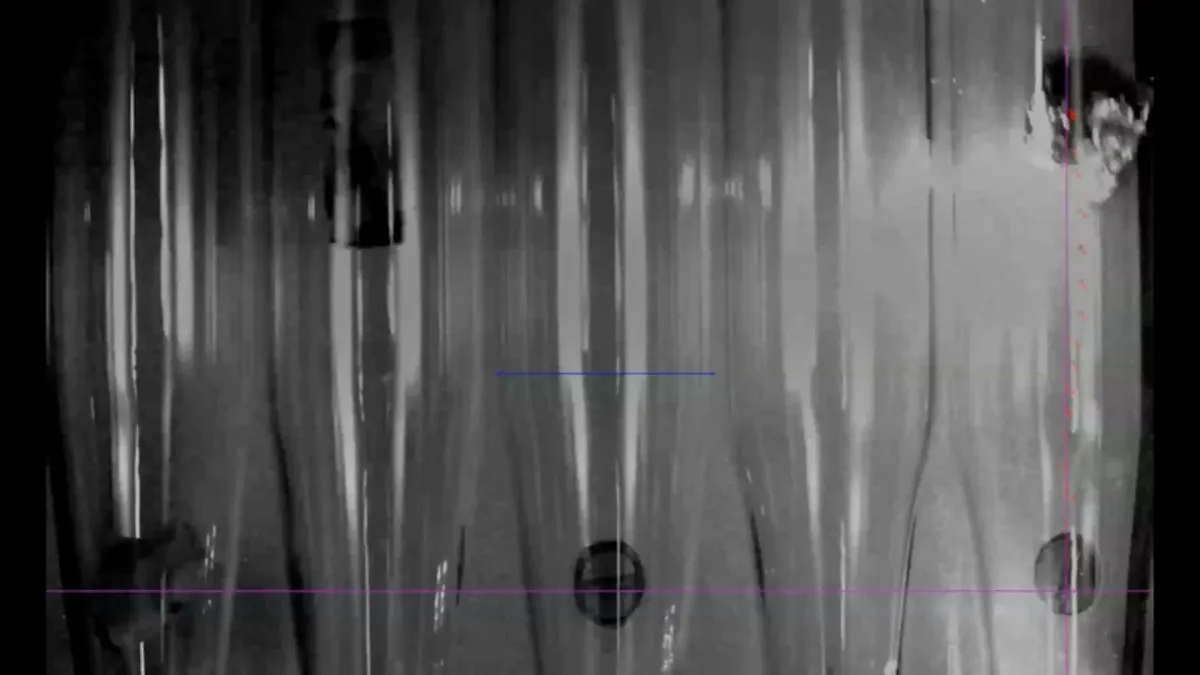
Start Your News DetoxThey took to a 'gravity rollercoaster' (which sounds like an infinitely more fun way to do science) in May 2023. Inside a vacuum chamber, three of these black graphene cubes waited. When weightlessness hit, a continuous laser beam fired. The result? Instant, powerful acceleration. For a mere 30 milliseconds, these tiny cubes were on the move, recorded by high-speed sensors.
"The graphene aerogels accelerated so quickly that the whole event was over in less than a blink," explained Marco Braibanti, ESA’s project scientist. Which, if you think about it, is both impressive and slightly terrifying. Your phone camera probably takes longer to focus.
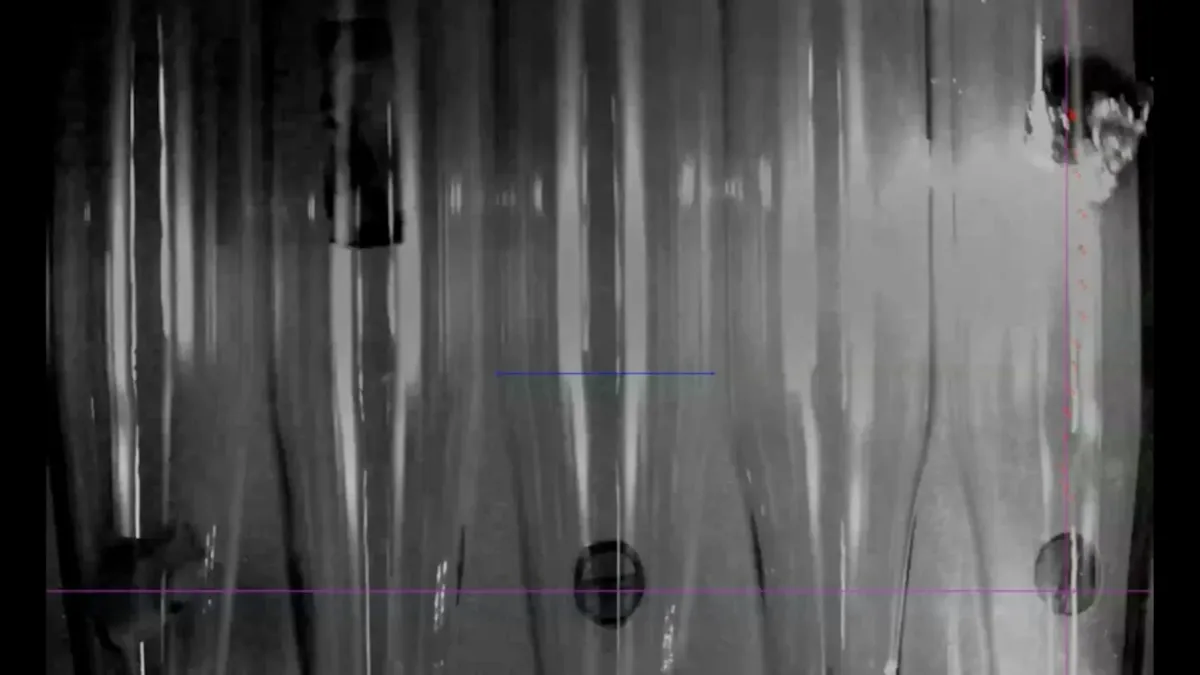
On Earth, you wouldn't notice this subtle push. Gravity's too much of a bully. But in space, where there's no resistance, even the tiniest nudge from a photon (a particle of light) can act like a miniature rocket engine.
Their findings were twofold: First, light is the engine, turning laser energy directly into physical movement. Second, the laser's intensity acts as a precise throttle. A stronger laser means more acceleration. This means light could not only propel but also steer these materials with surprising accuracy.
Think about it: Today's satellites use small thrusters to stay pointed in the right direction. Once the fuel runs out, they become expensive, orbiting trash. Future satellites could incorporate graphene into their outer layers or use it to steer massive solar sails. This initial experiment, while still in its infancy, proves that light can provide the necessary thrust.
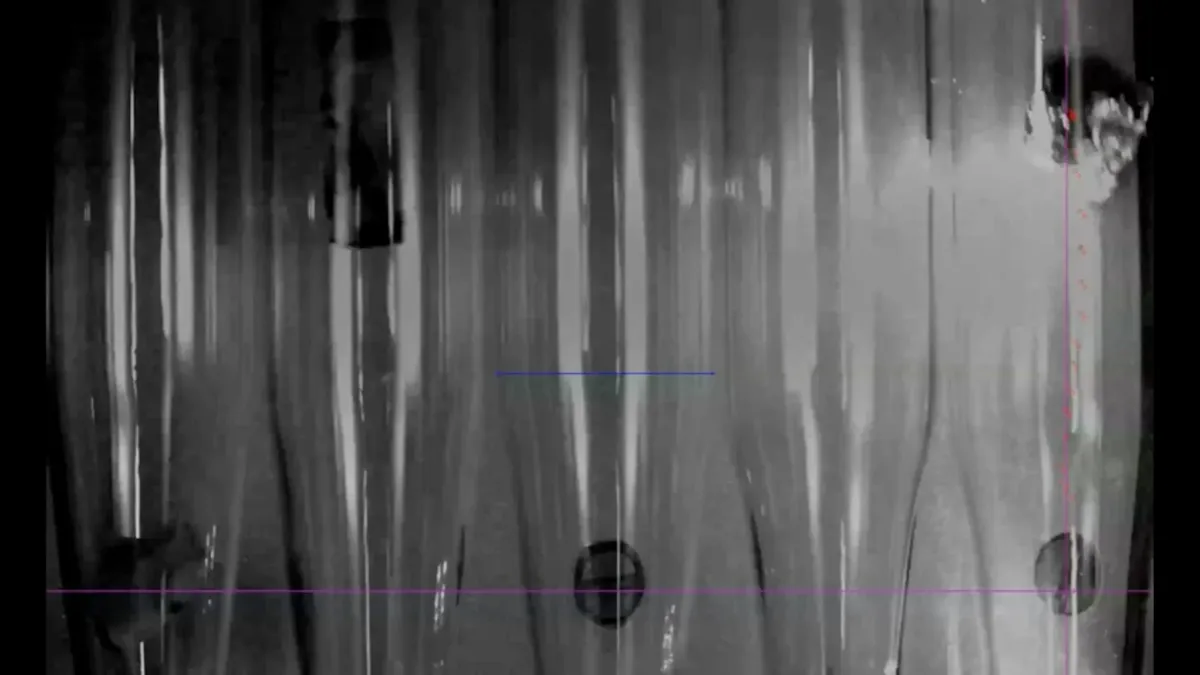
This technology points to a future where spacecraft could shed massive amounts of weight by ditching chemical propellants. That saved space and mass could then be filled with more scientific instruments, more technology, and allow for much longer missions. All thanks to a little push from a laser.
Because apparently, that's where we are now. And the findings were published in the journal Advanced Science on March 31.