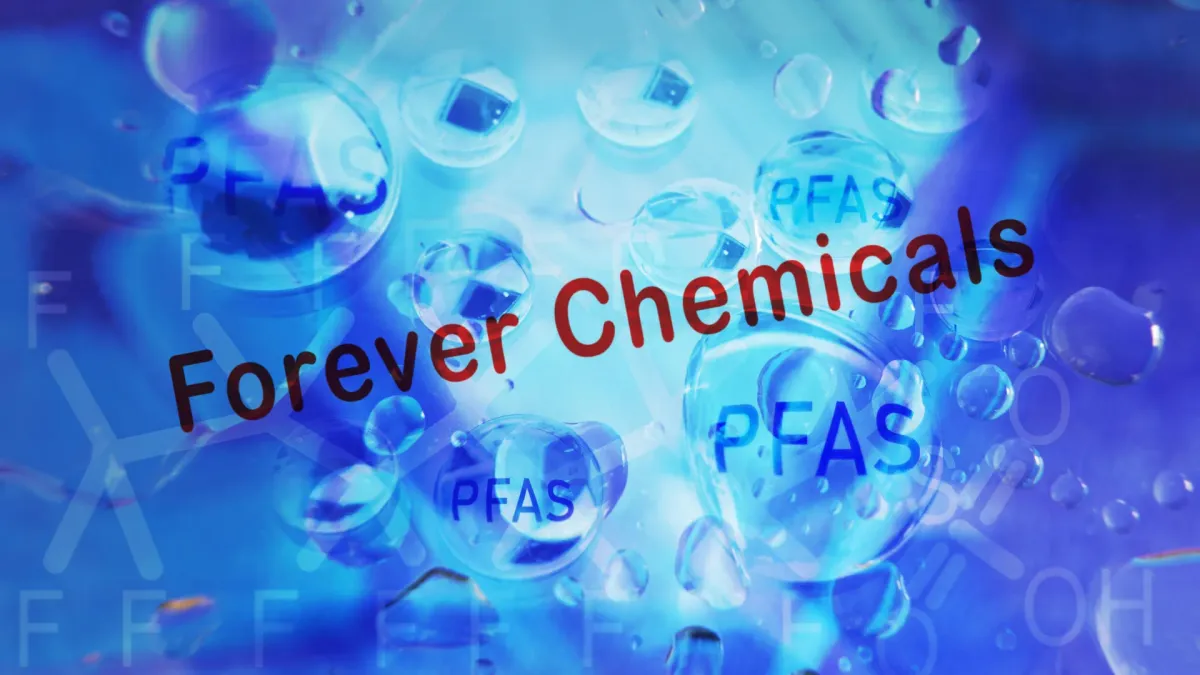
Good news for anyone who enjoys, you know, drinking water that doesn't come with a side of industrial mystery chemicals. Scientists at Australia's Flinders University have developed a new material that can trap those notorious "forever chemicals" (PFAS) in water, removing up to 98% of them.
And not just any PFAS. We're talking about the short-chain varieties, which are basically the Houdinis of water pollution — notoriously difficult to capture with existing tech. Think of it as a nanoscale jailbreak prevention system.
The Tiny Trapdoor That Changes Everything
PFAS, those perfluoroalkyl and polyfluoroalkyl substances, are everywhere. They're in your non-stick pans, your waterproof jacket, firefighting foam, and, increasingly, your local water supply. They're called "forever chemicals" because they don't break down naturally, hanging around in the environment (and our bodies) for, well, seemingly forever.
We're a new kind of news feed.
Regular news is designed to drain you. We're a non-profit built to restore you. Every story we publish is scored for impact, progress, and hope.
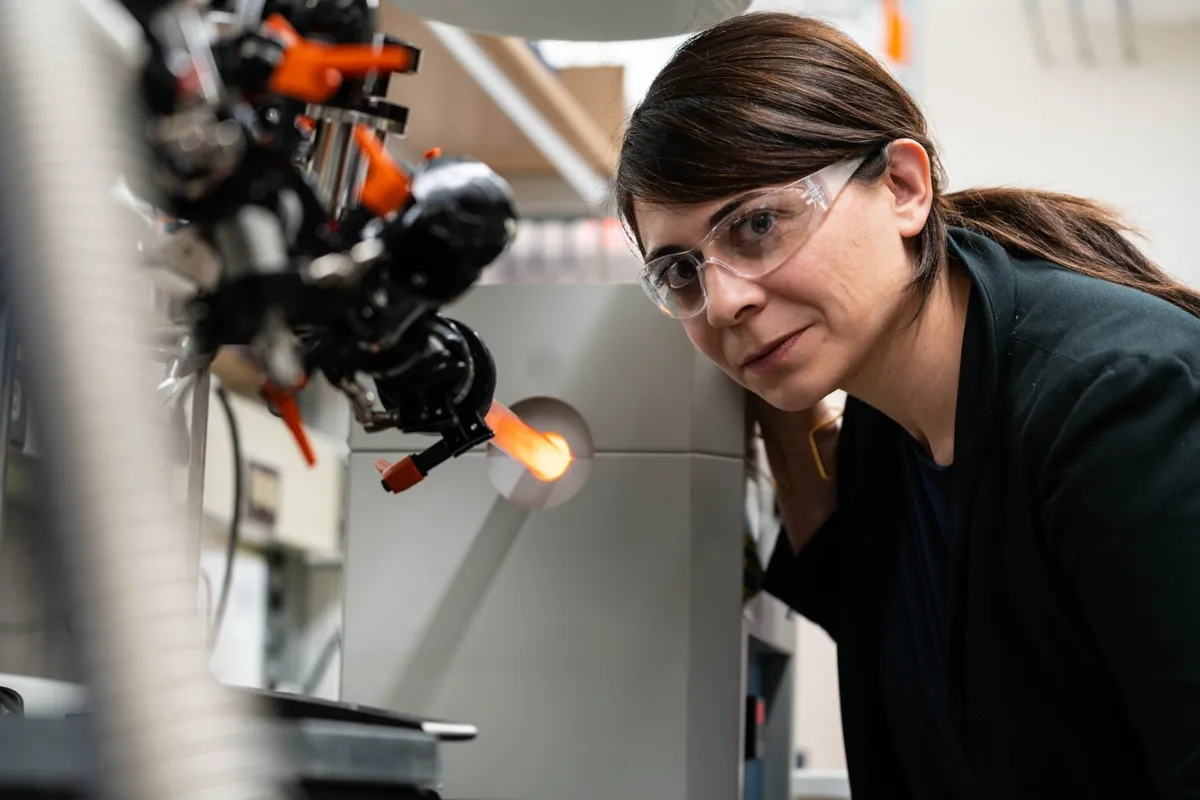
Start Your News DetoxDr. Witold Bloch and his team have engineered special materials called adsorbents. These aren't just any old filters; they're embedded with nano-sized molecular cages. Picture a microscopic, highly selective bouncer that only lets PFAS molecules into its VIP section — and then never lets them leave.
According to their study in Angewandte Chemie International Edition, these tiny cages force short-chain PFAS to aggregate inside their cavity, binding them in a way traditional materials simply can't. It's like trying to catch smoke with a net versus luring it into a very specific, inescapable box.
How a Niche Insight Leads to Cleaner Water
Caroline Andersson, a PhD candidate on the team, explained that the researchers first had to get incredibly granular, studying the molecular binding behavior within the cage. This deep dive into the chemical equivalent of a tiny grappling hook allowed them to design an adsorbent that actually works.
And work it does. Lab tests, using model tap water with concentrations found in the real world, showed the material consistently removed up to 98% of PFAS. Even better, it maintained this impressive efficiency after at least five reuse cycles. Which, if you think about it, is both impressive and slightly terrifying that we even need such a thing.
This means the tech could be a final, crucial step in treating drinking water, offering a genuine solution to one of our most persistent environmental headaches. Because apparently, that's where we are now: designing microscopic cages to undo decades of chemical convenience. It's a big step towards making sure our water is just, you know, water again.