Imagine a world where the heat from your server room, or even your own body, isn't just wasted energy — it's power. Scientists in Korea are inching us closer to that reality, having developed a new, surprisingly simple way to turn heat directly into electricity.
Researchers at the Korea Research Institute of Chemical Technology (KRICT) figured out how to create a special material based on silver selenide (Ag₂Se). The real kicker? They can whip this stuff up using much lower temperatures and pressures than previous methods, which, if you're into things like "eco-friendly" and "not blowing up the lab," is a pretty big deal.
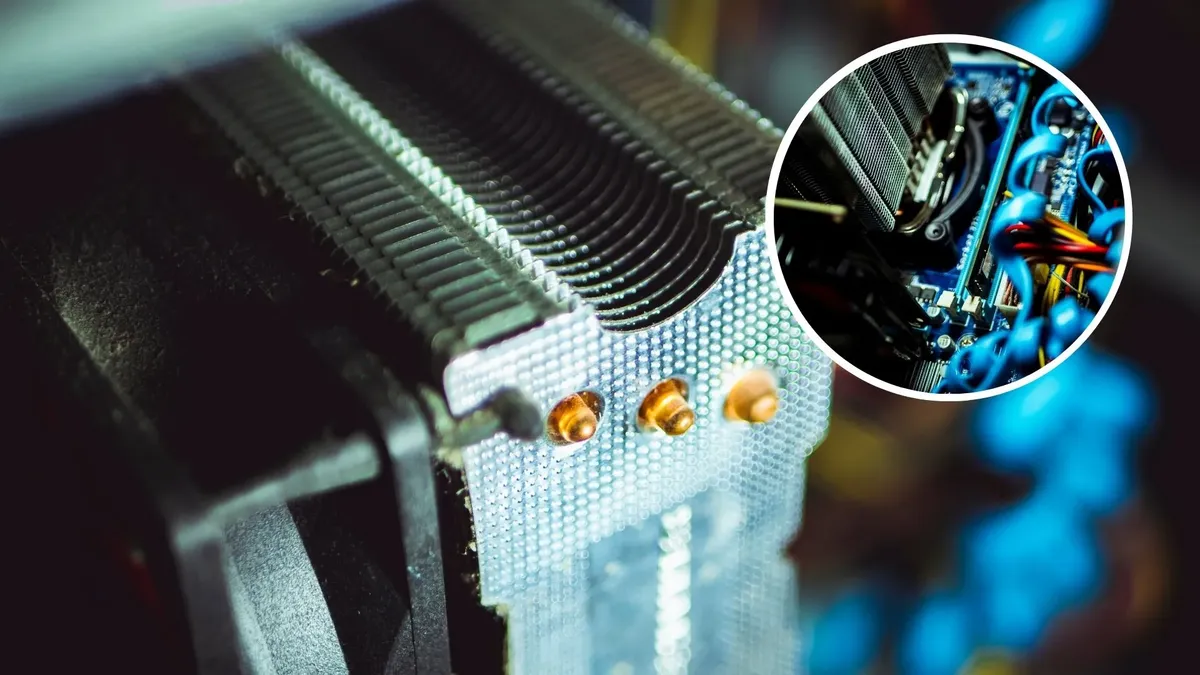
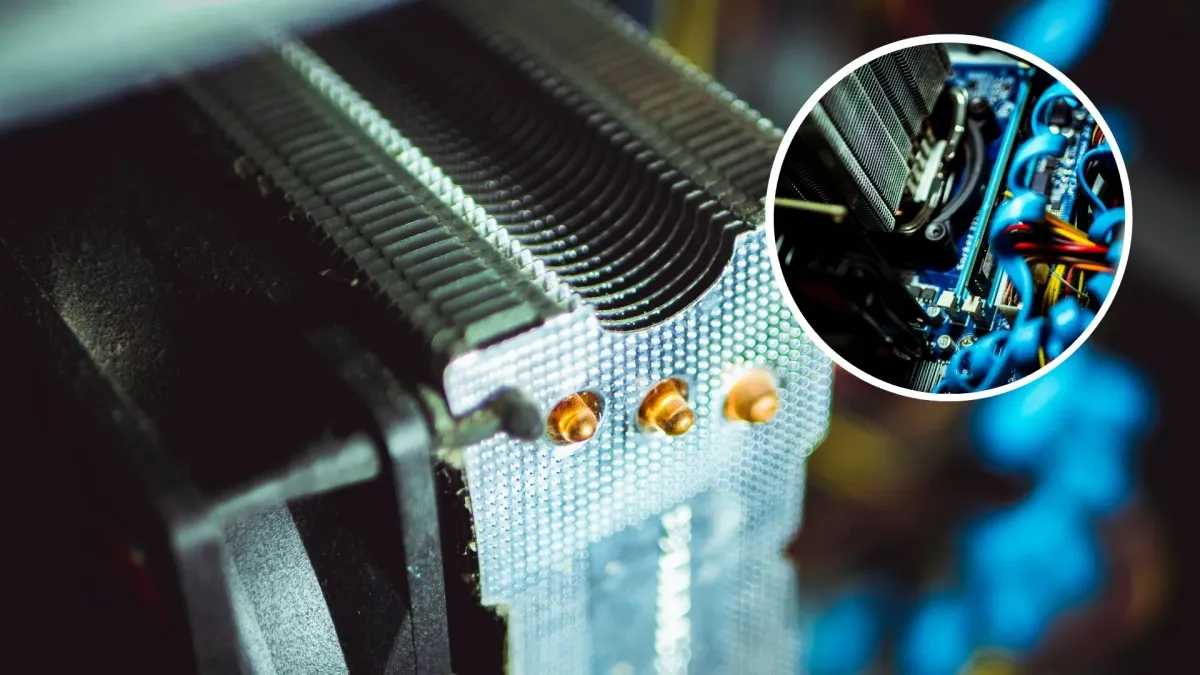
This isn't just a party trick; these thermoelectric materials are crucial for everything from keeping our electronics from melting down to capturing the heat that just… escapes from factories and data centers. Basically, they can convert heat into electricity, and electricity into heat. Because apparently that's where we are now.
We're a new kind of news feed.
Regular news is designed to drain you. We're a non-profit built to restore you. Every story we publish is scored for impact, progress, and hope.
Start Your News DetoxThe Secret Sauce? More Selenium.
The team chose silver and selenium because, thankfully, they're not some exotic, unicorn-tear-infused elements. They're common. Which makes this whole endeavor a lot greener and simpler. They started with tiny silver selenide particles created in a liquid, then added a little extra selenium into the mix, creating what they called Ag₂Se₁.₂.
Here’s the clever part: they just heated this selenium-rich concoction. Selenium has a low melting point, so it liquifies, filling all the tiny gaps between the silver selenide particles. This helps the particles bond, making the material denser and way better at conducting electricity, all while keeping heat loss to a minimum. It’s like the material got a tiny, heat-conducting glow-up.
This tech could juice up small power systems in factories, data centers, and even solar heating systems. Down the line, it might even power the smart devices clinging to your wrist and the health sensors monitoring your insides. The researchers essentially got high performance without needing a complex chemistry degree or industrial-grade pressure cookers.
Oh, and it’s stronger too, meaning it could be molded into all sorts of fun, curved shapes for devices. Because who wants a rigid, boring power source when you can have a sleek, bendy one? The future, it seems, is both efficient and aesthetically pleasing. You're welcome.