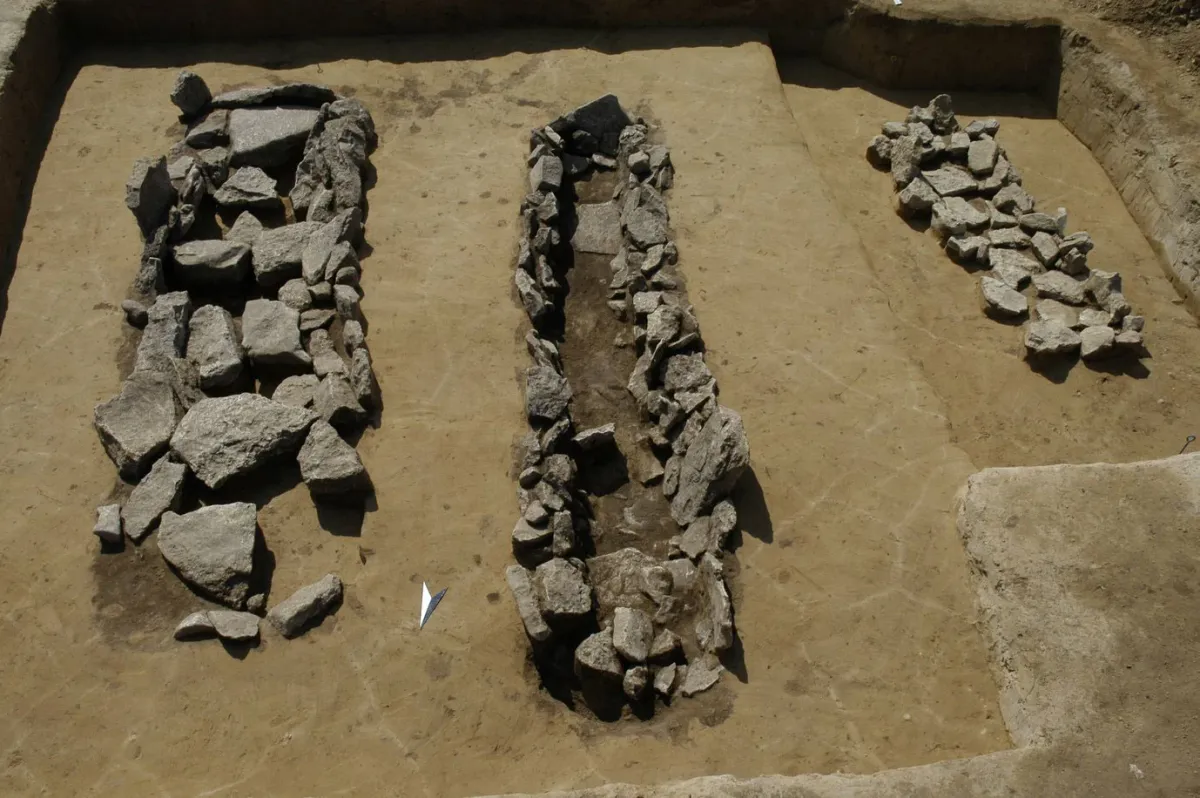
A 3,000-year-old mystery just got a lot clearer. Researchers studying rare burials from Central Germany have pieced together what daily life looked like during the Late Bronze Age—and it's messier, more connected, and way more adaptable than anyone expected.
The breakthrough came from an unusual combination of detective work: ancient DNA, chemical markers in bones, skeletal remains, and burial practices. What emerged is a portrait of communities that weren't isolated or stuck in their ways. They were experimenting, trading, adopting new crops, and constantly reshaping their traditions.
The Genetic Story
Here's what's wild: the genetic data shows ancestry changing gradually across the region, but not through massive population movements. Instead, communities in Central Germany appear to have been increasingly connected through trade networks and cultural exchange—especially with regions south and southeast of the Danube. Ideas and practices spread person to person, not through conquest or large-scale migration.
We're a new kind of news feed.
Regular news is designed to drain you. We're a non-profit built to restore you. Every story we publish is scored for impact, progress, and hope.
Start Your News Detox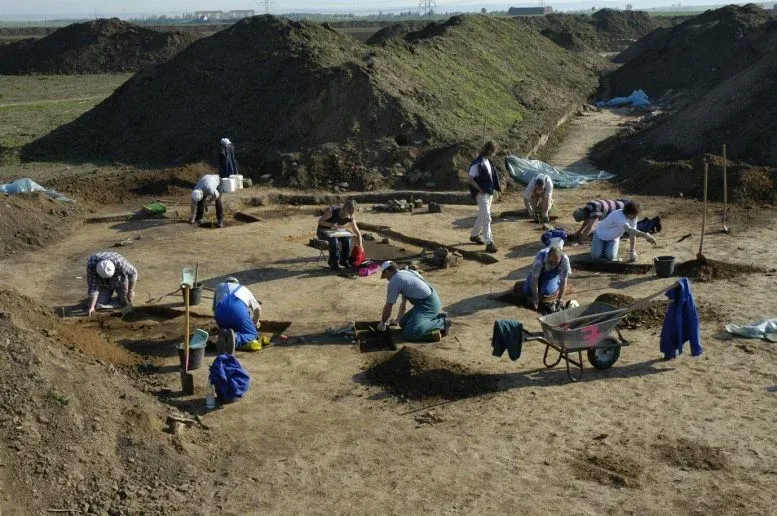
Chemical signatures in bones (strontium and oxygen isotopes) act like a record of where people grew up. Most individuals studied, whether cremated or buried intact, showed markers consistent with local origins. This detail matters because it confirms that cultural change was happening within existing communities, not being imposed from outside.
What They Ate Tells Us Everything
Around the early Late Bronze Age, something new appeared on dinner tables: broomcorn millet, a crop that had traveled all the way from northeast China. It showed up without any major genetic shift in the population—meaning existing communities simply adopted it, probably because it helped them survive environmental stress or economic pressure.
But here's the thing: millet didn't stick around. By the later stages of the period, people returned to wheat and barley. This wasn't failure or resistance to change. It was experimentation. These communities were testing solutions, keeping what worked, and moving on.
Life Was Hard, But They Managed
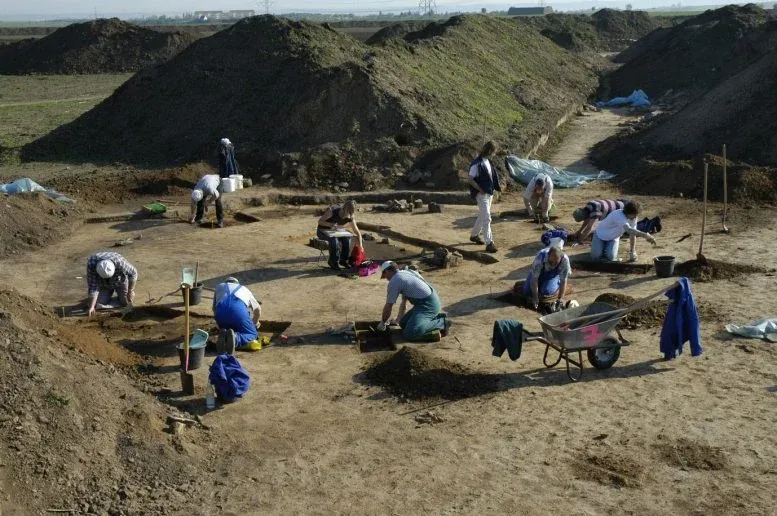
Skeletal remains reveal the physical reality: childhood stress, worn joints, occasional injuries. Daily life in the Late Bronze Age was demanding. Yet the evidence doesn't point to widespread disease or epidemic outbreaks. Most people maintained reasonably good health despite the physical toll.
What's particularly interesting is how they handled death. These communities didn't follow one burial tradition. They cremated some people, buried others intact, deposited only skulls in some cases, and performed multi-stage rituals in others. All of these practices happened side by side, in the same communities. As researcher Orfanou notes, these weren't fringe practices—they were part of a genuine toolkit people could choose from based on what the person meant to them and what they believed about identity and memory.
By combining all this evidence—genetics, chemistry, bones, and burial customs—researchers paint a picture of societies that were far more dynamic than the archaeological record alone could show. These weren't people clinging to tradition or passively accepting change. They were actively shaping their lives, blending old and new, and creating practices that made sense in their increasingly connected world.
The next phase of research will likely dig deeper into how these communities maintained identity while staying connected to broader networks—and what finally led to the collapse of Bronze Age civilization just a few centuries later.