Turns out, our early human ancestors weren't just stumbling upon a saber-toothed tiger's leftovers and calling it dinner. New research suggests that 1.6 million years ago, they were actually quite discerning shoppers, systematically butchering, processing, and even carrying the good cuts of meat home.
Because apparently, even ancient humans knew the best parts of the animal weren't meant for a roadside picnic. Especially when the 'roadside' might involve a pack of hyenas.
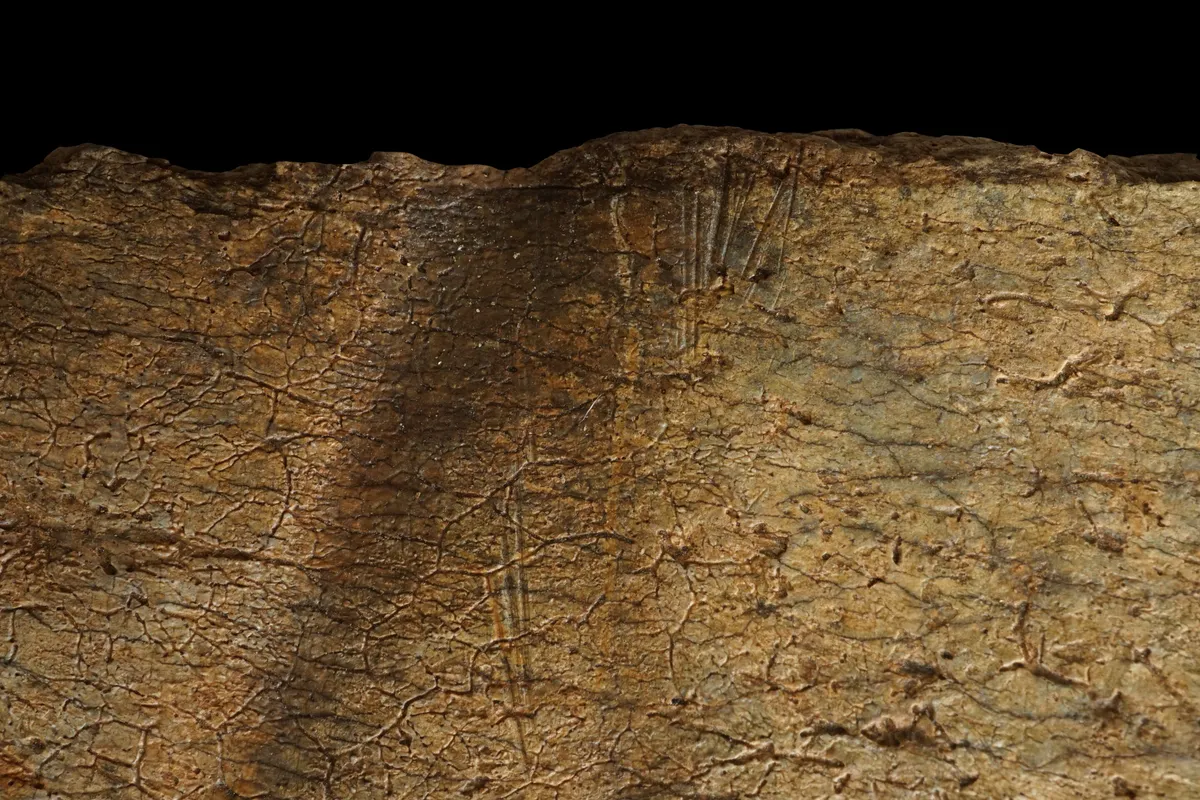
Researchers delved into over 1,000 fossilized bone fragments from Kenya's Koobi Fora Formation. These weren't just any old bones; they were mostly from antelopes and other grazing animals. And with some serious magnification, the team could tell the difference between a predator's tooth marks and the tell-tale nicks of a stone tool. Let that satisfying specificity sink in.
We're a new kind of news feed.
Regular news is designed to drain you. We're a non-profit built to restore you. Every story we publish is scored for impact, progress, and hope.
Start Your News DetoxThe Original Meal Prep
What they found was intriguing: sharp cut marks often appeared in the middle of leg bones. This wasn't the work of a casual scavenger. This meant early Homo was getting to carcasses when there was still plenty of prime meat left. They were stripping it, breaking bones for marrow, and generally making sure no nutrient went to waste. Think of it as the original nose-to-tail dining, but with more rocks and significantly higher stakes.
Crucially, most of the remains found at these sites were limb bones, not entire skeletons. This is the smoking gun (or, rather, the missing skull) that tells us early humans weren't just eating where the animal dropped. They were hauling the choicest cuts — the meaty legs — to safer spots, perhaps near water, away from larger, hungrier predators. Because why risk becoming dinner when you've just secured your own?
This consistent strategy, maintained across diverse environments ranging from vast grasslands to dense floodplains, paints a picture of surprisingly sophisticated foraging. It shows a stable, flexible approach to getting high-quality food, no matter the changing landscape or competition.
Brain Food, Literally
And why does this matter? Well, consistently getting your hands on nutrient-rich, high-quality food like meat provides serious energy. The researchers believe this reliable access to caloric density helped fuel the evolution of larger brains over time. Which, if you think about it, is both impressive and slightly terrifying: an entire species' intellectual development hinged on who got to the antelope first and how well they could carry its leg.
It also likely supported the development of more complex social behaviors. Because nothing says 'teamwork' quite like a group of early humans coordinating to bring home the bacon. Or, you know, the antelope leg. And then sharing it. Probably. So next time you're carefully selecting your steak at the grocery store, spare a thought for your ancestors. They were doing the same, just with more grit, a lot less refrigeration, and a very real chance of being eaten themselves.