SpaceX has applied to the Federal Communications Commission to deploy up to one million satellites into low Earth orbit. The stated goal: create "orbital data centers" that would process artificial intelligence computations at a scale that ground-based facilities can't match.
The company already operates Starlink, a network of nearly 10,000 satellites that beams internet to remote areas worldwide. Adding a million more would represent a staggering expansion—one that SpaceX argues would be greener than traditional data centers, which consume enormous amounts of electricity and water for cooling. A solar-powered constellation in space, the company suggests, could serve billions of users while sidestep the environmental footprint of warehouse-scale computing on Earth.
The Friction Points
But the proposal has triggered pushback from multiple directions. Astronomers report that radio signals from Starlink's existing satellites are interfering with their telescopes, making it harder to observe distant galaxies and track potentially hazardous asteroids. The more satellites launched, the worse this problem becomes.
We're a new kind of news feed.
Regular news is designed to drain you. We're a non-profit built to restore you. Every story we publish is scored for impact, progress, and hope.
Start Your News DetoxThen there's the practical concern: space debris. Every satellite launched increases the risk of collisions in low Earth orbit, which could fragment into thousands of pieces, each traveling at 17,500 miles per hour. One catastrophic collision could trigger a cascade effect—debris hitting other satellites, creating more debris, until entire orbital zones become unusable. It's a scenario space agencies have worried about for decades.
Launching hardware to orbit also remains expensive. Even as SpaceX has made space travel cheaper through reusable rockets, the cost per satellite adds up quickly when you're talking about a million units.
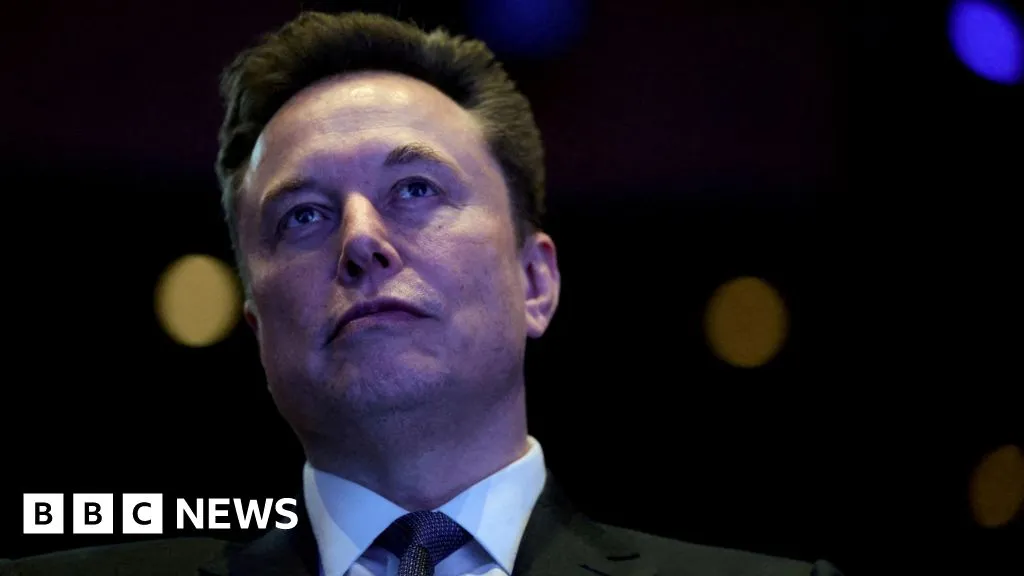
Musk has pushed back against congestion concerns, arguing that space is so vast that even a million satellites would be "so far apart that it will be hard to see from one to another." Whether that calculation accounts for the concerns of astronomers and debris-tracking experts remains an open question.
The FCC will now weigh whether the benefits of orbital computing infrastructure outweigh the risks of further crowding Earth's most valuable orbital real estate. The decision could shape not just SpaceX's future, but the future of space itself.