Citizen scientists now hunting fainter asteroids from Arizona observatory

Citizen scientists just got more asteroids to hunt. The Daily Minor Planet project is doubling its data stream with a second powerful telescope, expanding the search for potentially hazardous near-Earth objects.

1 min read
United States
11 views✓ Verified Source
Share

The Daily Minor Planet citizen science project is growing. It now uses data from a second telescope. This means more chances for people to help find asteroids.

New Data from the Bok Telescope

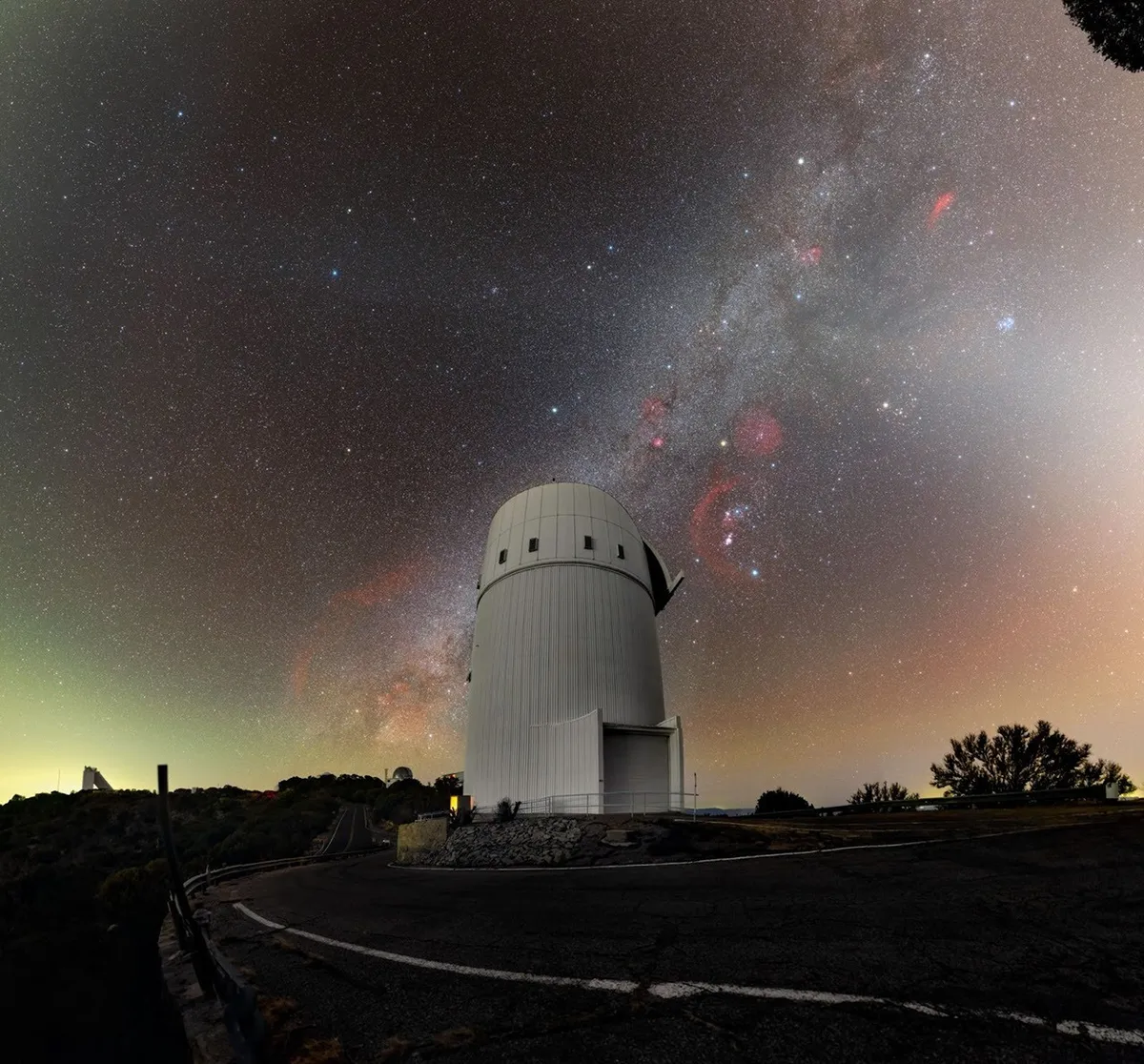
The project already gets data from the Mt. Lemmon telescope in Arizona. Now, it also processes images from the Bok 2.3-meter telescope. The Bok telescope is at Kitt Peak National Observatory. It is run by the University of Arizona's Steward Observatory. This telescope looks for new near-Earth objects (NEOs). These are asteroids that cross Earth’s path.

The Bok telescope provides deeper views. It can see objects two to three times fainter than the Mt. Lemmon telescope. Computer programs often struggle with these faint objects. But humans are good at finding patterns in this kind of data. This makes citizen scientists' help even more important.

Wait—What is Brightcast?

We're a new kind of news feed.

Regular news is designed to drain you. We're a non-profit built to restore you. Every story we publish is scored for impact, progress, and hope.

Start Your News Detox

Most of the new data from the Bok telescope comes from the ecliptic. This is the part of the sky where asteroids and comets usually travel. The project team believes this deeper, ecliptic-focused data will help them find and confirm more main-belt asteroids. It will also bring in many new near-Earth asteroid candidates.

Look for new Bok data sets as they are added. They will be more challenging but also more rewarding.

The Daily Minor Planet is a citizen science project on Zooniverse. It uses data from the Catalina Sky Survey. Anyone with a laptop or smartphone can join.

66
HopefulSolid documented progress

Brightcast Impact Score

The Daily Minor Planet expands its citizen science capability by integrating deeper, more sensitive telescope data from Kitt Peak, enabling volunteers worldwide to discover near-Earth asteroids with improved detection of fainter objects. This represents a meaningful innovation in crowdsourced astronomical research with global accessibility and lasting scientific value, though the article lacks specific metrics on expected discoveries or participant impact.

26

Hope

Solid

23

Reach

Strong

17

Verified

Solid

Wall of Hope

0/50

Be the first to share how this story made you feel

How does this make you feel?

1
2
3
4
5
6
7
8
9
10
11
12
13
14
15
16
17
18
19
20
21
22
23
24
25
26
27
28
29
30
31
32
33
34
35
36
37
38
39
40
41
42
43
44
45
46
47
48
49
50

Connected Progress

Drop in your group chat

Apparently the Daily Minor Planet citizen science project just added a second telescope that can spot asteroids two to three times fainter than before. www.brightcast.news

Share

Originally reported by NASA · Verified by Brightcast

Get weekly positive news in your inbox

No spam. Unsubscribe anytime. Join thousands who start their week with hope.

More stories that restore faith in humanity