Volunteers spot which sun patches cause the worst solar flares

Citizen scientists discovered something surprising: the Sun's magnetic hotspots flare far more often than expected, revealing new secrets about our star's violent temperament.

1 min read6 views✓ Verified Source
Share

Why it matters: This discovery helps scientists better predict dangerous solar storms, protecting satellites, power grids, and communications that billions of people rely on daily.

The Sun's surface often has areas with strong magnetic fields. These areas, called active regions, can appear quickly. They can also fade away slowly or quickly, sometimes over days, weeks, or even months.

A new study looked at active regions that last a long time. These are patches where strong magnetic fields take at least a month to disappear.

Citizen Scientists Help Uncover Solar Secrets

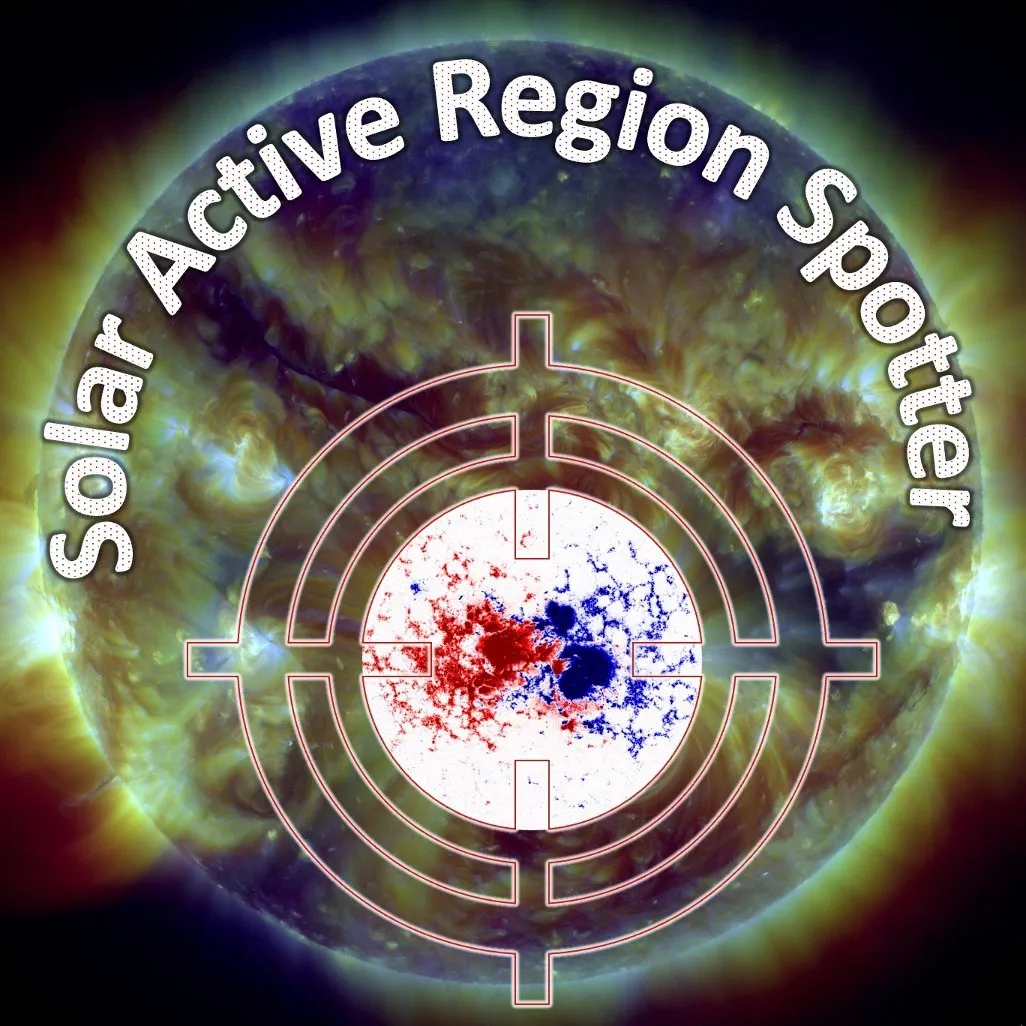
This study used help from NASA's Solar Active Region Spotter project. Volunteers answered questions about pairs of images from NASA’s Solar Dynamics Observatory.

Wait—What is Brightcast?

We're a new kind of news feed.

Regular news is designed to drain you. We're a non-profit built to restore you. Every story we publish is scored for impact, progress, and hope.

Start Your News Detox

Project leaders Emily Mason and Kara Kniezewski analyzed the data from these volunteers. They found something surprising. Long-lasting active regions produce many more solar flares than shorter-lived ones.

These long-lived regions are also three to six times more likely to cause the most powerful solar flares. This suggests that these long-lasting active regions are very important for predicting space weather. They could also give us clues about the Sun's magnetic fields deep inside.

The Solar Active Region Spotter project is now finished. You can find out more about its results online.

Deep Dive & References

New study about these long-lived active regions - The Astrophysical Journal, 2024

79
SignificantMajor proven impact

Brightcast Impact Score

This article celebrates a successful citizen science initiative where volunteers contributed to a NASA study that discovered important patterns about long-lived solar active regions and their disproportionate flare production. The project demonstrates how crowdsourced data analysis can advance space weather prediction capabilities. The discovery is scientifically significant with clear metrics (3-6x likelihood), though the emotional resonance is moderate and beneficiary count is harder to quantify.

29

Hope

Strong

24

Reach

Strong

26

Verified

Outstanding

Wall of Hope

0/50

Be the first to share how this story made you feel

How does this make you feel?

1
2
3
4
5
6
7
8
9
10
11
12
13
14
15
16
17
18
19
20
21
22
23
24
25
26
27
28
29
30
31
32
33
34
35
36
37
38
39
40
41
42
43
44
45
46
47
48
49
50

Connected Progress

Drop in your group chat

Apparently volunteers analyzing NASA solar images found that long-lived magnetic patches on the Sun produce way more flares than expected. www.brightcast.news

Share

Originally reported by NASA · Verified by Brightcast

Get weekly positive news in your inbox

No spam. Unsubscribe anytime. Join thousands who start their week with hope.

More stories that restore faith in humanity