The Federal Transit Administration just handed $100.3 million to the 11 American cities hosting the 2026 FIFA World Cup, and it's all earmarked for one thing: getting fans to the games without gridlock.
The money covers everything from planning new transit routes to actually running buses and trains during the tournament window (June through July 2026). It's a pretty straightforward bet: if five to seven million international visitors show up — and organizers expect they will — you need transit infrastructure that doesn't collapse under the weight.
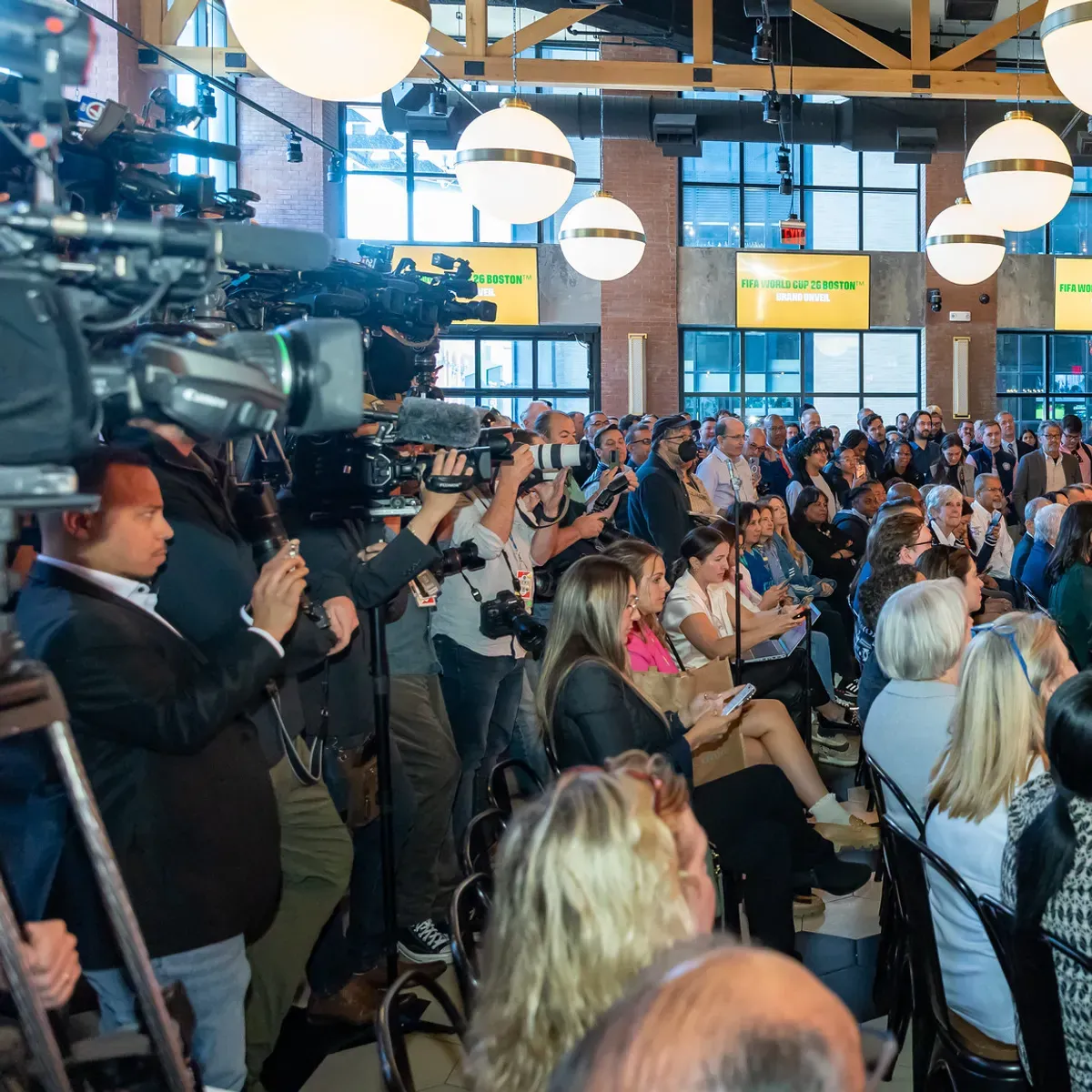
"The effort has become the largest whole-of-government sporting event operation ever undertaken in the United States," Andrew Giuliani, executive director of the White House Task Force on the FIFA World Cup 2026, said at a December briefing. The government has committed over $1 billion just for security. The transit funding is the transportation half of that equation.
We're a new kind of news feed.
Regular news is designed to drain you. We're a non-profit built to restore you. Every story we publish is scored for impact, progress, and hope.
Start Your News DetoxTransportation Secretary Sean Duffy framed it in visitor terms: "We're proud to partner with host cities to provide fans with a seamless travel experience that will be part of the memories they cherish from attending these historic games." Translation: nobody wants to remember the World Cup as the time they spent two hours on a broken escalator.
Who Gets What
New York-Jersey City-Newark leads the pack with $10.4 million. Dallas-Fort Worth-Arlington gets $10 million. Los Angeles takes $9.6 million. The remaining eight cities — Atlanta, Boston, Houston, Kansas City, Miami-Fort Lauderdale, Philadelphia, San Jose, and Seattle-Tacoma — split the rest, ranging from $8.4 million to $9.4 million.
There's a catch: the money only covers regularly scheduled, public transit. Charter buses, Amtrak service, and courtesy shuttles don't qualify. Cities have to think about their existing systems and how to scale them during tournament month.
The Federal Transit Administration is hosting a webinar March 11 to walk cities through the application process, funding requirements, and eligibility rules. For cities that have spent the last few years building out their transit networks, this is the moment to connect those dots — and get reimbursed for it.