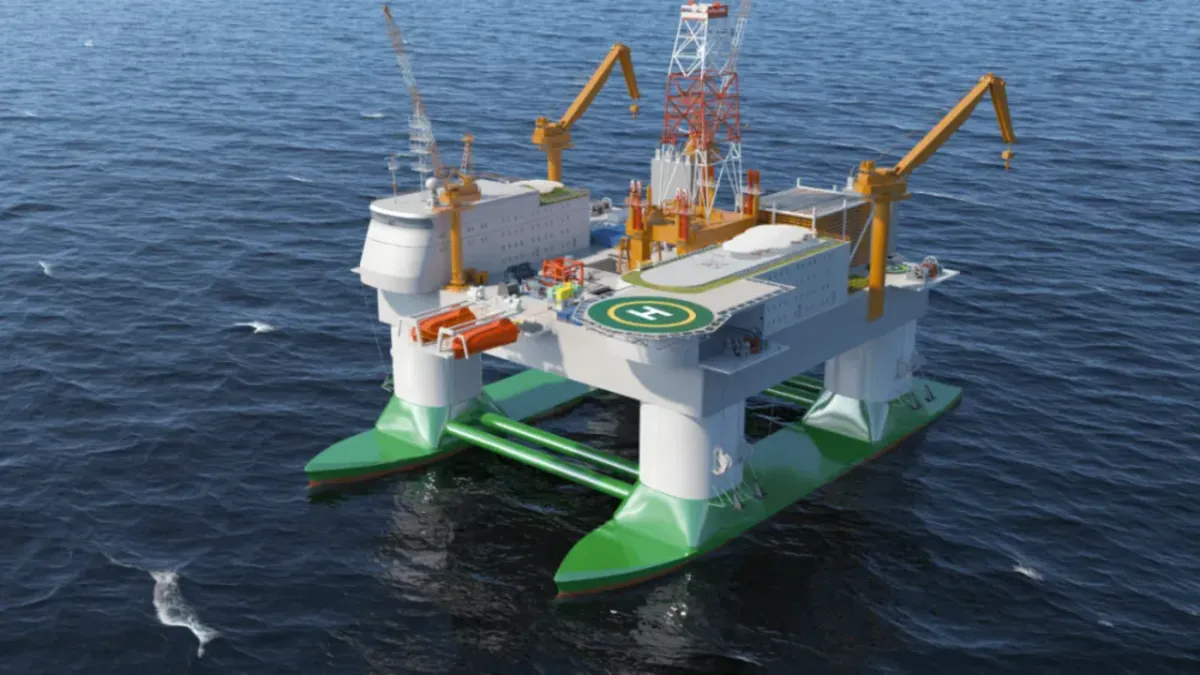
China just launched something that sounds straight out of a Bond villain's blueprint: the world's first ultra-large, open-sea floating research platform. Think of it as a mobile, un-sinkable science lab designed to brave the absolute worst the ocean can throw at it.
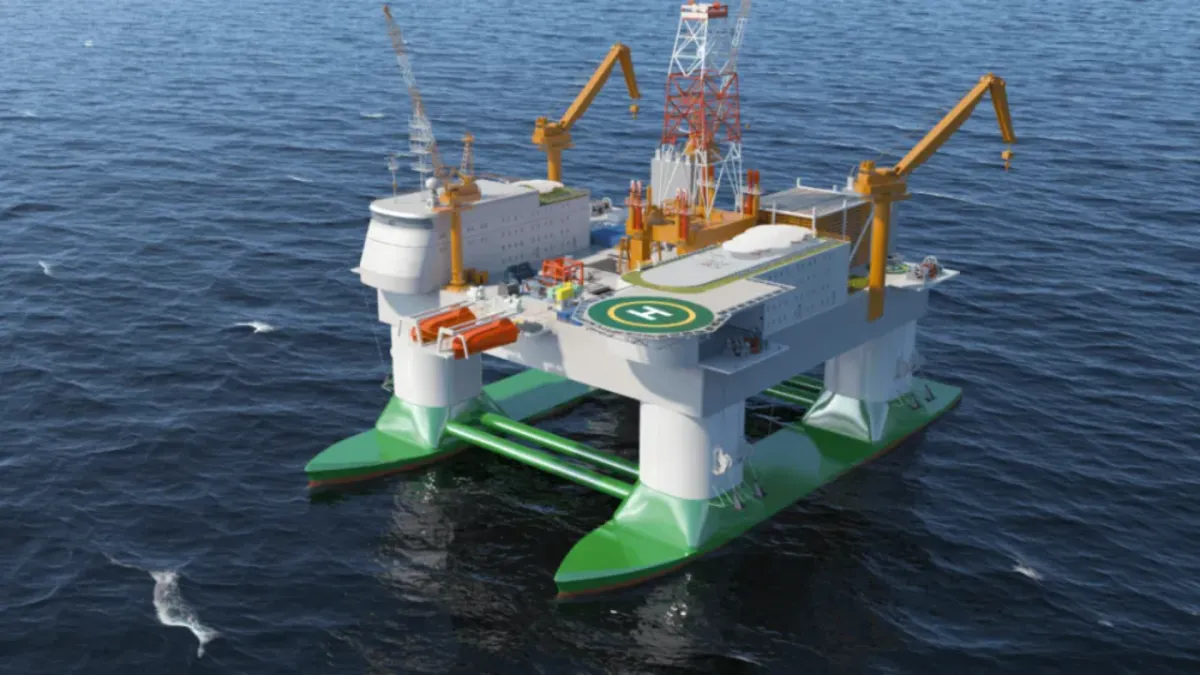
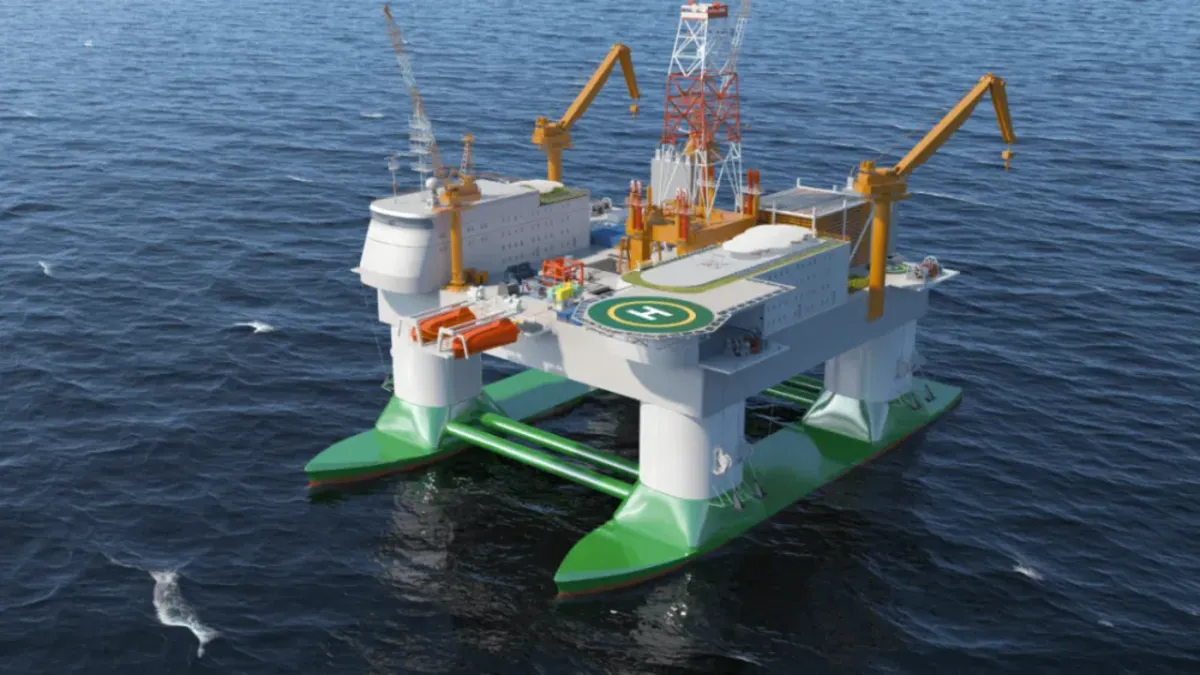
This isn't just a big boat. It's a semi-submersible twin-hull behemoth, engineered to stay eerily stable even in the kind of rough seas that send lesser vessels scrambling for port. Its mission? To expand China's deep-sea research capabilities, supporting everything from marine equipment development to resource exploration, all the way down to a staggering 32,800 feet.
The Deep Dive Ahead
This "Open-Sea Floating Island" is actually a three-part system: a central floating platform, a fleet of ship-based labs, and land support. It's designed to operate continuously, meaning scientists can finally run massive, long-term experiments out in the actual ocean, not just near the shore or in a glorified bathtub.
We're a new kind of news feed.
Regular news is designed to drain you. We're a non-profit built to restore you. Every story we publish is scored for impact, progress, and hope.
Start Your News DetoxDeveloped by Shanghai Jiao Tong University (SJTU), this platform fills a critical gap. Existing research vessels can get to a site, but then they're subject to the whims of the waves. This new platform can become the site, transforming into a stable base for extended missions, thanks to its immense load capacity and formidable resistance to bad weather.
Expected to be fully operational by 2030, it will serve as an open-sea testing ground for deep-sea mining systems (because apparently that's where we are now) and a host of other marine technologies. Beyond the industrial applications, it's also slated to help us understand everything from ocean ecosystems to the very origins of life. Oh, and it's also expected to significantly improve typhoon forecasting, which, if you live anywhere near a coast, is a pretty nice bonus. So, a floating island that helps us mine the deep, understand life, and dodge hurricanes? That's quite the party trick.