For centuries, authenticating art has been a high-stakes game of educated guesses, historical documents, and the occasional gut feeling. Now, French scientists have thrown a new, undeniably cool tool into the mix: surface metrology.
Think of it as forensic science for brushstrokes. Researchers at the Polytechnic University of Hauts-de-France have developed a method that analyzes the unique, microscopic topography of a painting's surface — the tiny hills and valleys left by an artist's brush. It's like giving every artwork its own unique fingerprint, but instead of skin ridges, it's paint.
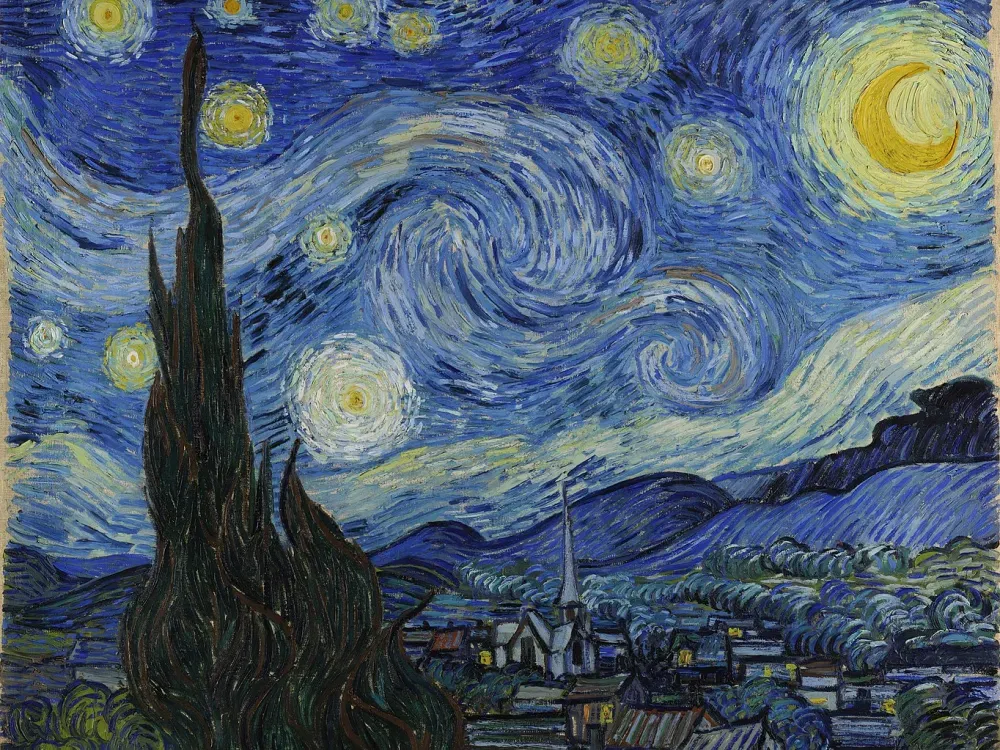
The Secret Life of Brushstrokes
Historically, this kind of ultra-detailed surface analysis was reserved for industrial purposes, like making sure your car parts were perfectly smooth. But scientists Francois Berkmans, Ludovic Nys, and Maxence Bigerelle saw its potential for cracking the art world's toughest nut: fakes.
We're a new kind of news feed.
Regular news is designed to drain you. We're a non-profit built to restore you. Every story we publish is scored for impact, progress, and hope.
Start Your News DetoxTheir technique involves high-resolution scans that map out what they call "fractal dimensions" — essentially, the minute, invisible variations in an artist's hand. These aren't things you can spot with a magnifying glass; these are the deeply personal, almost subconscious quirks of how paint hits canvas.
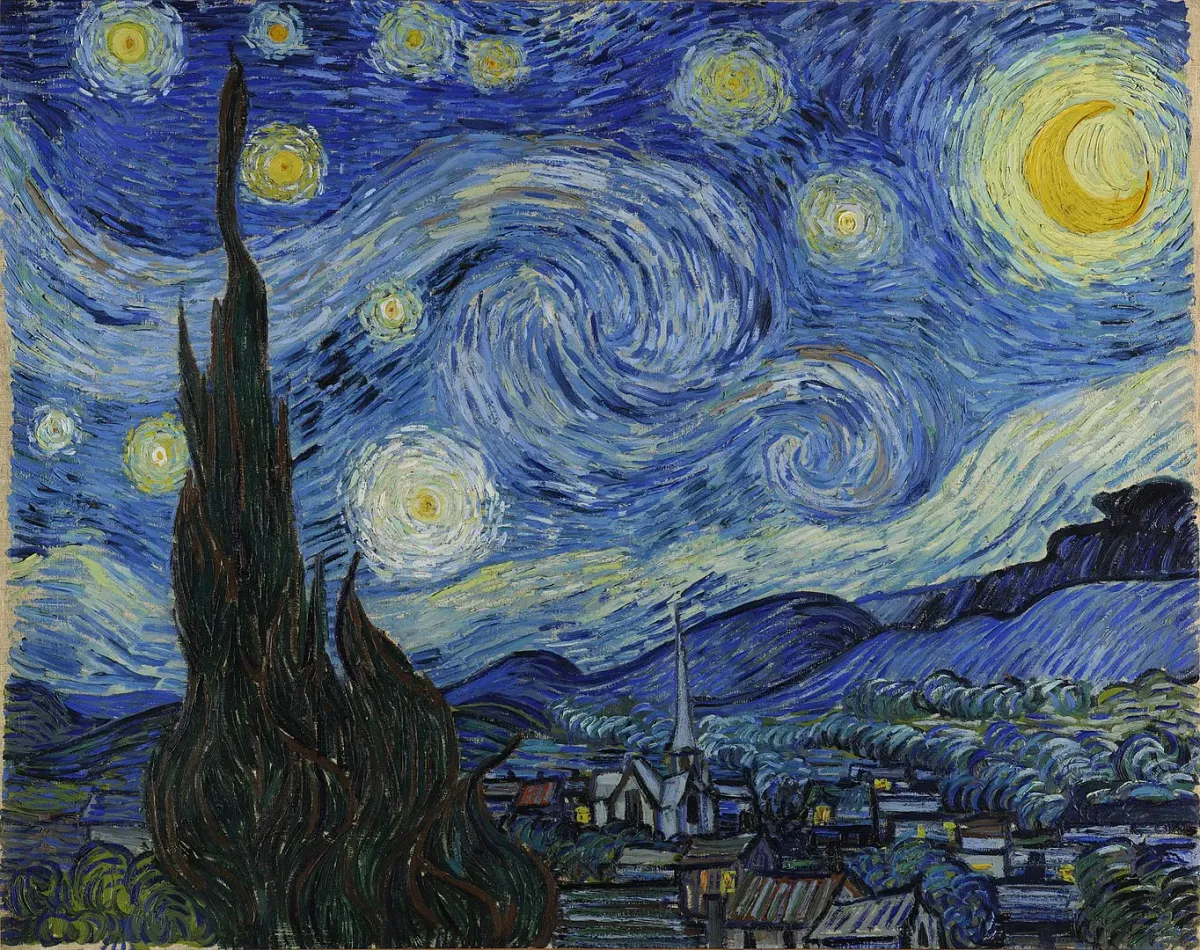
The team put their method to the test, starting with nine confirmed Vincent van Gogh paintings. They then applied their findings to two other works. One was a known forgery, which the tech sniffed out as an imposter without breaking a sweat. The other? Sunset at Montmajour, a painting that the Van Gogh Museum finally authenticated in 2013 after years of debate. The new tech confirmed it, too.
Berkmans is quick to point out this isn't about replacing the seasoned eyes of art experts. Instead, it's about giving them an objective, measurable "fingerprint" of an artist's technique — all without ever having to touch, scrape, or otherwise disturb a priceless masterpiece. Which, if you're an art collector, is probably the most beautiful part of all.