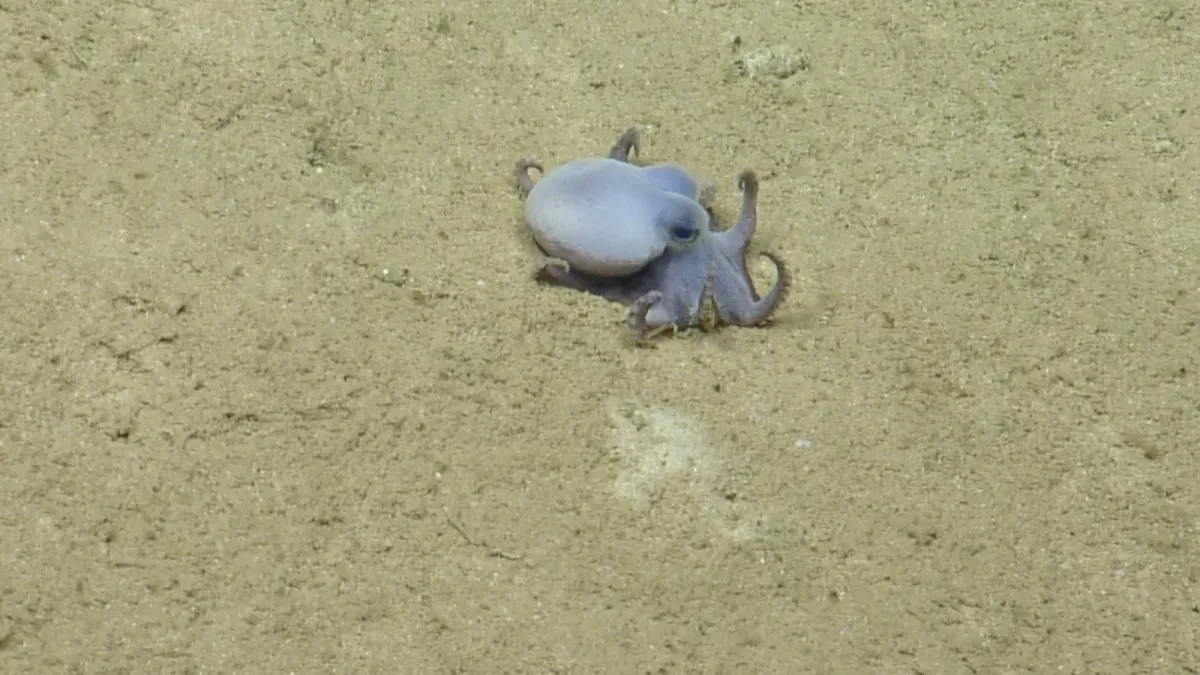
Imagine being nearly 6,000 feet deep in the ocean, piloting a remotely operated vehicle, when suddenly, a tiny, bright blue octopus the size of a golf ball just… appears. That's precisely what happened to scientists near the Galápagos Islands in 2015, leading to the discovery of Microeledone galapagensis.
This isn't your average aquarium fare. This little cephalopod is so vibrant, it practically glows against the deep-sea gloom. And when researchers first spotted it, a voice on the audio feed couldn't help but gush, calling it a "cute little guy." Which, if you think about the typical denizens of the deep, is high praise indeed.
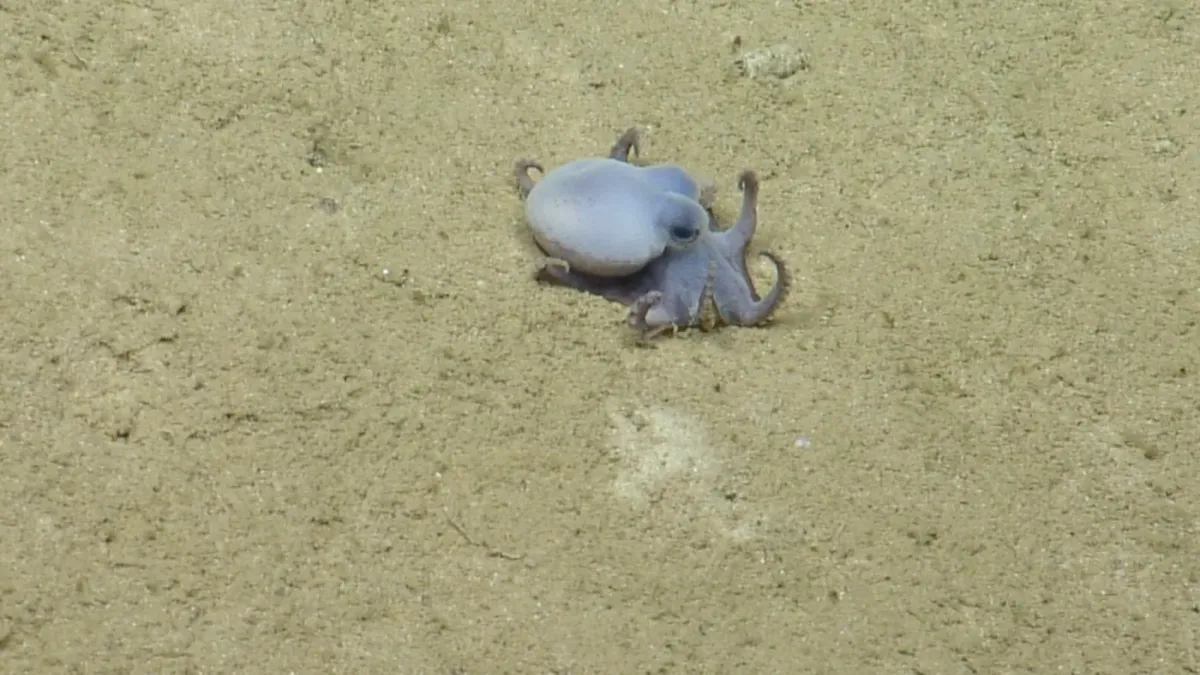
The team managed to collect one specimen, then filmed two more. But identifying a brand-new species usually involves a rather destructive process: the scientific autopsy. The problem? This was the only one. Destroying it to study it felt a bit like burning the Mona Lisa to figure out the paint. Enter Janet Voight, an octopus expert at the Field Museum, who immediately knew this wasn't just any octopus.
We're a new kind of news feed.
Regular news is designed to drain you. We're a non-profit built to restore you. Every story we publish is scored for impact, progress, and hope.
Start Your News DetoxThe X-Ray Solution
Voight and her colleagues faced a dilemma. They needed to peek inside, but without, you know, peeking inside. The solution came from micro-computer tomography (CT) scanning. Stephanie Smith, the Field Museum's X-ray CT lab manager, stepped in like a superhero with a scanner. She created a detailed 3D model of the octopus's entire anatomy from thousands of X-ray images. Non-destructive, precise, and frankly, a bit like magic.
After years of meticulous work, Microeledone galapagensis was officially confirmed as a new species. This was the first octopus Voight had described in her four-decade career. Let that sink in: forty years of studying octopuses, and this tiny blue marvel was the one that finally got its formal introduction to science. "Hardly anybody on Earth has ever gotten to see them," Voight mused, feeling lucky to have worked with them.
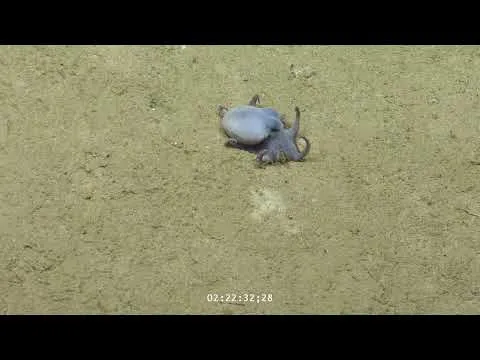
So next time you're feeling small, remember this little blue octopus, living its best life thousands of feet down, reminding us that the ocean still holds secrets so charming, they make hardened scientists call them "cute little guys."