The bark on a tree doesn't seem like much — just a protective layer between the wood and the weather. But researchers at Monash and Southern Cross universities in Australia have discovered that it's actually a bustling chemical processing plant, teeming with microbes that consume methane, hydrogen, carbon monoxide, and volatile organic compounds.
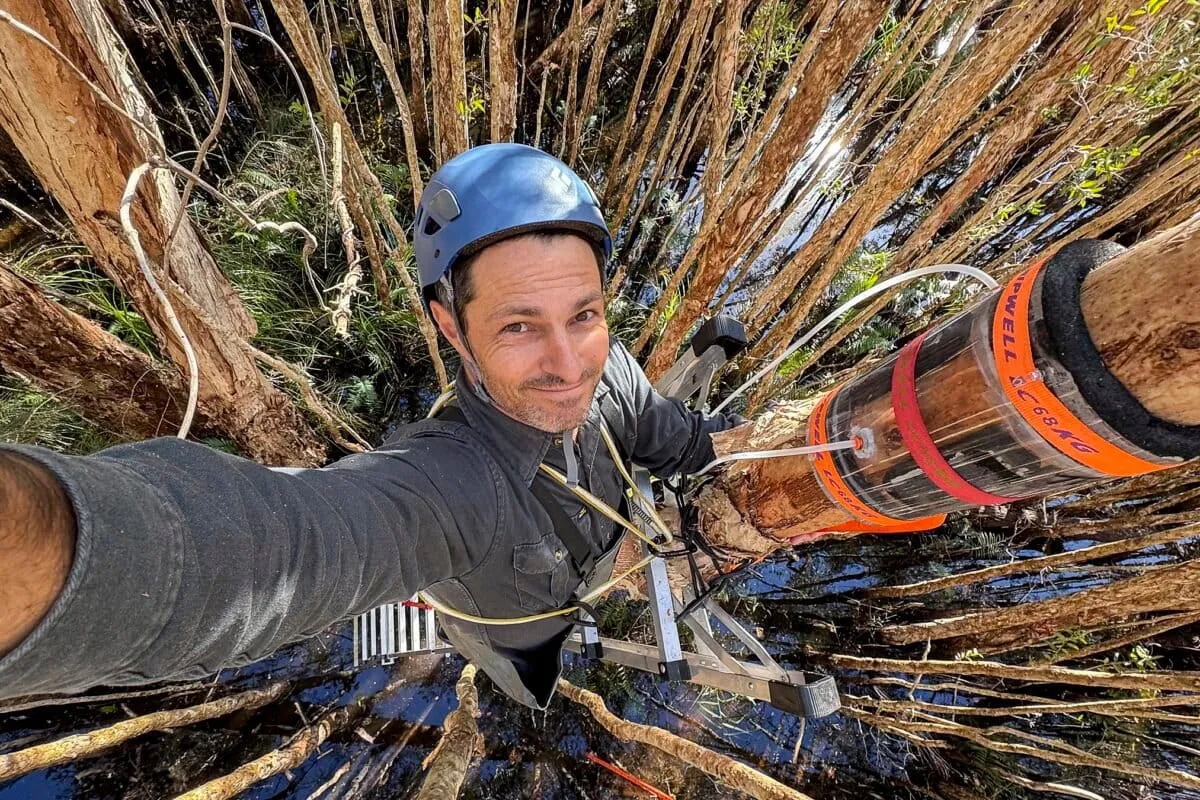
For years, scientists knew tree bark hosted diverse microbial communities. What they didn't know was what those microbes were actually doing. A new study published in Science changed that. Researchers sampled bark from eight common Australian trees across subtropical eastern Australia, then used genetic analysis and field measurements to identify the microbes and track what gases they were consuming.
The results were striking. The bark microbiomes weren't just passively existing — they were actively digesting some of the atmosphere's most problematic gases. Methane, which is at least 20 times more potent than carbon dioxide as a greenhouse gas, was a major target. So were hydrogen and carbon monoxide, both indirect greenhouse gases, along with volatile organic compounds that harm air quality.
We're a new kind of news feed.
Regular news is designed to drain you. We're a non-profit built to restore you. Every story we publish is scored for impact, progress, and hope.
Start Your News Detox"We've known for a while that tree bark hosts a huge diversity of microbes, but now we've shown that these microbes are playing a major role in consuming greenhouse gases and toxic air pollutants," said Pok Man Leung, co-lead author of the study.
The scale of what's happening is hard to overstate. The research team estimates that microbial communities in Australian tree bark could be consuming up to 10% of the country's total methane emissions. That's not a small rounding error — that's a meaningful slice of the nation's greenhouse gas budget, happening silently on tree trunks across forests, parks, and backyards.
This discovery reshapes how scientists think about trees. They've long been valued for carbon sequestration through photosynthesis. Now it turns out they're also hosting microscopic allies that actively scrub the air of potent pollutants. The implications ripple outward: climate models may need recalibration, and the role of trees in regulating atmospheric composition looks far more complex than previously understood.
Leung is careful not to overstate the findings. "This is just the tip of the iceberg," he said. "We still have so much to learn about the critical functions these microbes are performing in ecosystems around the world." The study focused on Australian trees in specific biomes — what's happening in tropical rainforests, boreal forests, or urban tree-lined streets remains to be mapped.
The next phase is already underway: understanding whether these gas-consuming microbes are doing similar work globally, and whether we can better harness or protect these hidden ecosystems as part of a broader climate strategy.