A small group of dogs have figured out something most of their species haven't: they can learn the names of toys. These gifted word learners—mostly Border Collies—pick up vocabulary at a pace that baffles researchers. Now scientists think they've found the secret, and it's not about intelligence alone. It's about wanting to connect.
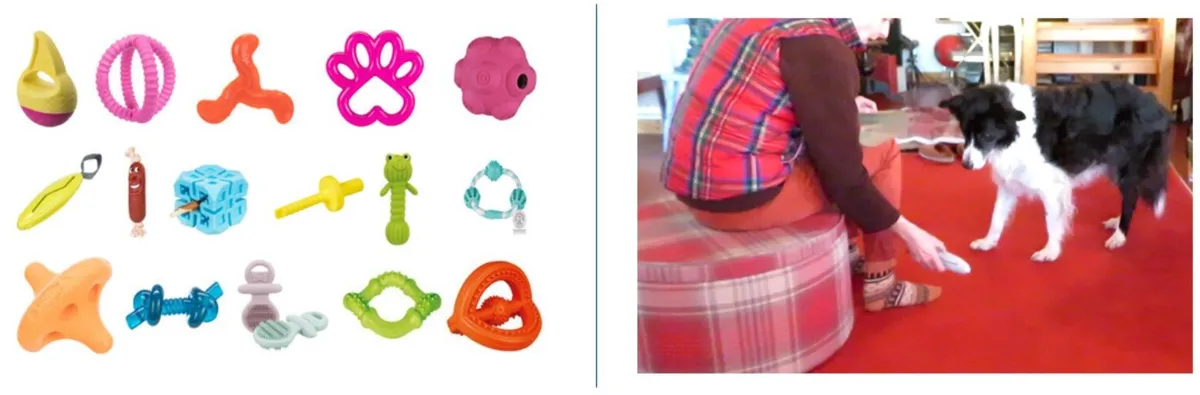
Researchers at Eötvös Loránd University in Budapest studied 10 of these exceptional dogs alongside 21 typical Border Collies. Over two weeks, each dog played with four toys: two that owners repeatedly named, and two they didn't. You might expect the gifted learners to show more interest in the labeled toys, to sniff them longer or play with them more carefully. They didn't. When it came to basic exploration and preference, both groups looked identical.
But something else emerged in the data. The gifted word learners did something their typical cousins didn't: they brought toys to their owners more often. They initiated play. They seemed to want to share the experience.
We're a new kind of news feed.
Regular news is designed to drain you. We're a non-profit built to restore you. Every story we publish is scored for impact, progress, and hope.
Start Your News DetoxThe Social Thread
This shift how researchers think about dog vocabulary. Learning a word isn't a solo cognitive feat—it's something that happens in the space between dog and human, during moments of shared attention. It mirrors how human children learn language. A toddler doesn't absorb words from a textbook; they learn them while playing with a parent, watching where the parent looks, sensing what the parent finds interesting.
The gifted learners appear to be doing something similar. Their ability to learn toy names may depend less on raw processing power and more on their drive to engage socially, to turn a moment of play into a moment of communication. They're not just smarter. They're more interested in connecting.
This reframes what "gifted" means in this context. It's not about being exceptional at memorization or pattern recognition in isolation. It's about being exceptionally motivated to share meaning with another being. The researchers noted this opens a path for future work: understanding how social motivation, communicative intent, and vocabulary learning link together—not just in dogs, but across species.
The findings don't explain everything about how dogs acquire language. But they suggest that the foundation isn't hidden in the brain's processing power. It's built in the willingness to play together, to offer a toy and wait for a response, to care what another being thinks.