When Kristina Brecko arrived at Stanford in 2012, she was checking the forecast for snow, not rain. A drought was about to reshape that priority.
California's severe drought from 2012 to 2017 hit hard. Cities pleaded with residents to let lawns brown and cut water use. The heaviest users—often homeowners with sprawling green yards—mostly ignored the pleas. This gap between messaging and behavior became the question driving Brecko's research: was any of the public messaging actually working?
The answer, it turned out, was no. At least not alone.
When Messaging Fails, Try Removing the Friction
Brecko and her advisor Wesley Hartmann borrowed a concept from public health called harm reduction. Instead of demanding people quit something they love, the approach reduces damage among people unlikely to change completely. In drought-stricken suburbs, that meant accepting that some people wanted to keep their lawns green—and offering them a tool to do it efficiently.
We're a new kind of news feed.
Regular news is designed to drain you. We're a non-profit built to restore you. Every story we publish is scored for impact, progress, and hope.
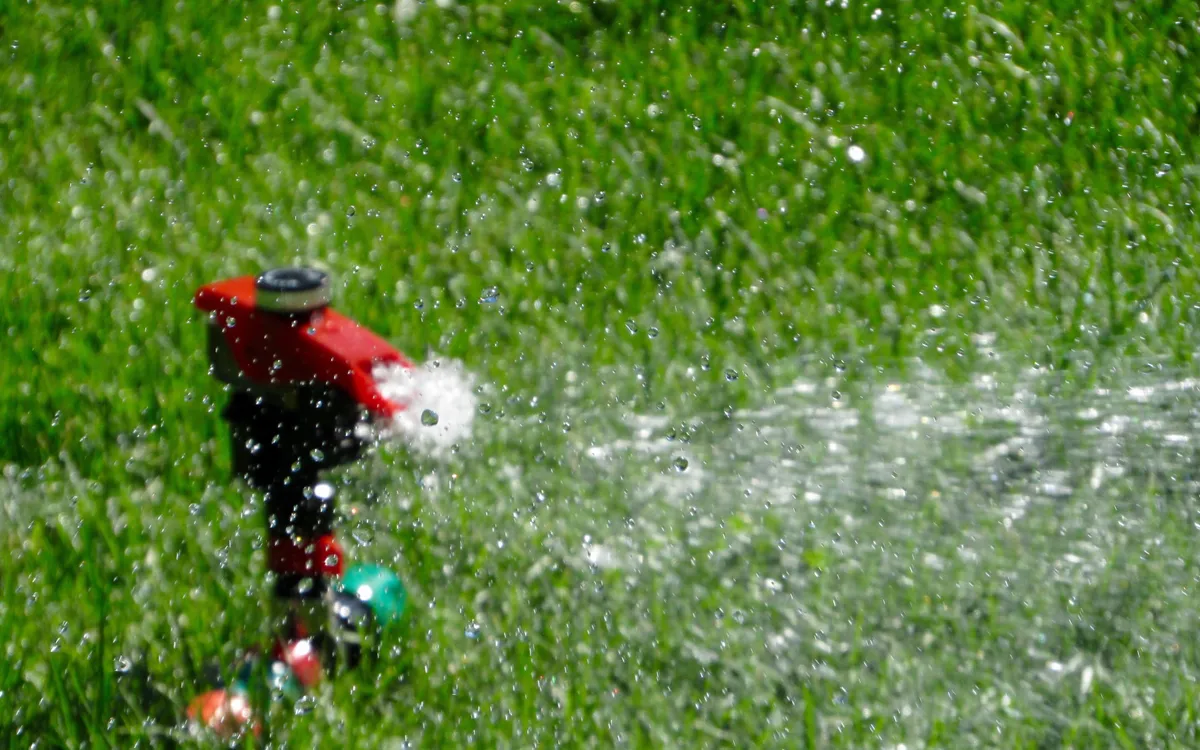
Start Your News DetoxThe tool was a smart irrigation controller, a device that automatically adjusts watering schedules based on weather and soil conditions. The researchers tested whether offering these controllers at steep discounts or free could shift behavior among the households using the most water.
They ran two large-scale experiments in Redwood City. The first, in 2016, offered discounts to roughly 7,000 households. Adoption was slower than expected. The second experiment, in 2017, scaled up dramatically—about 19,000 households were randomly assigned to receive a free smart irrigation device. The response was swift. Price and convenience, it turned out, mattered far more than any conservation message.
The heavy irrigators adopted the devices at the highest rates. Once installed, the controllers delivered real results: water use dropped about 26% during shoulder seasons. The conserved water paid back the typical $250 device cost in roughly six months. Importantly, the study found no evidence that offering smart controllers undermined more aggressive conservation efforts like turf removal.
The Middle Ground Works
The findings push back against the all-or-nothing approach that often dominates environmental messaging. The most effective solution—lawn removal—will never appeal to everyone. But by letting high-water users keep what they care about while reducing the cost of doing so, the researchers found a way to engage people who had resisted every other appeal.
"They get the thing that they care about," Brecko says. "And you, as a conservation-oriented person, get the conservation, too."
The lesson isn't to abandon high-impact solutions. It's to sequence them. If you want the people using the most water to actually conserve, you may have to let them keep what they love while reducing the shared costs of doing so. That pragmatism—meeting people where they are instead of where you wish they'd be—turns out to be the more effective path forward.