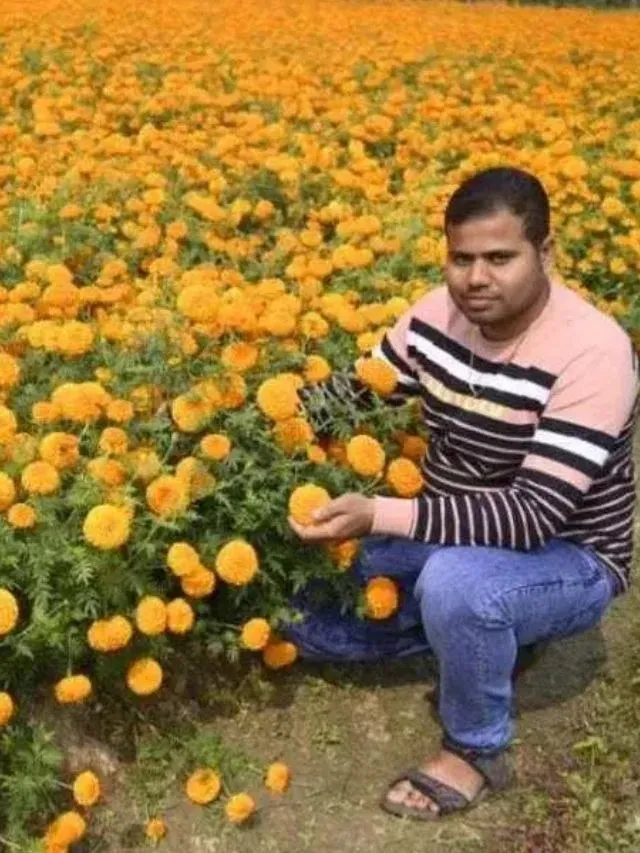
Arup Kumar Ghosh didn't finish college. Instead, he spent years watching flower traders work the markets of Kolaghat, West Bengal—learning which blooms sold, how they were handled, what buyers actually wanted. Two decades later, his marigold farm generates lakhs every month, turning what could have been a detour into a blueprint for small-scale agricultural success.
His story matters because it's not about luck or a viral moment. It's about someone taking a commodity crop—marigolds, common and unglamorous—and building a real, sustainable income from it. And the techniques he's refined work at any scale, from a backyard plot to a commercial operation.
The Fundamentals: Where Location Becomes Profit
Ghosh's first lesson is almost embarrassingly simple: location. Marigolds demand full sun and soil that drains well. Waterlogging kills them. This isn't theory—it's the difference between flowers that command premium prices at market and a field of rot.
We're a new kind of news feed.
Regular news is designed to drain you. We're a non-profit built to restore you. Every story we publish is scored for impact, progress, and hope.
Start Your News DetoxSoil prep matters just as much. Mix in compost or cow dung before planting. Organic fertilisers feed the roots gradually, which means stronger plants and the vibrant, long-lasting blooms that buyers will pay more for. Ghosh uses hardy varieties like 'Tennis Ball' marigold because they're forgiving and productive—the kind of choice that compounds over a season.
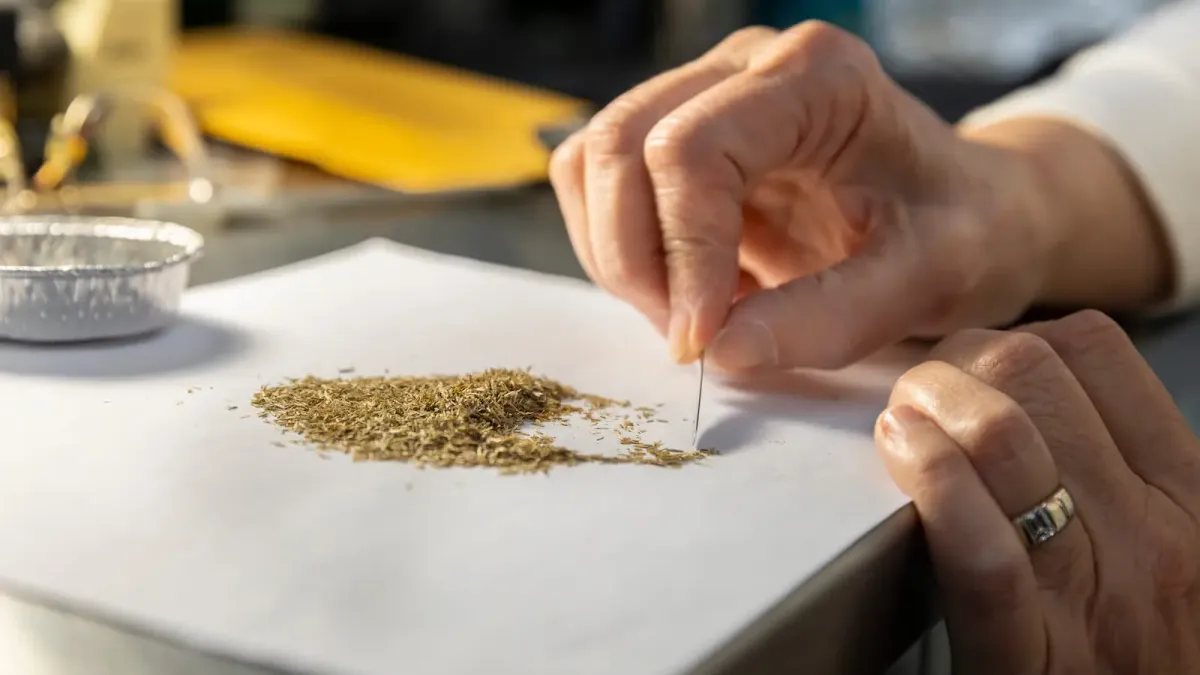
The seed itself is worth getting right. Good seeds mean healthier seedlings, bigger blooms, and higher yields. It's one of the few places where spending slightly more upfront actually saves money later.
From Seed to Field
Start seeds in trays or small pots in warm, moist soil with bright light. Water gently—the goal is germination, not drowning. Once seedlings have four to six leaves, transplant them to the field spaced six to eight inches apart. That spacing looks generous until you realize it's doing three jobs at once: it lets air circulate (preventing disease), gives roots room to grow, and ensures uniform flowering across your plot.
Water regularly but keep the soil from becoming soggy. Six to eight hours of direct sun daily is the minimum. These aren't optional—they're the conditions that separate a struggling plot from one that flowers reliably.
The Pest Problem Without Chemicals
Here's where Ghosh's approach diverges from conventional farming. He uses neem oil for pests and natural fertilisers like bone dust and cow dung. It's not just ideology—organic care actually improves bloom quality and builds soil fertility for the next season. It also means premium prices for organic flowers, which are increasingly in demand.
The catch is vigilance. Check plants regularly. Catch pest problems early, when a neem oil spray stops them before they spread. This is the difference between a managed crop and a crisis.
The Harvest Window
Pick flowers at full bloom but before petals wilt. Frequent harvesting triggers more blooms and extends the flowering season—which means a longer revenue window. Sell fresh flowers quickly to capture premium prices, or let mature flowers go to seed, dry and store them for next season's planting.
What Ghosh's experience reveals is that small, consistent improvements compound. Better soil preparation this season means healthier plants next season. Careful spacing reduces disease, which means fewer inputs and more flowers. Organic pest management builds soil life, which improves drainage and nutrient availability. None of these is revolutionary alone. Together, over years, they transform a modest plot into a consistently profitable operation.
The trajectory from market stall observer to farm manager took patience and attention. But the techniques he's developed work at any scale—and they're available to anyone willing to learn them.